
Real cases
Some of the game's cases were born from crimes, frauds and mysteries that really happened. Here is a factual summary of each one, with sources, and the game case it inspired.
Rudy Kurniawan's wine forgeries
United States, 2004 to 2014
Rudy Kurniawan became a well-known figure in the American rare wine market by selling and auctioning bottles from legendary Burgundy and Bordeaux vintages. In 2008, producer Laurent Ponsot noticed that lots of Clos Saint-Denis offered at auction bore vintages the domaine had never made, and he began to investigate.
The disappearance of the Flannan Isles lighthouse keepers
Scotland, December 1900
On 15 December 1900, a ship passing the Flannan Isles, in the Outer Hebrides, noticed that the light on Eilean Mòr was out. When the relief boat arrived days later, the three keepers had vanished. The lamp was clean and ready, meals had been put away, and an oilskin coat was still on its hook.
Waymo v. Uber and the Anthony Levandowski case
United States, 2016 to 2021
Anthony Levandowski was one of the engineers who built Google's self-driving car project, later called Waymo. Before leaving the company in 2016, he copied about 14,000 internal files. He founded a self-driving truck startup that Uber bought months later, and went on to lead the rival's autonomous vehicle program.
The horse insurance frauds and the disappearance of Helen Brach
United States, 1977 to 1996
From the 1980s to the early 1990s, owners of show jumping horses in the United States hired a man to kill insured animals and fake accidents or illnesses so they could collect the insurance. A 1992 Sports Illustrated article and a federal investigation in Chicago exposed the scheme, which led to dozens of convictions.
The kidnapping of the racehorse Shergar
Ireland, February 1983
Shergar won the 1981 Epsom Derby by ten lengths, one of the widest margins in the race's history, and was retired to stud at the Ballymany Stud in County Kildare. On the night of 8 February 1983, armed and masked men entered the farm, held the groom and his family at gunpoint and left with the horse in a trailer.

The Cidade do Samba fire
Rio de Janeiro, Brazil, February 2011
In the early hours of 7 February 2011, less than a month before Carnival, a fire destroyed three workshops at the Cidade do Samba in Rio de Janeiro, belonging to the Grande Rio, Portela and União da Ilha samba schools. Floats, costumes and a year of work were lost within a few hours.
The death of Rodney Marks at the South Pole station
Antarctica, May 2000
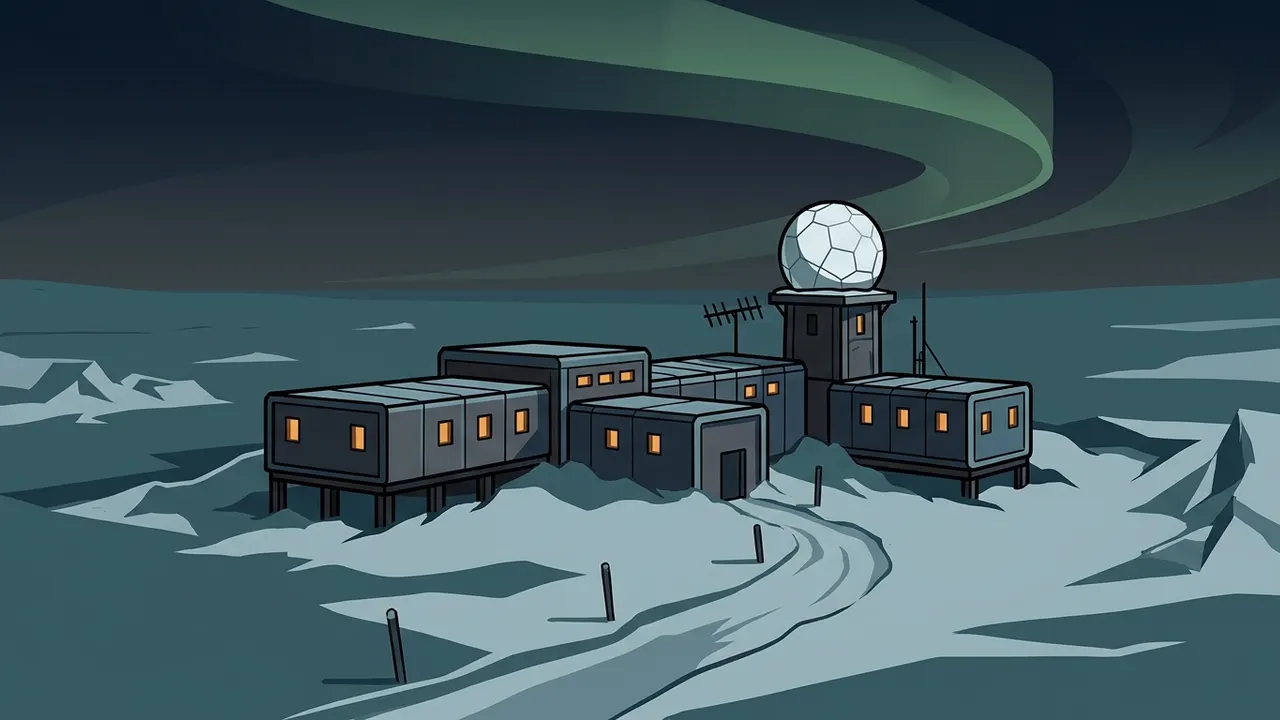
Rodney Marks, a 32-year-old Australian astrophysicist, died on 12 May 2000 at the Amundsen-Scott station at the South Pole, in the middle of the Antarctic winter. With the base cut off for months and no flights possible, his body could only be flown out in the spring. The autopsy, in New Zealand, found methanol poisoning.
The oleander poisoning in the Angelina Rodriguez case
California, United States, 2000
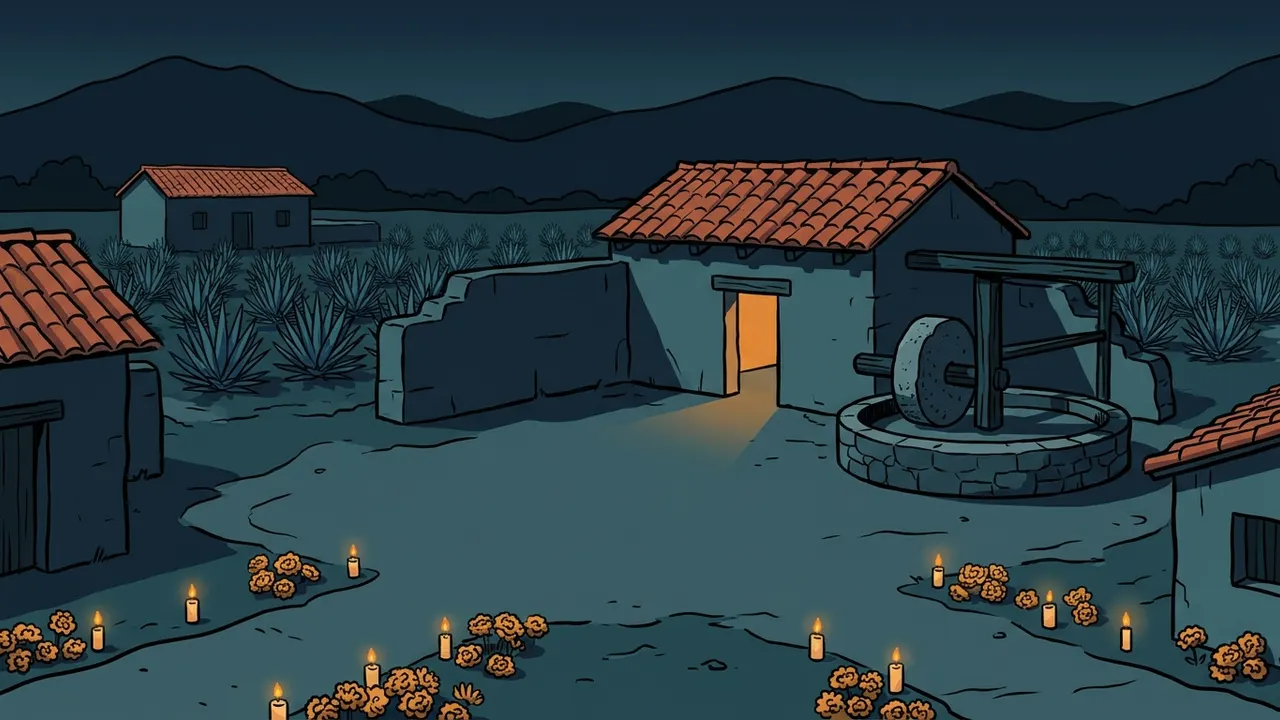
In September 2000, in Montebello, California, Frank Rodriguez died after days of illness that doctors treated as an infection. His wife, Angelina, had taken out a life insurance policy shortly before. Investigators found antifreeze and oleandrin, the toxin in oleander, a shrub common in gardens across the region, in his body.
The murder of reporter Don Bolles
Phoenix, United States, 1976
Don Bolles was an investigative reporter for the Arizona Republic who covered land fraud and organized crime. On 2 June 1976, a bomb exploded under his car in the parking lot of a Phoenix hotel, where he had gone to meet a source who never showed up. He died eleven days later.
The attack on the director of the Bolshoi Ballet
Moscow, Russia, January 2013
On the night of 17 January 2013, Sergei Filin, artistic director of the Bolshoi Ballet, was attacked with acid outside his home in Moscow by a man who called him by name. He lost much of his sight and underwent more than twenty surgeries.

The killing of Cecil the lion and the murder of Joan Root
Zimbabwe, 2015, and Kenya, 2006
In July 2015, Cecil, a 13-year-old lion tracked for years by researchers from the University of Oxford, was lured out of Hwange National Park in Zimbabwe and killed with a bow and arrow by an American dentist on a paid hunt. His death caused worldwide outrage and debate over trophy hunting; the hunter was not prosecuted.
The attempt to sell Coca-Cola secrets to Pepsi
Atlanta, United States, 2006
In 2006, an executive assistant at Coca-Cola in Atlanta took confidential documents and a sample of an unreleased product out of the company, and two accomplices offered the material to Pepsi for 1.5 million dollars. Pepsi alerted its rival, and the FBI set up a sting with an agent posing as a buyer.

K-pop contract disputes: Fifty Fifty and TVXQ
South Korea, 2009 and 2023
In 2023, a few months after a worldwide hit, the members of the group Fifty Fifty asked a court to annul their contract with the agency Attrakt. The agency accused an outside producer of poaching the group to pull them away. The court rejected the singers' request; three left the group and one stayed.
The Credit Suisse banker who drained clients' fortunes
Geneva, Switzerland, 2008 to 2018
For almost a decade, a Credit Suisse relationship manager in Geneva, in charge of Eastern European clients, forged signatures and moved money between his own clients' accounts to cover losses and personal investments. The shortfall exceeded 150 million dollars and affected, among others, a former prime minister of Georgia.

The poisoning doctor of Paris and digitalin
Paris, France, 1863
In 1863, the physician Edmond de la Pommerais had his mistress, a widow, sign life insurance policies in his favor, and weeks later she died of a sudden illness. Her family grew suspicious. The toxicologist Ambroise Tardieu, unable to detect the poison through chemical analysis, applied extracts from the victim's stomach to laboratory animals and observed the effects on their hearts.

The MacNeill and Grant cases: sleeping pills and drowning in the bathtub
United States, 2001 and 2007
In 2007, in Utah, Michele MacNeill was found dead in the bathtub at home days after cosmetic surgery. Her husband, a doctor, had pushed for the surgery and for the post-operative medication. The death was treated as an accident until her daughters pressed for an investigation; he was convicted of murder in 2013.
The deaths at sea of Robert Maxwell and Natalie Wood
Canary Islands, 1991, and California, 1981
In November 1991, press baron Robert Maxwell disappeared overnight from his own yacht off the Canary Islands; his body was found in the sea hours later. The Spanish autopsy concluded that the death was accidental. Weeks later it emerged that he had diverted hundreds of millions of pounds from his companies' pension funds.
The librarians who stole from their own collections
Sweden and United States, 1986 to 2005
Between 1986 and 2004, the head of the manuscripts department at the National Library of Sweden removed dozens of rare books from the collection he was supposed to protect and sold them through auction houses in Germany. He confessed in 2004, when the library discovered the losses.

The sabotage of the Case Basse cellar in Montalcino
Tuscany, Italy, December 2012
In the early hours of 2 December 2012, someone entered the cellar of Gianfranco Soldera's Case Basse winery in Montalcino and opened the taps on the vats. More than 60,000 liters of Brunello from six vintages, 2007 to 2012, poured onto the floor. Nothing was stolen.
The theft of Pappy Van Winkle and Wild Turkey, "Pappygate"
Kentucky, United States, 2008 to 2018
In 2013, the Buffalo Trace distillery in Kentucky reported dozens of cases of Pappy Van Winkle missing, one of the most sought-after bourbons in the world. The investigation revealed that an employee of the distillery itself, with help from coworkers and an employee of another company, had been diverting bottles and entire barrels for years and selling them to collectors.
The death of Halyna Hutchins on the set of "Rust"
New Mexico, United States, October 2021
On 21 October 2021, during a rehearsal for a scene in the western "Rust", a revolver that was supposed to hold only blanks fired a live round. Cinematographer Halyna Hutchins, 42, was killed; the film's director was wounded. She left behind a husband and a young son.
The theft of Bronisław Huberman's Stradivarius
New York, United States, 1936
On 28 February 1936, while violinist Bronisław Huberman was playing at Carnegie Hall on another instrument, his 1713 Stradivarius was taken from his dressing room. The insurance paid out, the violin vanished and the case went unsolved for almost half a century.
The Count of Bocarmé and the first nicotine murder
Belgium, 1850
In November 1850, Gustave Fougnies died at the Château de Bitremont, in Belgium, during a dinner at the home of his sister and his brother-in-law, Count Hippolyte de Bocarmé. The count, deep in debt, stood to lose the family inheritance if his brother-in-law married, which was about to happen. The death was presented as a sudden illness.
The theft of Sisi's Star from Schönbrunn Palace
Vienna, Austria, 1998
In June 1998, one of the diamond and pearl stars that Empress Elisabeth of Austria, known as Sisi, wore in her hair disappeared from a display case at Schönbrunn Palace in Vienna, with no broken glass and no alarm set off. A replica was left in place of the jewel, and the loss was only noticed later.

The oxygen cylinders stolen on Everest
Nepal, 2017
During the 2017 season, Everest expeditions reported that oxygen cylinders left at the high camps, especially Camp 4, at about 8,000 meters, had been stolen or emptied. For anyone climbing into the so-called death zone, oxygen stashed in advance is part of the survival plan, and finding it gone on the way down can be fatal.
Hardy Rodenstock's "Jefferson" bottles
Germany and United States, 1985 to 2010
In 1985, German collector Hardy Rodenstock announced that he had found bottles of 1787 Bordeaux in Paris engraved with the initials "Th.J.", said to have belonged to Thomas Jefferson. One of them sold at Christie's for 105,000 pounds, a record at the time. Others were sold to collectors, among them American billionaire Bill Koch.
The jewels stolen from inside the Hermitage Museum
Saint Petersburg, Russia, 2006
In 2006, an inventory at the Hermitage Museum in Saint Petersburg found 221 items missing: jewelry, enamels, icons and imperial objects from the eighteenth and nineteenth centuries. There had been no break-in. The pieces had left little by little, over the years, from the department a curator was responsible for.

The doped dogs of the 2017 Iditarod
Alaska, United States, 2017
The Iditarod is a sled dog race of nearly a thousand miles across Alaska. In 2017, four dogs on the team of Dallas Seavey, a four-time champion and that year's runner-up, tested positive at the finish for tramadol, a painkiller.
The British TV phone-in voting scandal
United Kingdom, 2007
In 2007, investigations showed that several British television programs had deceived the public in phone-in votes and competitions: paid calls were accepted after voting had closed, winners were chosen by the production team and, in some cases, contestants favored by producers were kept on air against the real result.
The death of Michael Jackson
Los Angeles, United States, June 2009
Michael Jackson died on 25 June 2009 at his home in Los Angeles, weeks before a series of 50 concerts in London meant to mark his return to the stage. The autopsy found acute propofol intoxication, a hospital anesthetic, combined with sedatives such as lorazepam and midazolam, which his personal physician gave him to help him sleep.
The Piper Alpha and Deepwater Horizon disasters
North Sea, 1988, and Gulf of Mexico, 2010
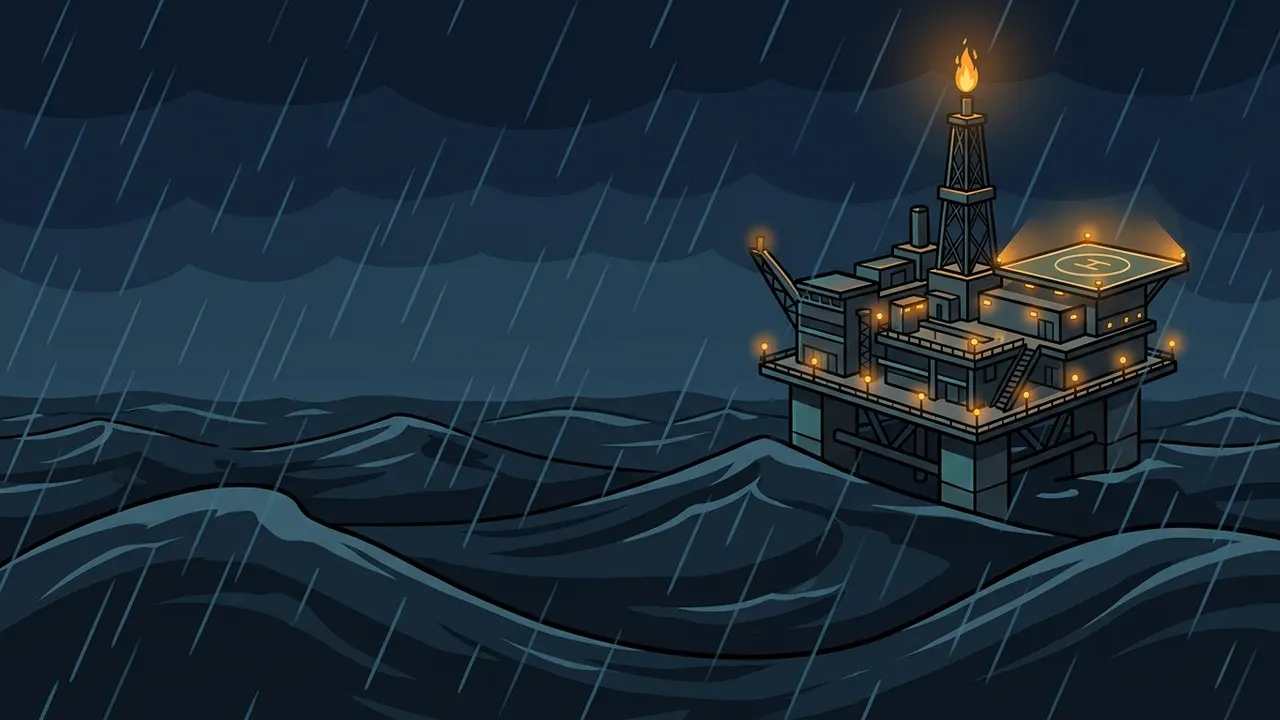
On 6 July 1988, the Piper Alpha platform in the Scottish North Sea exploded, killing 167 people. A safety valve on a condensate pump had been removed for maintenance; the shift handover failed to properly record the outstanding work, the pump was switched back on and gas leaked. It was the worst accident in the history of offshore oil production.

The Mottarone cable car crash
Stresa, Italy, May 2021
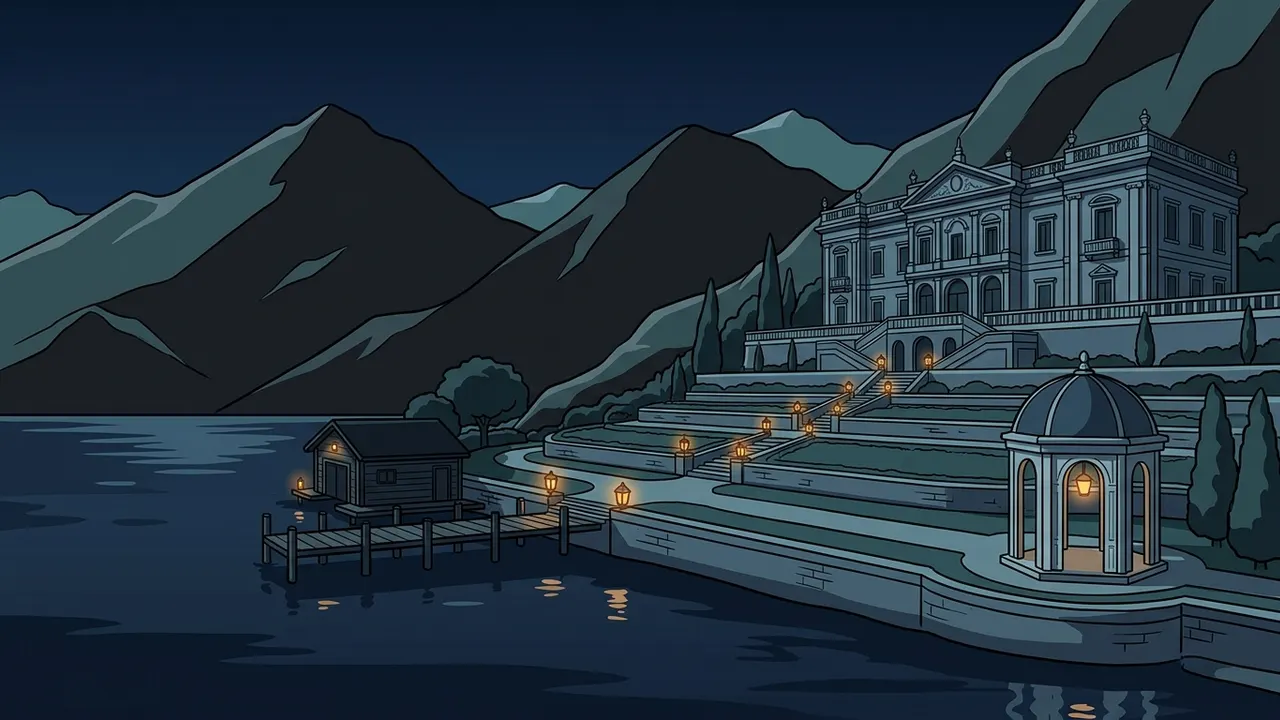
On 23 May 2021, a cabin of the cable car linking Stresa, on Lake Maggiore, to Mount Mottarone plunged to the ground near the top station after the haul rope snapped. Fourteen people died; one child survived.
Forbes Smiley and the maps stolen from libraries
United States and United Kingdom, 2005
Forbes Smiley was a respected dealer in antique maps, consulted by libraries and collectors. In June 2005, a staff member at Yale's Beinecke Library found a utility knife blade on the floor and, on checking the atlases Smiley had consulted, saw that pages were missing.
The research vials taken from a Boston hospital
Boston, United States, December 2019
In December 2019, a visiting researcher at a laboratory of Beth Israel Deaconess hospital in Boston was stopped at Logan Airport with 21 vials of biological material hidden in a sock inside his luggage. The material came from the laboratory's own line of cancer research.
Archibald Hall, the butler who killed his employers
United Kingdom, 1977 and 1978
Archibald Hall spent decades working as a butler in the homes of the British aristocracy, with forged references and a past of thefts and prison terms. In 1977 and 1978 he killed five people, among them a former member of Parliament and his wife, who employed him, and an accomplice who threatened to expose him, while stealing silver, jewelry and antiques from the houses where he served.

Shinichi Fujimura's archaeological fraud
Japan, 2000
For two decades, amateur archaeologist Shinichi Fujimura was celebrated in Japan for discovering ever older stone tools, which pushed back the human presence on the archipelago by hundreds of thousands of years. He was called "God's hands".
The thefts of the Jules Rimet Trophy
London, 1966, and Rio de Janeiro, 1983
In March 1966, four months before the World Cup in England, the Jules Rimet Trophy was stolen from a stamp exhibition at Methodist Central Hall in London, during visiting hours and without a violent break-in. A ransom demand arrived; the trophy was found a week later by a dog named Pickles, wrapped in newspaper under a hedge.

Fake Darjeeling
India and Nepal, 2010s onward
The 87 tea gardens of Darjeeling, on the slopes of the Indian Himalayas, produce about 7 million kilos a year. The volume sold worldwide under the Darjeeling name is estimated to be several times larger. The difference comes from tea grown across the border in Nepal, cheaper and similar, blended into the lots or sold as if it came from the region.
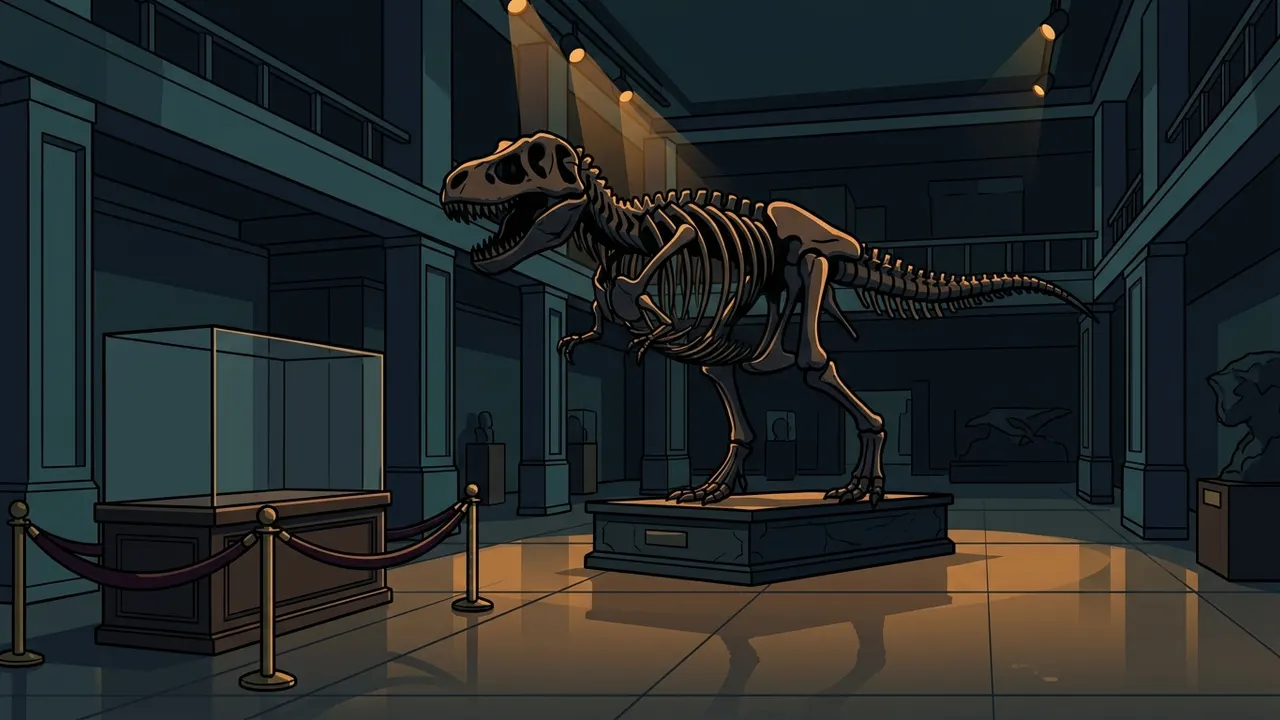
The dinosaur smuggled out of Mongolia
New York, United States, 2012
In May 2012, a nearly complete skeleton of Tarbosaurus bataar, an Asian relative of Tyrannosaurus, was auctioned in New York for more than a million dollars. The government of Mongolia protested: the species is found only in the Gobi Desert, and the country's law prohibits the export of fossils.
The wedding photos of Michael Douglas and Catherine Zeta-Jones
New York and London, 2000 to 2007
In November 2000, Michael Douglas and Catherine Zeta-Jones married at the Plaza Hotel in New York and sold exclusive rights to the photos to OK! magazine for one million pounds. A photographer slipped into the reception without permission, and the rival magazine Hello! published the images first.
The 185 tortoises in a suitcase in the Galápagos
Ecuador, March 2021
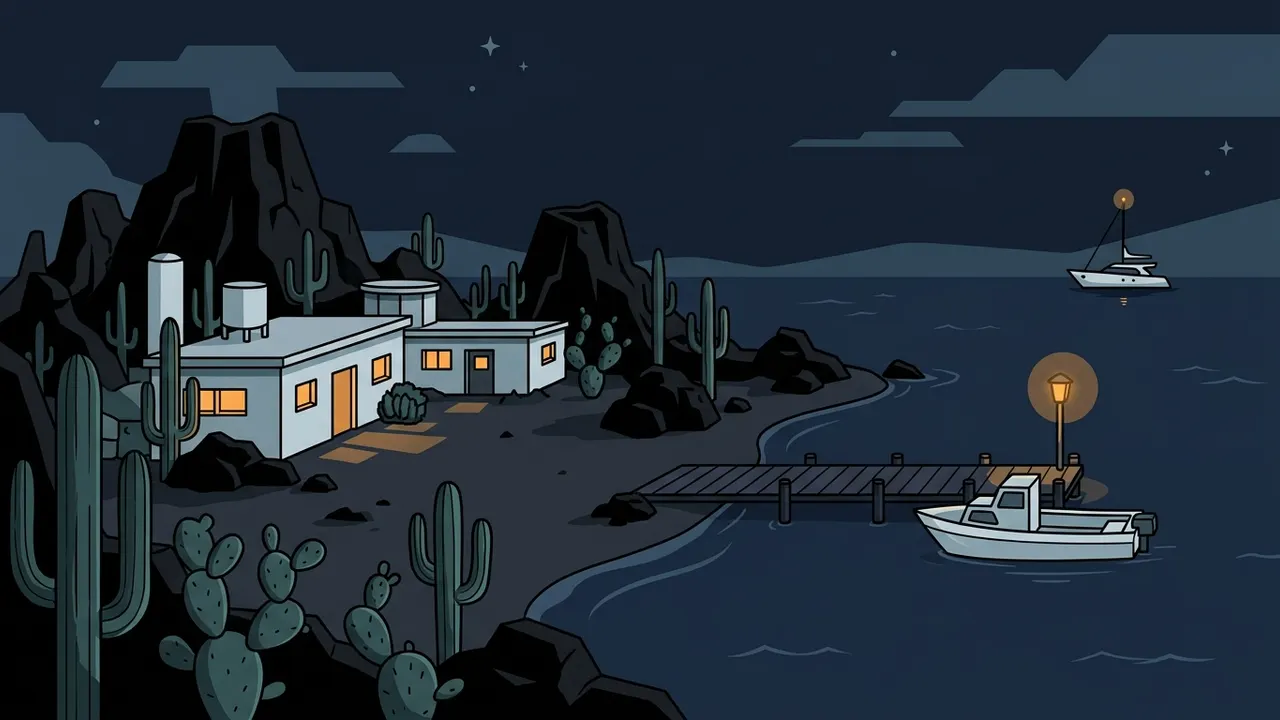
In March 2021, an inspection at Baltra airport, in the Galápagos Islands, found 185 baby giant tortoises wrapped in plastic inside a suitcase bound for the mainland. Ten were already dead. A police officer who worked at the airport was detained on suspicion of involvement.
George Joseph Smith and the "Brides in the Bath"
England, 1912 to 1915
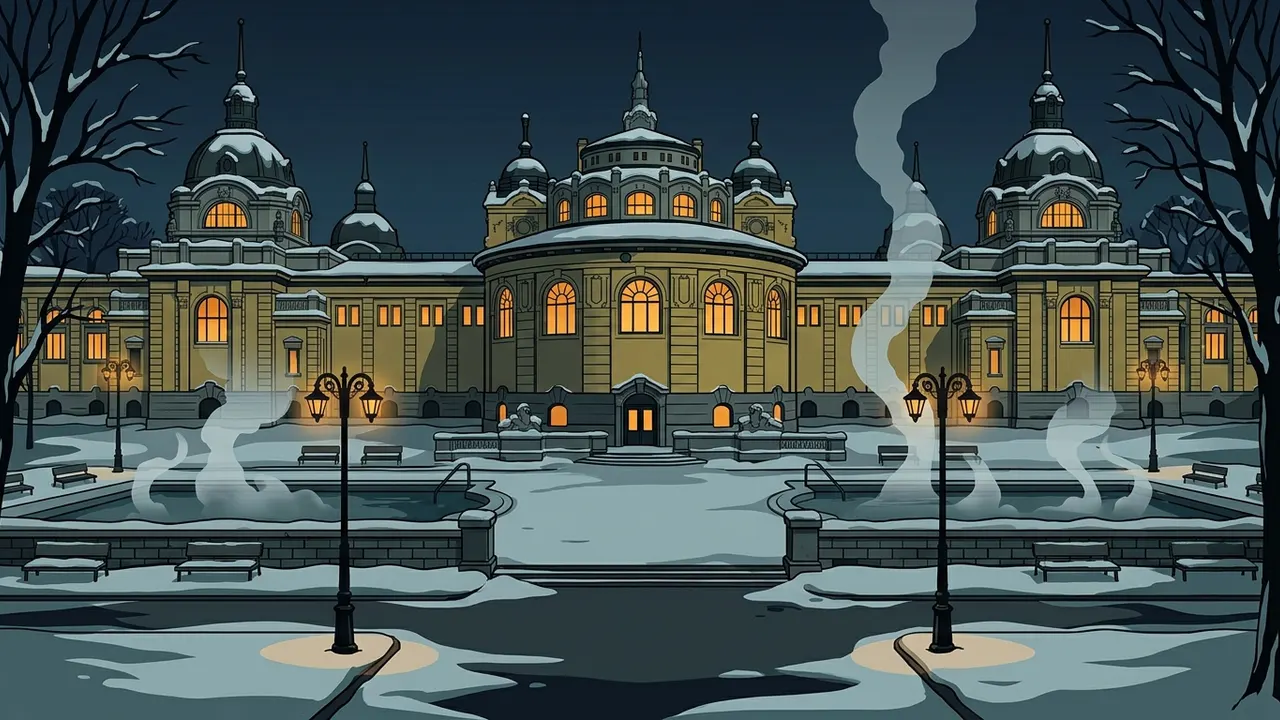
Between 1912 and 1914, three newly married women drowned in the bathtub in lodging houses in different English towns, each a few days after making a will or taking out insurance in her husband's favor. There were three different names, but the same man: George Joseph Smith. The deaths were recorded as sudden illness.

The attack on Nancy Kerrigan
Detroit, United States, January 1994
On 6 January 1994, after a practice session for the U.S. Figure Skating Championships, Nancy Kerrigan was struck on the knee with a baton by a man who then fled. She was unable to compete; her rival Tonya Harding won the championship, and both went to the Lillehammer Olympics weeks later.

The director who looted the Girolamini Library
Naples, Italy, 2012
The Girolamini Library in Naples is one of the oldest in Italy, with manuscripts and incunabula from the fifteenth to the eighteenth centuries. In 2012, researchers noticed empty shelves and books missing from the catalog turning up at auctions. The library's director, appointed the year before, was removing volumes at night with helpers and selling them to dealers.

The killings of Dom Phillips and Bruno Pereira
Javari Valley, Amazonas, Brazil, June 2022
On 5 June 2022, British journalist Dom Phillips and Brazilian Indigenous affairs expert Bruno Pereira disappeared on the Itaquaí River, in the Javari Valley in Amazonas state, while documenting illegal fishing on Indigenous lands. Their bodies were found ten days later. A local fisherman confessed and two others were charged; the trial is examining who ordered the killings and who carried them out.
The "Japanese Beethoven" who did not compose
Japan, February 2014
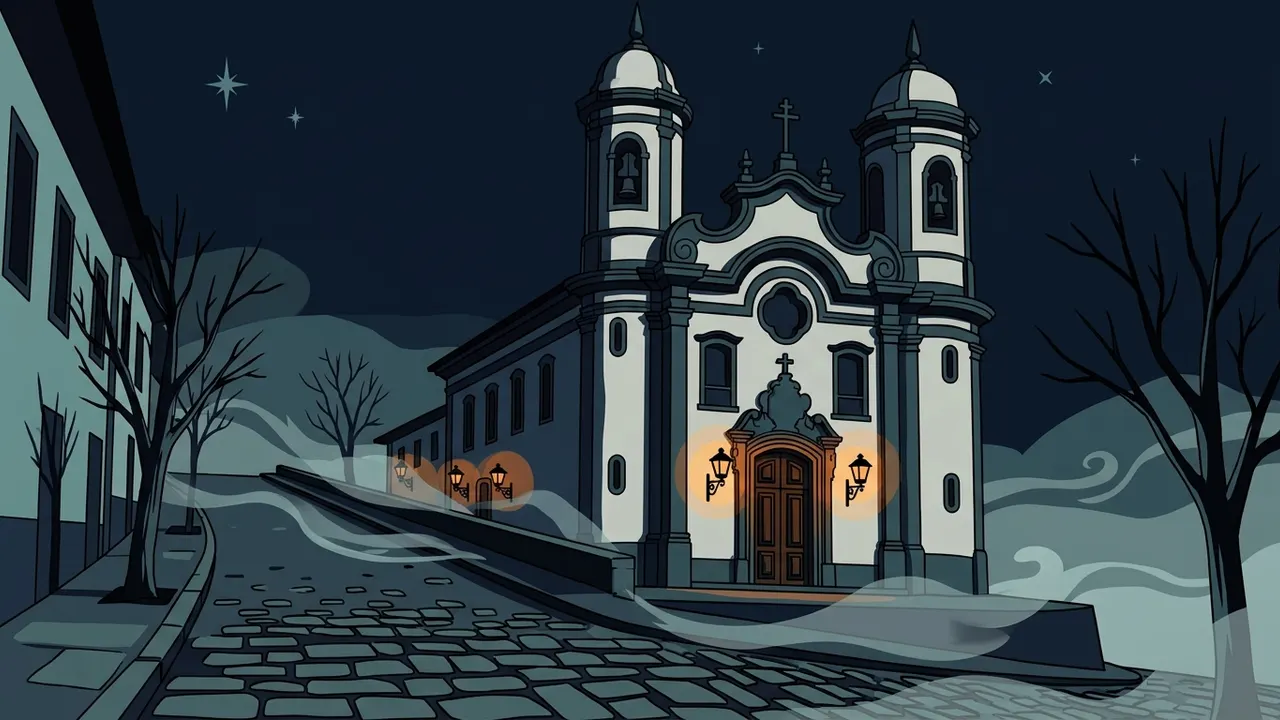
Mamoru Samuragochi was celebrated in Japan as a deaf composer, author of a symphony dedicated to Hiroshima and of video game scores. In February 2014, music teacher Takashi Niigaki revealed that he had composed Samuragochi's works for eighteen years, based on instructions and sketches, and that the composer could hear better than he claimed.
The glove in the O. J. Simpson case and DNA reviews
Los Angeles, United States, 1995
At the 1995 trial of O. J. Simpson for the deaths of Nicole Brown Simpson and Ronald Goldman, a bloody leather glove found on his property by detective Mark Fuhrman became the center of the case. The defense argued that the evidence might have been planted and, in a famous scene, the glove did not fit the defendant's hand. Simpson was acquitted. Fuhrman was later convicted of perjury for having denied at trial that he had used racist slurs.
The Antwerp Diamond Centre heist
Antwerp, Belgium, 2003
Over the weekend of 15 and 16 February 2003, thieves entered the vault of the Antwerp Diamond Centre, two floors below ground level, and broke open 109 of its 189 safe-deposit boxes. They took loose diamonds, gold, jewelry, cash and bonds worth more than 100 million dollars. The vault door had been opened with the key and the combination, with no forced entry.
The theft of the Mona Lisa from the Louvre
Paris, France, 1911
On the morning of Monday, August 21, 1911, the day the Louvre was closed to the public, the Italian glazier Vincenzo Peruggia walked into the museum wearing the white smock used by the staff. He had worked there installing the glass cases that protected the artworks. He took the Mona Lisa off the wall of the Salon Carré, left the frame and the glass on a service stairway, and walked out through a door that a plumber, thinking he belonged there, opened for him.
The poisoning of Alexander Litvinenko
London, 2006
Alexander Litvinenko, a former officer of the Russian security service (FSB) living in exile in London and a critic of the Kremlin, drank green tea from a pot at the Pine Bar of the Millennium Hotel, in Grosvenor Square, on November 1, 2006, at a meeting with the former agents Andrei Lugovoi and Dmitry Kovtun. He fell ill that night, was admitted to hospital and died on November 23 at University College Hospital. Only shortly before his death did the doctors identify the poison: polonium-210, an extremely rare radioactive isotope.
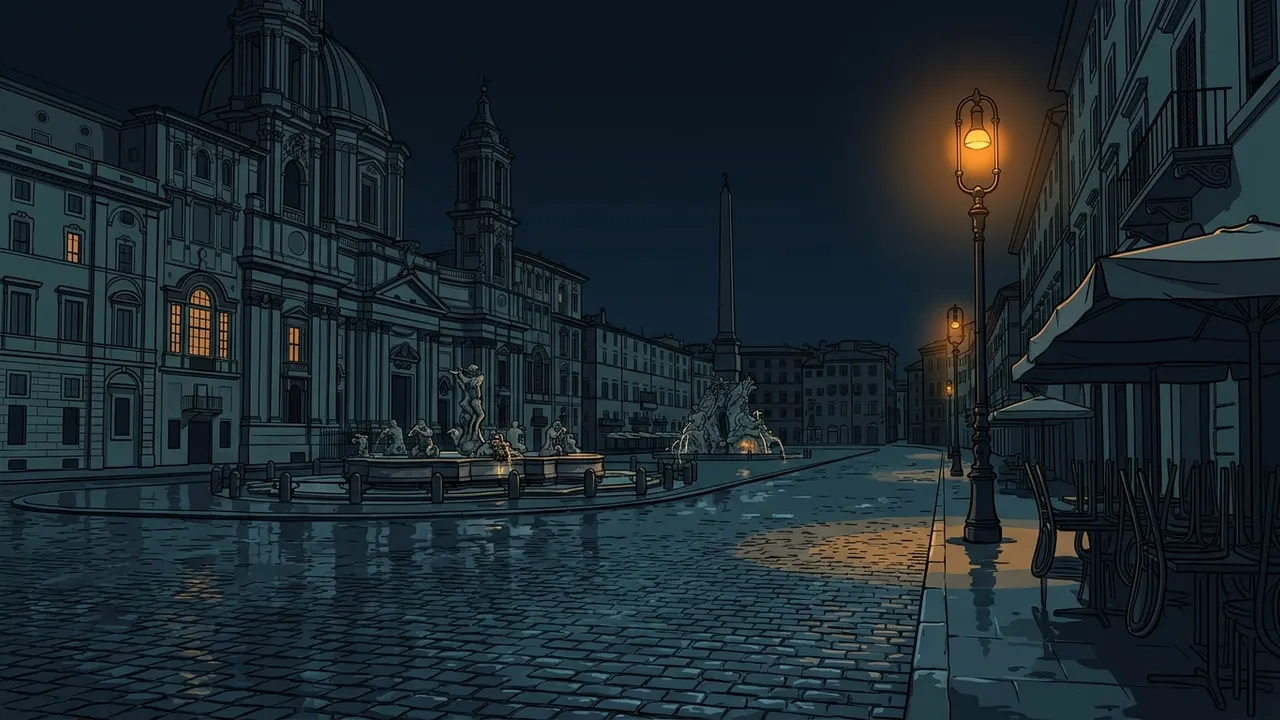
The kidnapping of J. Paul Getty's grandson
Rome, 1973
In the early hours of July 10, 1973, John Paul Getty III, 16, grandson of the oil tycoon J. Paul Getty, was seized in the Piazza Farnese in Rome. The kidnappers demanded 17 million dollars. The grandfather refused to pay: the family suspected the boy had staged it himself to get money out of him, and the billionaire said that paying would expose his other grandchildren to the same risk.
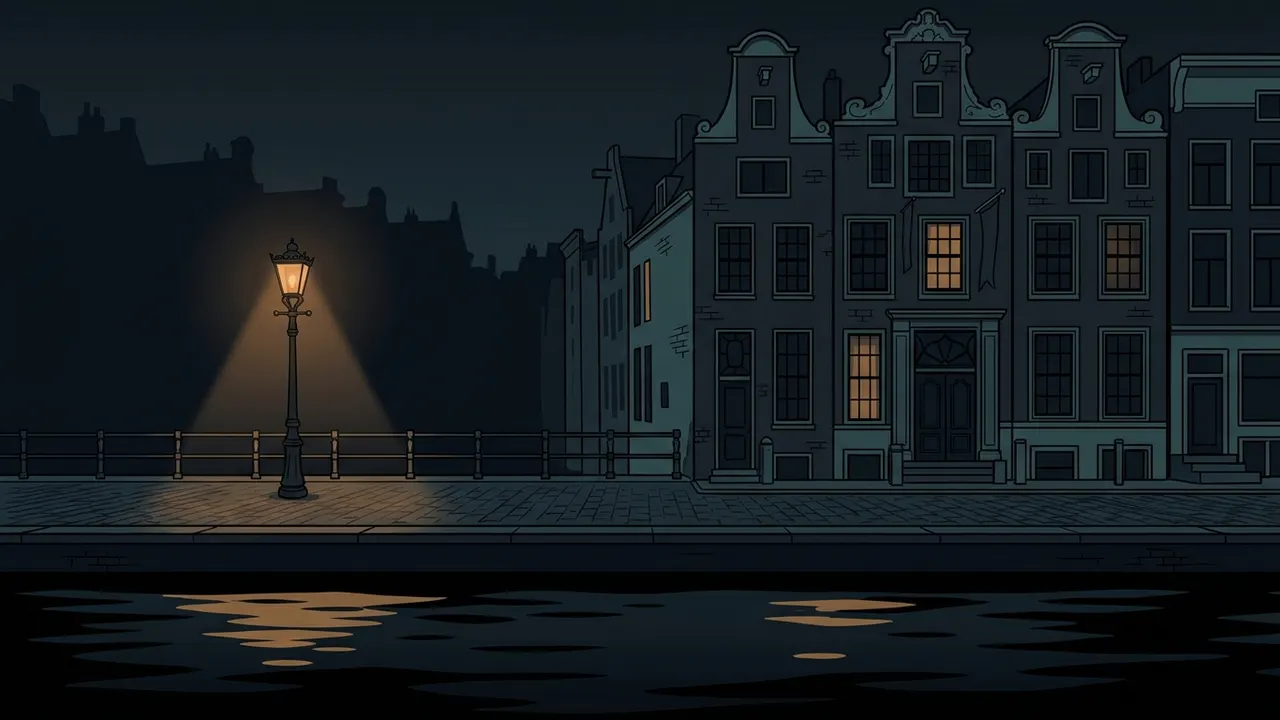
The painter who fooled Holland with fake Vermeers
Netherlands, 1937 to 1947
Han van Meegeren was a Dutch painter with a modest career, scorned by the critics. In 1937 the expert Abraham Bredius presented "The Supper at Emmaus" as Vermeer's masterpiece; the Rembrandt Society paid 520,000 guilders for the painting and donated it to the Boijmans Museum in Rotterdam. It was a fake: Van Meegeren used genuine 17th-century canvases, mixed Bakelite into the paint, baked the picture at about 100 degrees to harden it and rolled a cylinder over it to create the cracks.
The La Fenice theatre fire
Venice, Italy, 1996
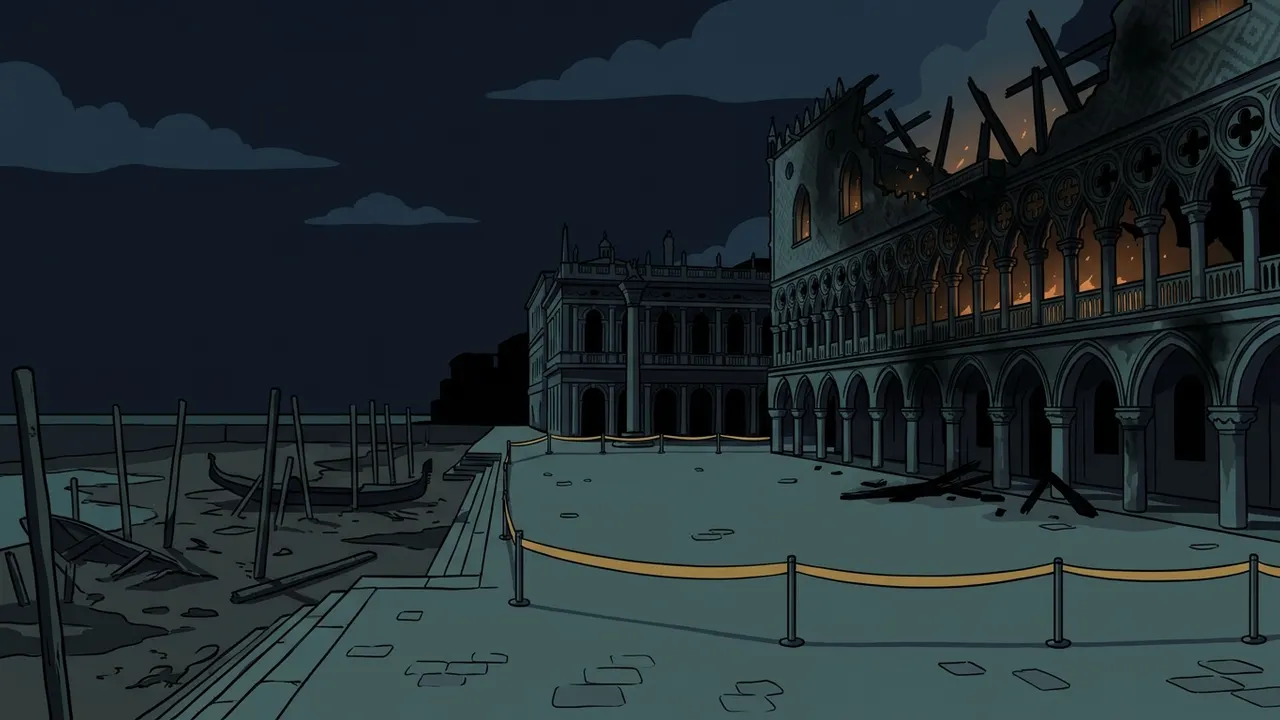
On the night of 29 January 1996, the Gran Teatro La Fenice, Venice's main opera house, was destroyed by fire. The theatre was closed for restoration work. The surrounding canals had been drained for cleaning and dredging, the fire boats could not get close, and water had to be pumped from farther away while a single helicopter made trips to the blaze. Only the outer walls of the auditorium survived.

The disappearance of the "Thai Silk King"
Cameron Highlands, Malaysia, March 1967
Jim Thompson, an American who had served in the US intelligence service (the OSS) in the Second World War, founded the Thai Silk Company in 1948 and helped take Thai silk to the world. On 24 March 1967 he arrived with two friends at the Moonlight bungalow in the Cameron Highlands for the Easter holiday.
The murder of Julia Wallace
Liverpool, England, 1931
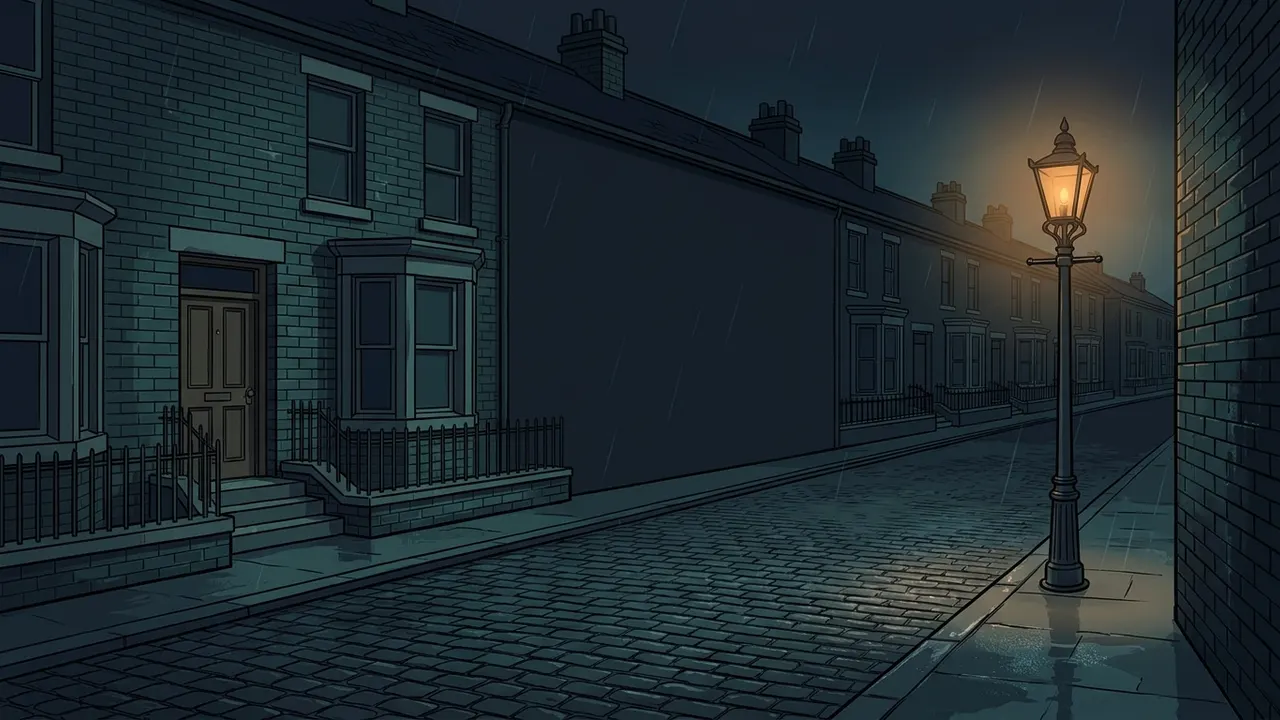
On the evening of 19 January 1931, a man telephoned the Liverpool Central Chess Club and left a message for William Wallace, a Prudential insurance agent: a certain R. M. Qualtrough wanted to see him the next day, at 7:30 pm, at 25 Menlove Gardens East, about a policy. On the evening of 20 January, Wallace searched for the address without success: there was Menlove Gardens North, South and West, but no East. Returning to his home at 29 Wolverton Street, in Anfield, he found his wife, Julia, beaten to death in the front room.
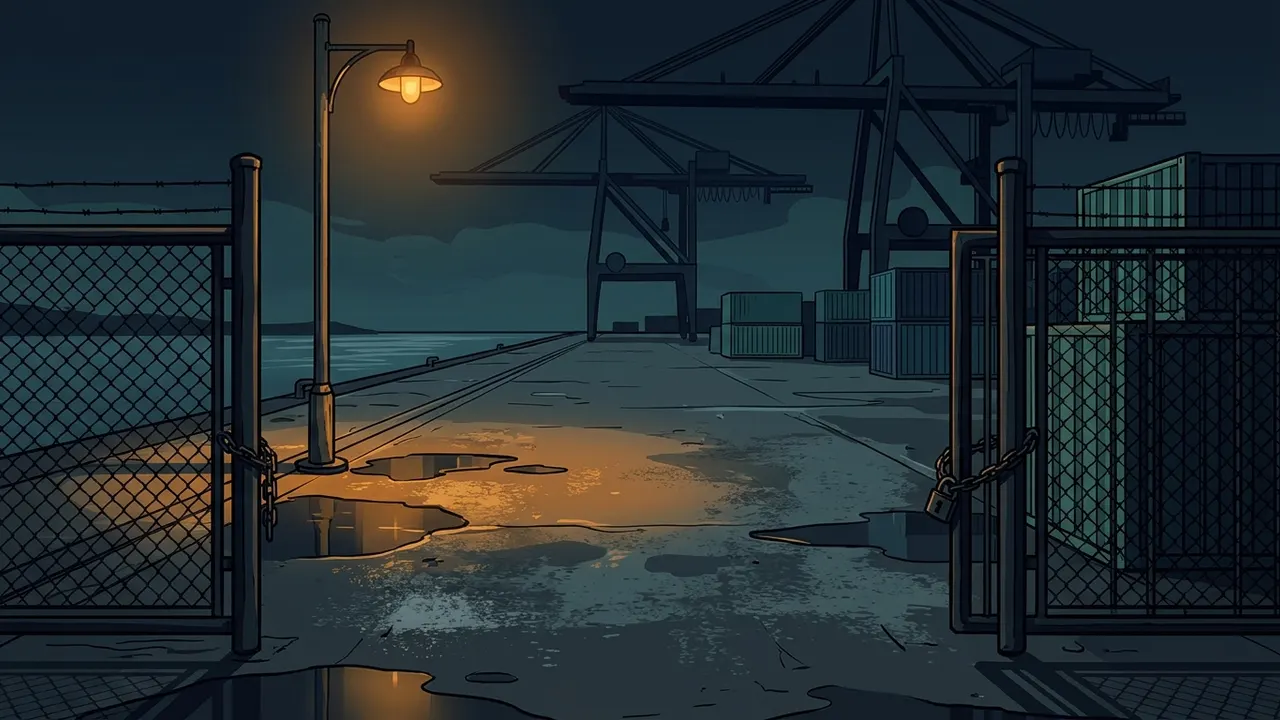
The sinking of the Rainbow Warrior
Auckland, New Zealand, 1985
On the night of 10 July 1985, the Rainbow Warrior, a Greenpeace ship moored in Auckland harbour, was hit by two mines attached to the hull by divers, the first at 11:38 pm and the second a few minutes later. The ship was preparing to protest against French nuclear tests at Mururoa atoll. The photographer Fernando Pereira, who had gone below to fetch his photographic equipment, drowned.
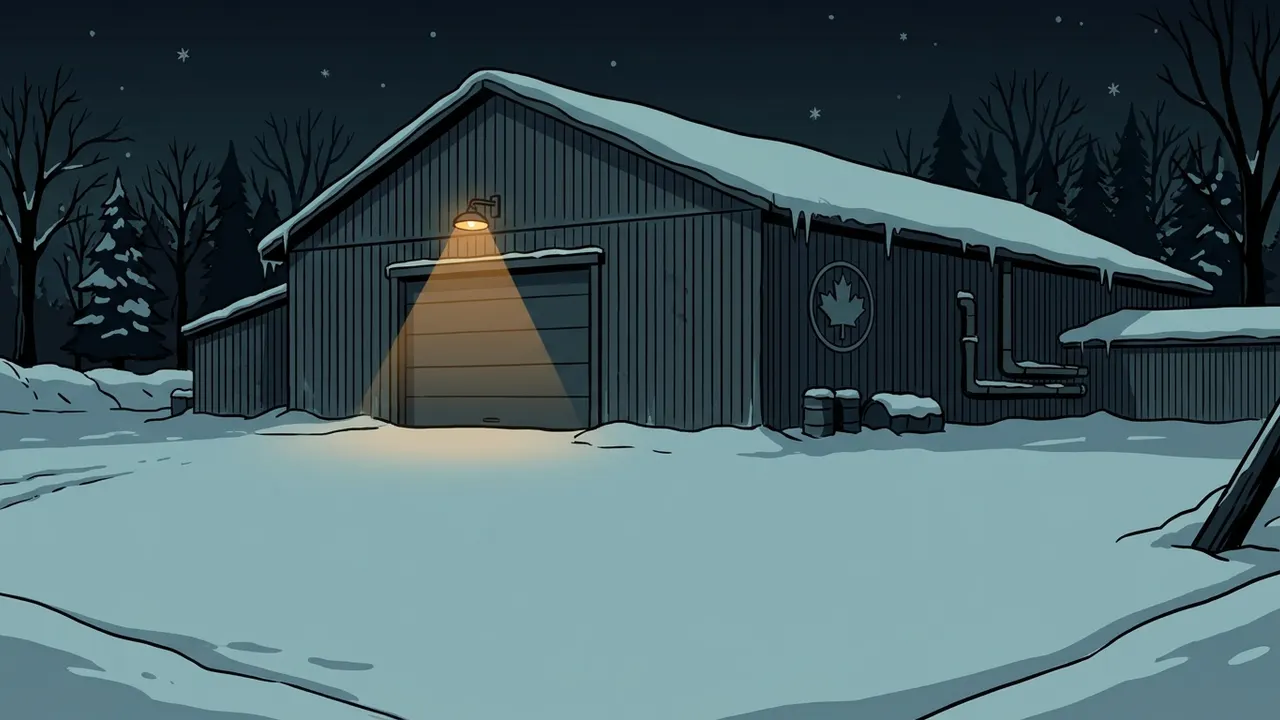
The great Quebec maple syrup heist
Quebec, Canada, 2011 and 2012
The Federation of Quebec Maple Syrup Producers keeps a strategic syrup reserve to balance prices between good and bad harvests. Part of that reserve was stored in a rented warehouse in Saint-Louis-de-Blandford, with no cameras and no alarm, and the barrels were checked only once a year. In July 2012, during the annual inventory, an inspector found that many barrels were empty or filled with water.
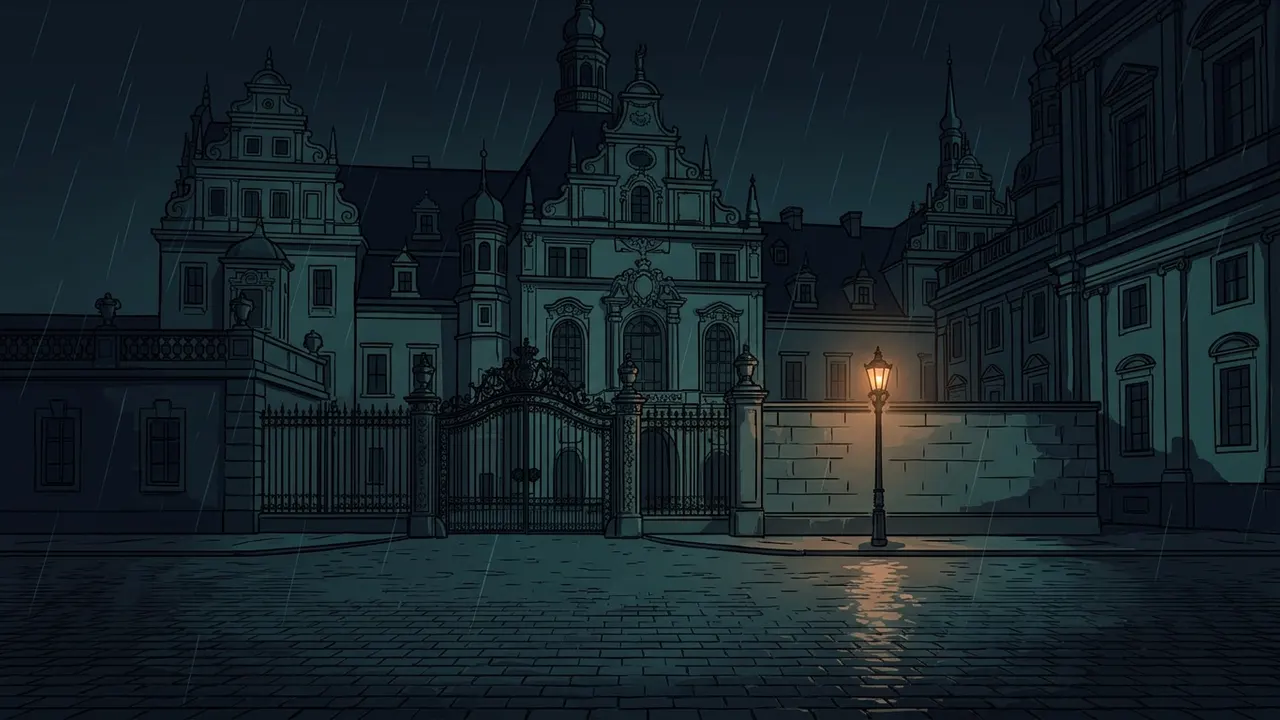
The Dresden Green Vault burglary
Dresden, Germany, 2019
In the early hours of 25 November 2019, shortly before 5 am, a fire in an electrical junction box near Augustus Bridge cut the street lighting in front of the Royal Palace in Dresden, home of the treasury museum known as the Green Vault. The thieves got in through a window whose grille had been partly sawn through and put back before the crime, smashed a display case and fled within minutes. The unarmed guards watched everything on the cameras and, as protocol demands, called the police without confronting anyone.
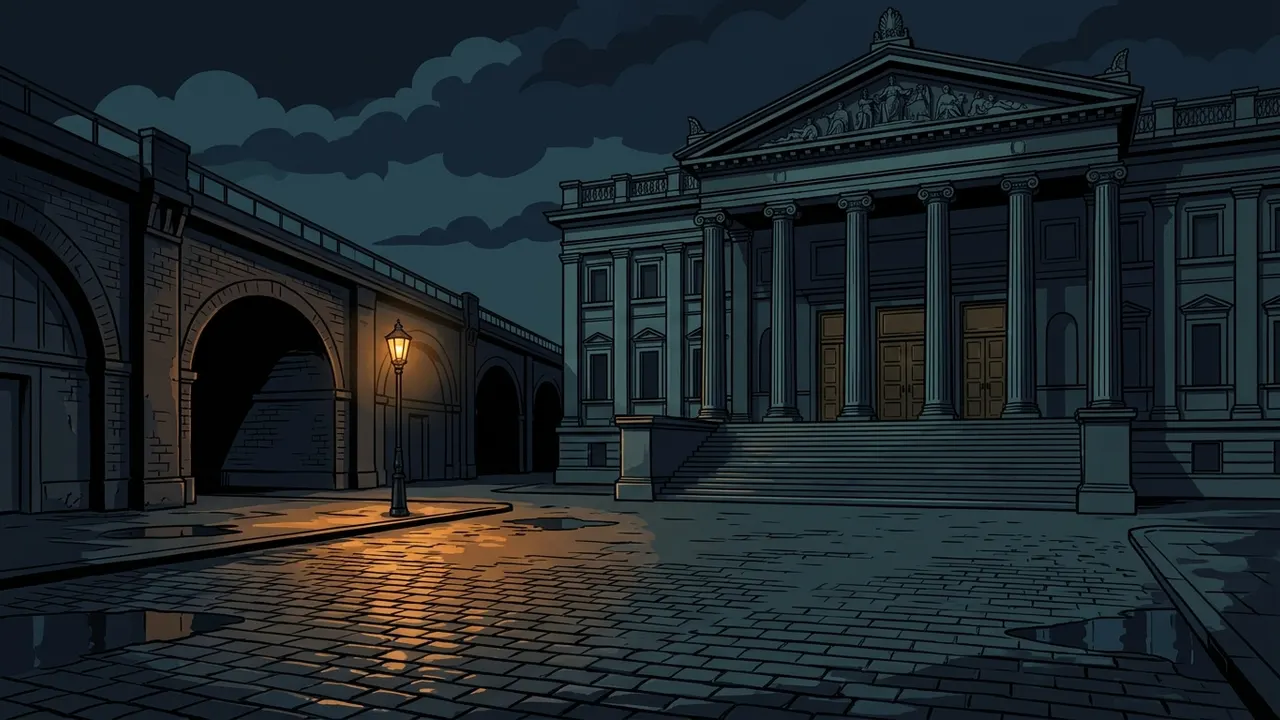
The theft of the giant gold coin from the Bode Museum
Berlin, Germany, 2017
In the early hours of March 27, 2017, between 3:20 and 3:45 am, thieves broke into the Bode Museum, on Berlin's Museum Island, and took from the coin cabinet the Big Maple Leaf, a Canadian coin of 100 kilos of pure gold, then valued at about 3.7 million euros. They climbed an aluminum ladder from the commuter rail tracks that run beside the building, entered through a window, smashed the armored glass display case and left again by the tracks.
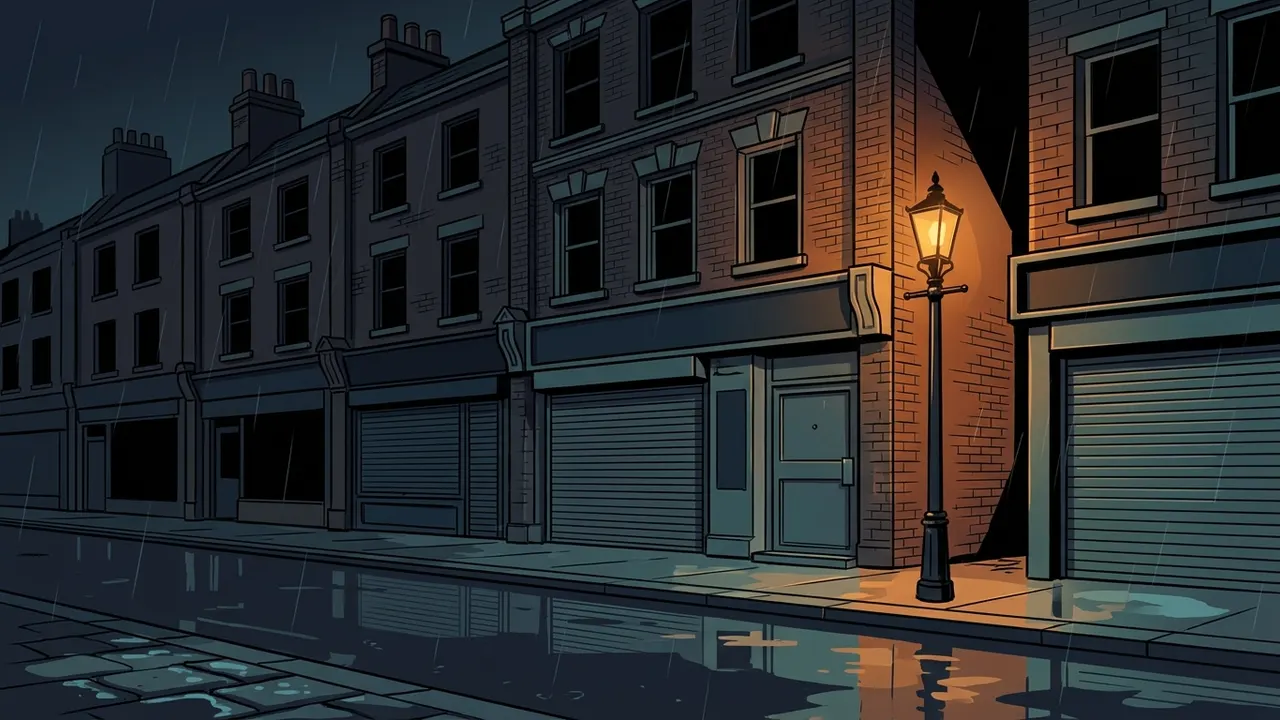
The Hatton Garden safe deposit burglary
London, England, 2015
Hatton Garden is London's jewellery quarter. Over the Easter weekend of 2015, a gang entered a safe deposit building in the area through the lift shaft, went down to the basement and drilled through about 50 centimetres of concrete with an industrial diamond-core drill, bypassing the armoured door. The alarm went off in the early hours of 3 April, the police were notified and sent no one. The hydraulic equipment failed on the first night, and the group came back on Saturday night to finish the job.

The Banco Central theft in Fortaleza
Fortaleza, Brazil, 2005
In April 2005, a gang rented a house on Rua 25 de Março, in downtown Fortaleza, a few blocks from the regional headquarters of the Banco Central, and set up a fake artificial turf company there, even handing out branded caps to avoid suspicion. For about three months, working in shifts, the group dug a tunnel of almost 80 meters and about 75 centimeters in diameter from the house, shored up with hundreds of planks, with lighting, ventilation and an intercom.

The robbery of the Central do Brasil pay train
Japeri, Rio de Janeiro, 1960
On the morning of June 14, 1960, around 8:30, the Central do Brasil Railway pay train was running along the auxiliary line carrying the wages of more than a thousand railwaymen, boosted that month by a bonus. At the so-called Curve of Death, at km 71, near Japeri station, a dynamite charge tore up the rails and derailed the locomotive and one car. The money was travelling in boxes and cans, outside the safe.
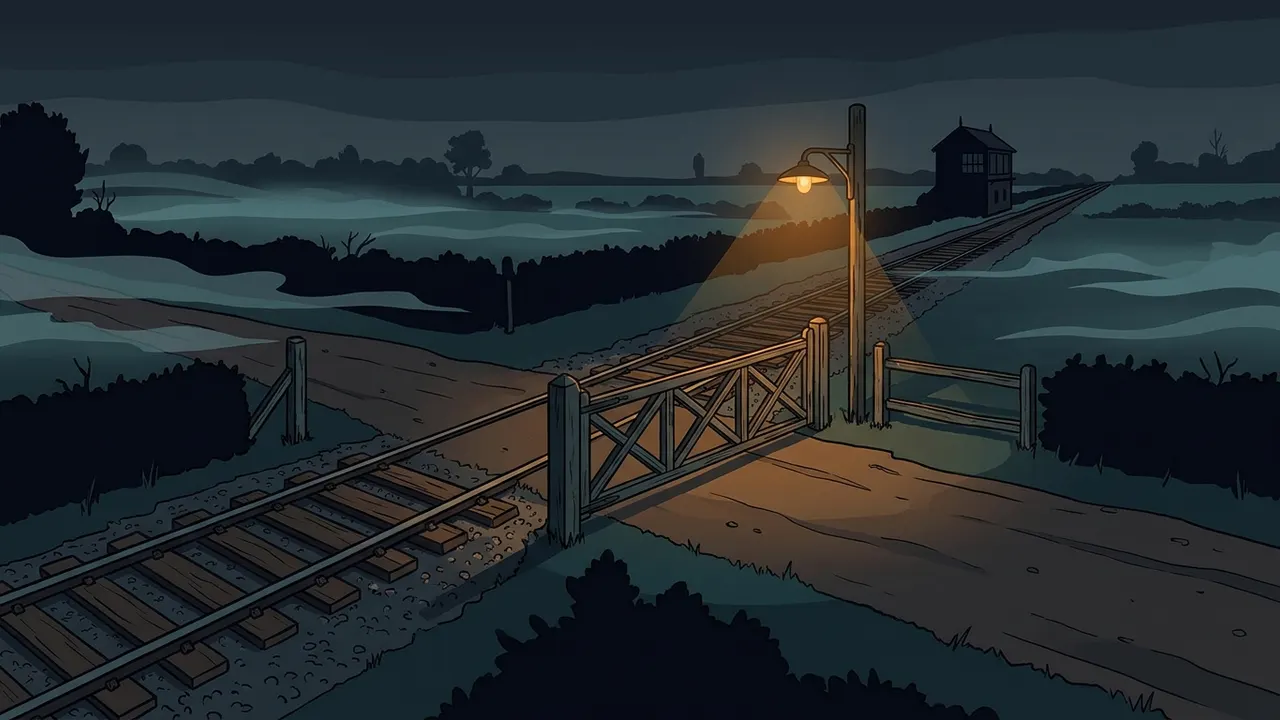
The Great Train Robbery
Buckinghamshire, England, 1963
Shortly after 3 am on 8 August 1963, the night mail train from Glasgow to London stopped at a red signal at Sears Crossing, in Buckinghamshire. The gang had covered the signal's green light with a glove and lit the red one with a battery. The driver was struck on the head, and the valuables carriage was taken to Bridego Bridge, where the thieves passed the money sacks to a lorry.
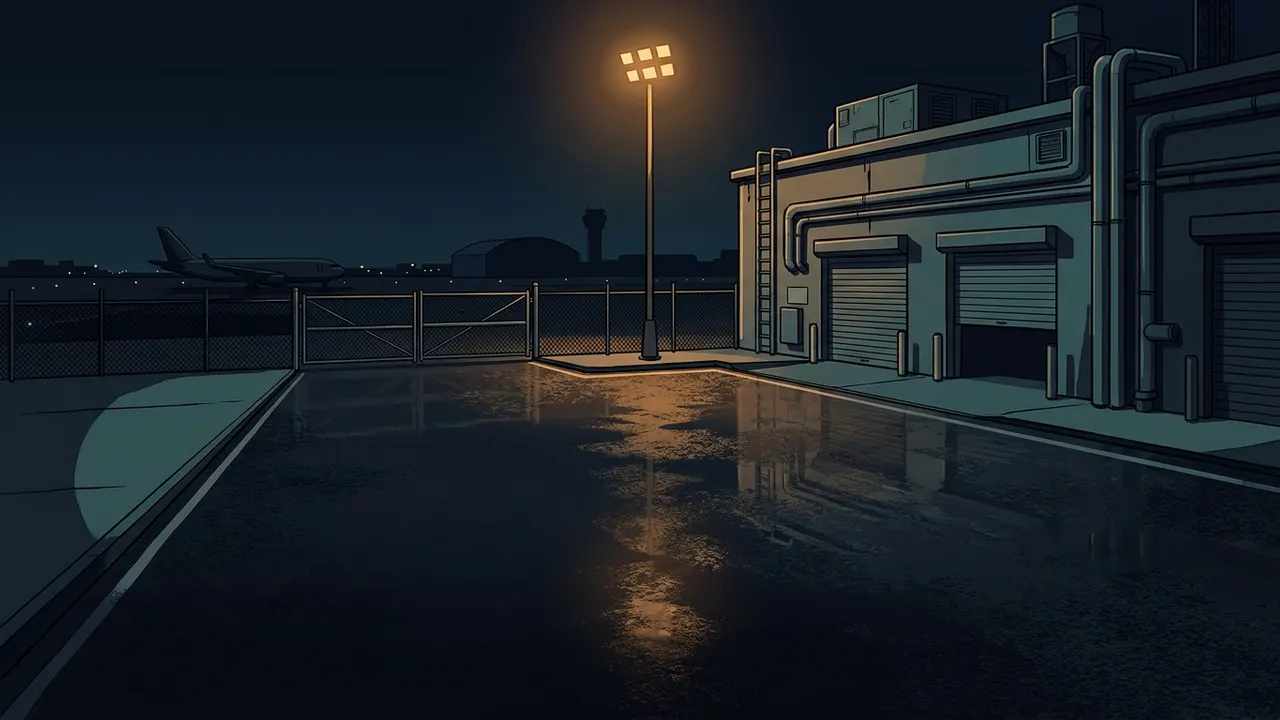
The Lufthansa heist at JFK Airport
New York, United States, 1978
In the early hours of December 11, 1978, around 3 a.m., six masked men arrived in a black van at the Lufthansa cargo terminal at John F. Kennedy Airport in New York. They cut the padlock on a gate, took the employees hostage, locked everyone in the cafeteria and forced a manager to open the vault's double doors. They left with about 5 million dollars in cash and 875 thousand in jewelry, the biggest cash robbery in the United States up to that time.
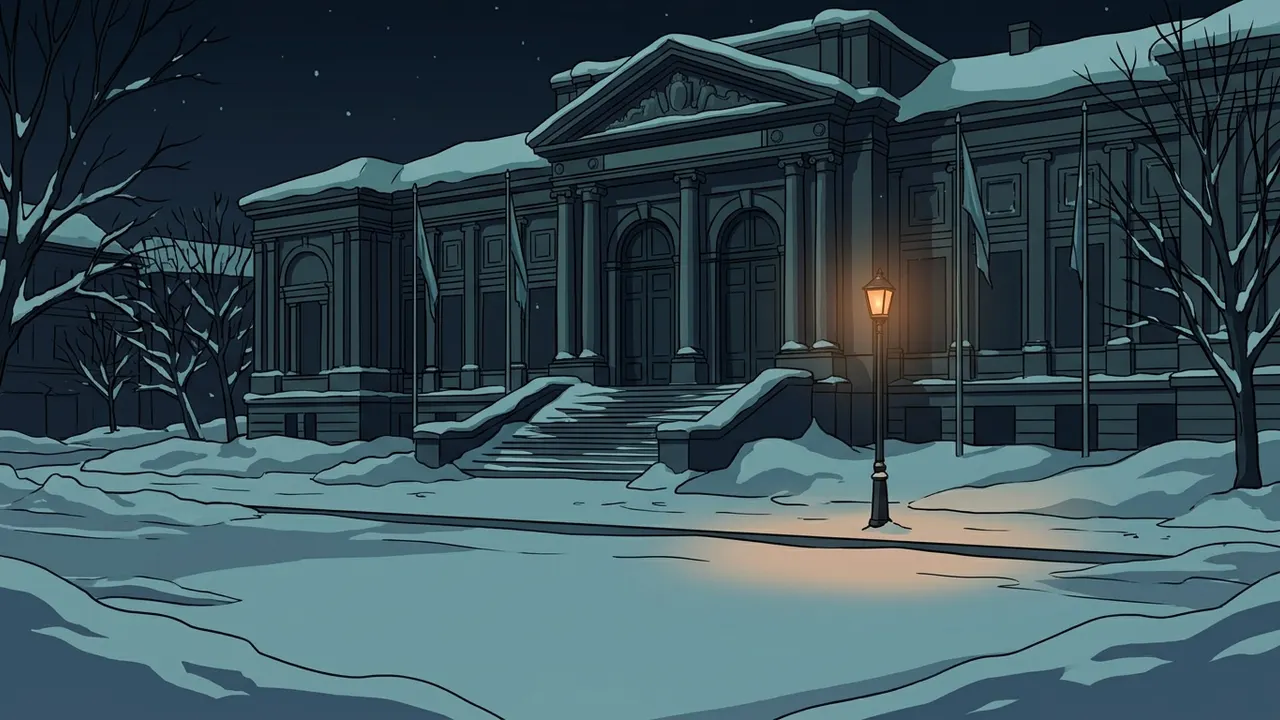
The theft of The Scream by Edvard Munch
Oslo, Norway, 1994
In the early hours of 12 February 1994, the opening day of the Lillehammer Winter Olympics, two men propped a ladder against the facade of the National Gallery in Oslo, broke a second-floor window and took the 1893 version of The Scream by Edvard Munch. The painting had been moved to that room because of the Olympic exhibition. The alarm sounded at around 6:30 a.m., but the job took less than a minute, and the thieves left a card reading "Thanks for the poor security".
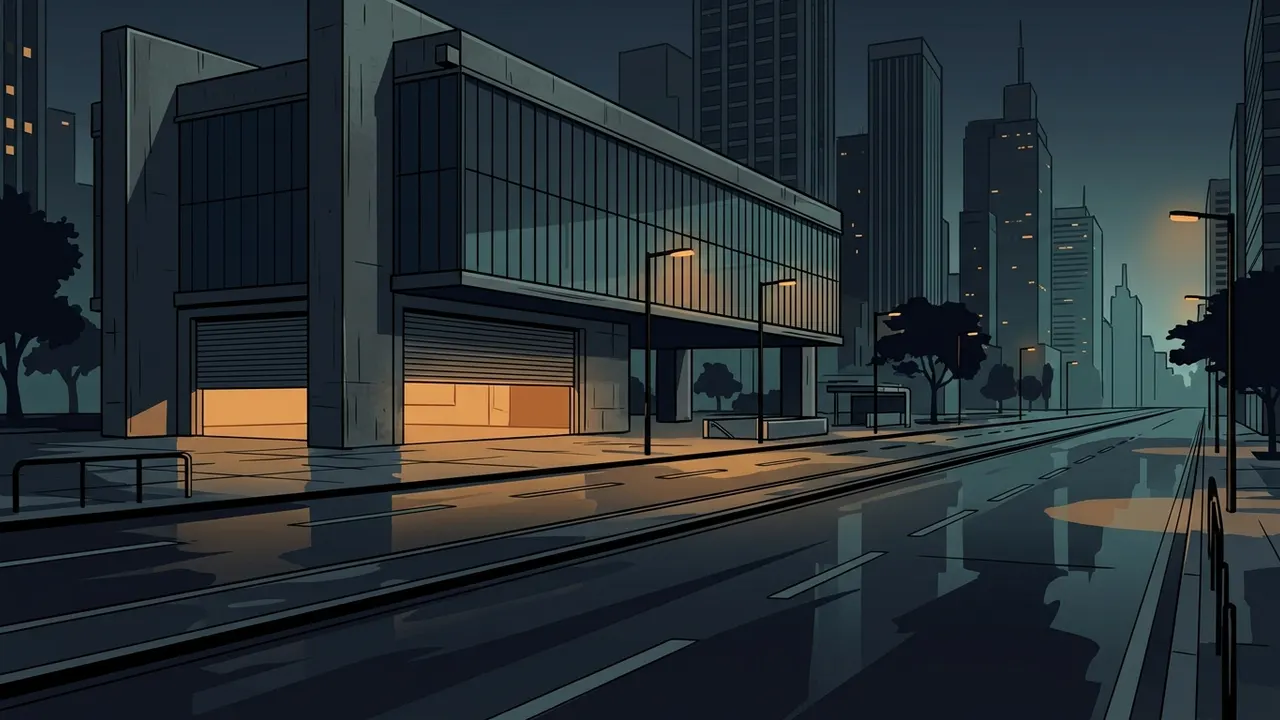
The theft of the MASP paintings
São Paulo, 2007
In the early hours of December 20, 2007, three men broke into the São Paulo Museum of Art (MASP) on Avenida Paulista. According to the CCTV footage, they raised the entrance door with a hydraulic jack and smashed a glass door with a crowbar. Between 5:09 and 5:12 a.m., during the guards' shift change, they took Pablo Picasso's "Portrait of Suzanne Bloch" and Candido Portinari's "The Coffee Farmer".
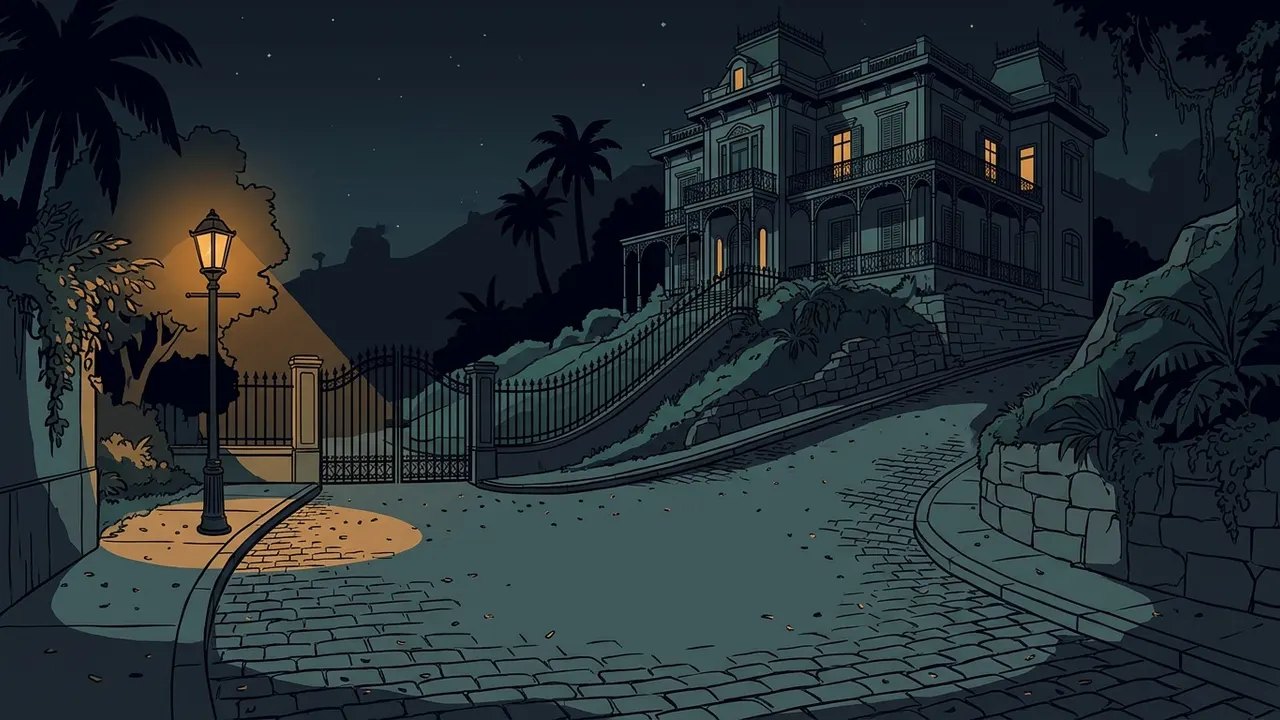
The Chácara do Céu Museum robbery at Carnival
Rio de Janeiro, Brazil, 2006
On the afternoon of February 24, 2006, the first day of Carnival, four armed men entered the Chácara do Céu Museum in the Santa Teresa neighborhood of Rio de Janeiro. They overpowered security within minutes, held staff and visitors hostage, among them five foreign tourists, and ordered the closed-circuit cameras switched off. Outside, the Carmelitas street party was coming down the neighborhood's slopes with thousands of revelers.
Breitwieser's thefts, the museum thief
Europe, 1995 to 2001
Between 1995 and 2001, a French waiter from the Mulhouse area in Alsace toured small museums and castles open to visitors in France and neighboring countries, taking works of art in broad daylight without breaking in. He waited for the guard to step away from the room, cut the canvases flush with the frame, rolled them up and walked out with them under his coat; small objects went the same way. His girlfriend usually came along and watched the door. He later admitted to 239 works and objects taken from 172 museums, almost all from the 16th and 17th centuries, and said he never wanted to sell anything: he wanted a collection for himself.
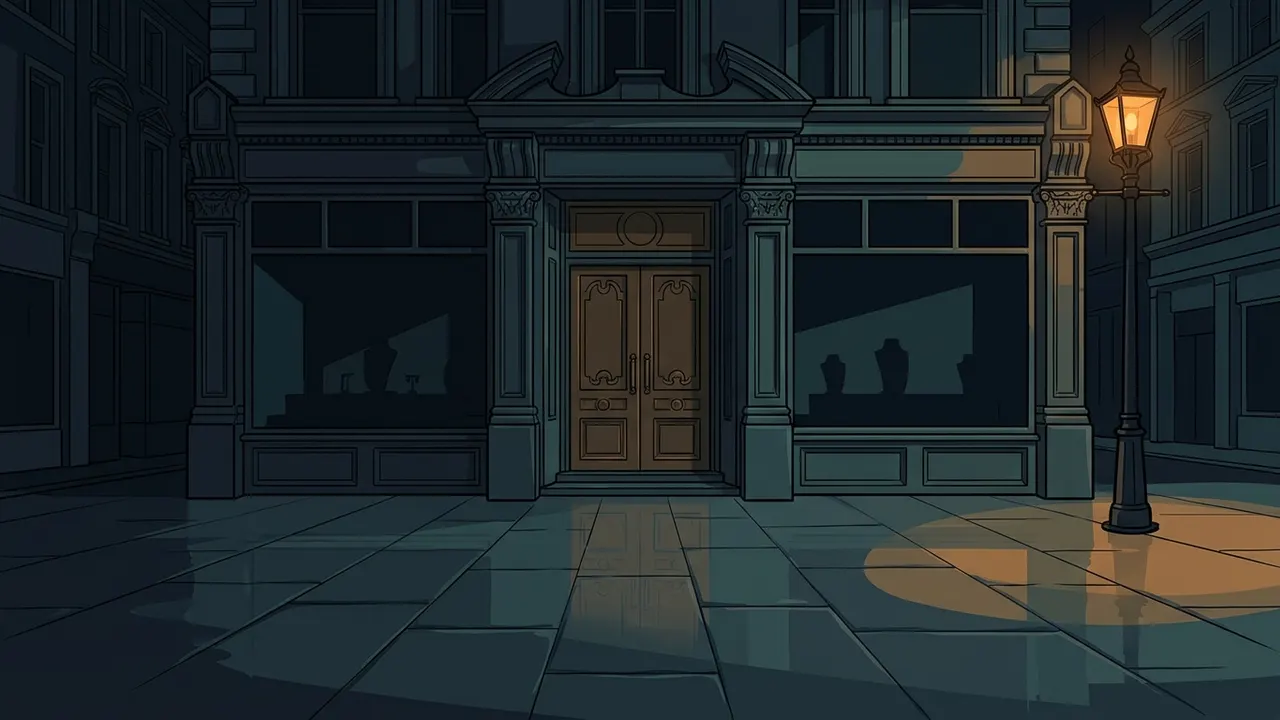
The Graff jewellery robbery
London, England, 2009
On the afternoon of 6 August 2009, at around 4:40 pm, two well-dressed men stepped out of a taxi in front of the Graff jewellers on New Bond Street, in Mayfair, London, and walked in as customers. Inside the shop, they drew two pistols and forced a saleswoman to empty the display cases. They did not hide their faces from the cameras: hours earlier, a professional make-up artist had changed their skin tone and features with latex prosthetics and wigs, in a job of about four hours that he believed was for a music video. One of the men went in wearing leather gloves, and security still opened the door.
The Kim Kardashian robbery in Paris
Paris, France, 2016
In the early hours of October 3, 2016, during Paris fashion week, masked men dressed as police officers entered a discreet luxury residence on rue Tronchet, near the Madeleine. They overpowered the night porter, handcuffed him and forced him to take them to the apartment where Kim Kardashian, then 35, was alone: her bodyguard had gone out with her sisters to a nightclub.
The Bulgarian umbrella murder
London, England, 1978
Georgi Markov was a Bulgarian writer who had fled his country's communist regime and lived in London, where he worked for the Bulgarian service of the BBC and sent critical commentaries about the government in Sofia through Radio Free Europe. On 7 September 1978, while waiting for a bus near Waterloo Bridge, he felt a sharp pain at the back of his right thigh, like an insect sting. Behind him, a man picked an umbrella up off the ground, murmured an apology in a foreign accent and left in a taxi.
The Bovingdon factory poisonings
Bovingdon, England, 1971
In 1971, Graham Young, then 23, left Broadmoor psychiatric hospital, where he had been held since his teens for poisoning relatives, and was hired as a storeroom assistant at John Hadland, a photographic instruments factory in Bovingdon, in the county of Hertfordshire. The company knew about the hospitalisation but not about the history of poisonings. Among his duties was fetching his colleagues' tea and coffee from the corridor trolley, and every worker had their own mug.
The Maybrick case and the flypaper
Liverpool, England, 1889
James Maybrick, a Liverpool cotton merchant, fell ill on 27 April 1889 and died on 11 May at home, in the Aigburth district. A hypochondriac, he had taken patent medicines and arsenic as a tonic for years, and a local chemist confirmed he had sold him arsenic for a long time. Even so, suspicion fell on his wife, Florence, an American born in Alabama, many years younger than her husband.
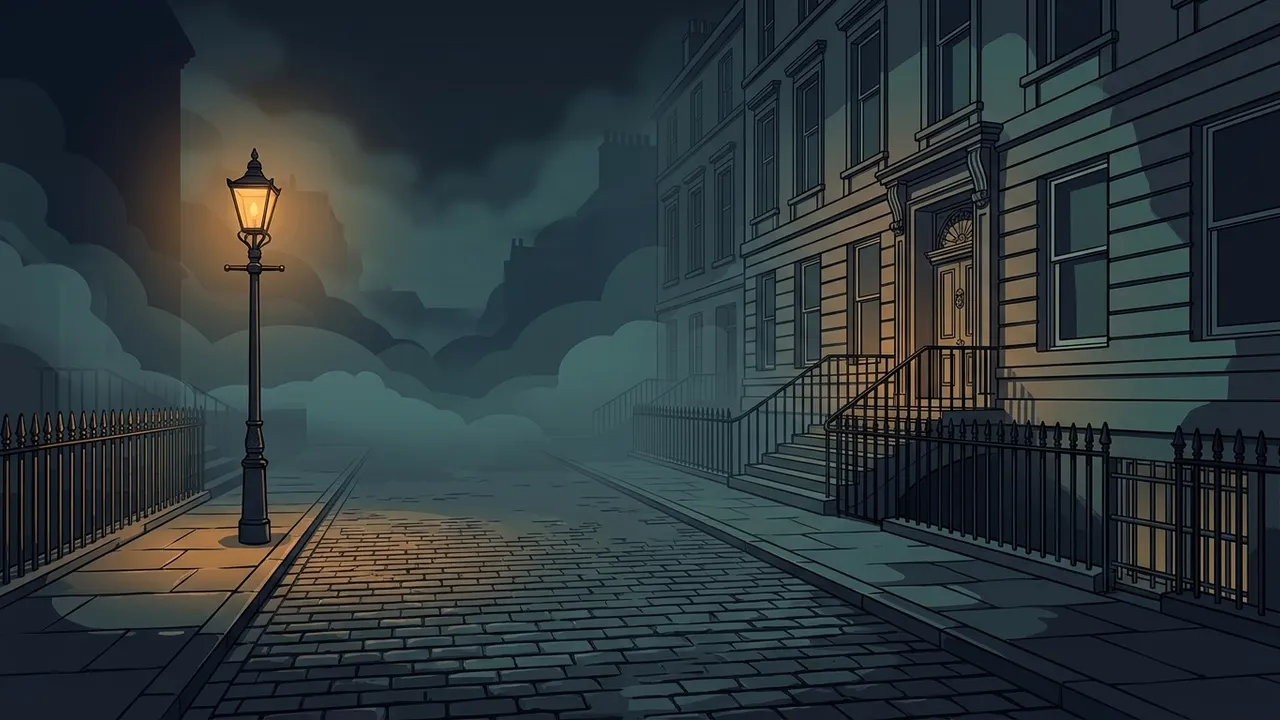
The case of the young woman from Glasgow accused of poisoning her lover with arsenic
Glasgow and Edinburgh, Scotland, 1857
In the mid-1850s, the daughter of a wealthy Glasgow family carried on a secret romance for about two years with a poor clerk, born in the Channel Islands and ten years her senior, and wrote him hundreds of passionate letters. In early 1857, her parents arranged a rich and respectable fiancé for her, and she accepted the marriage. She asked her former lover to return the letters; he refused and threatened to show them to her father.
The murder of Kim Jong-nam at Kuala Lumpur airport
Kuala Lumpur, Malaysia, 2017
On the morning of February 13, 2017, Kim Jong-nam, 45, the eldest son of former North Korean leader Kim Jong-il and half-brother of Kim Jong-un, was waiting for a flight to Macau at the low-cost terminal of Kuala Lumpur International Airport. He had lived abroad for years and was traveling on a passport in the name of “Kim Chol”. In the departure hall, two young women approached him and smeared a liquid on his face. He asked for help at a counter, was taken to the airport infirmary and died in the ambulance on the way to the hospital.
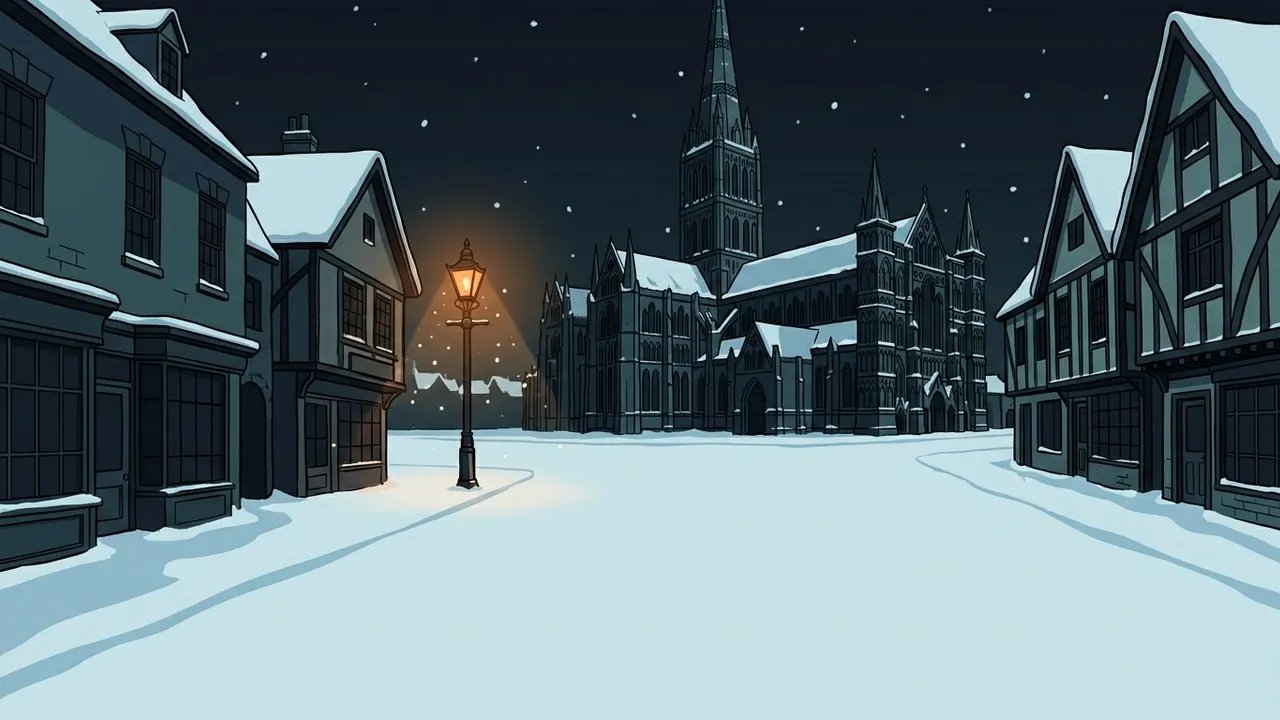
The poisoning of Sergei and Yulia Skripal with Novichok
Salisbury, England, 2018
Sergei Skripal, a former colonel in Russian military intelligence (GRU), had passed secrets to the British secret service, was convicted in Russia in 2006 and left prison in a spy swap in 2010. He had lived in Salisbury, in southern England, ever since. On the afternoon of Sunday, March 4, 2018, he and his daughter Yulia, who was visiting, were found unconscious on a bench in the town center at 4:15 pm, after stopping at a pub and having lunch at an Italian restaurant. Detective Sergeant Nick Bailey of Wiltshire Police, who went to Skripal's house, also fell seriously ill.
The poisoning of Viktor Yushchenko with dioxin
Kyiv, Ukraine, 2004
On September 5, 2004, in the middle of the presidential campaign, Viktor Yushchenko, the main opposition candidate in Ukraine, had dinner at the home of Volodymyr Satsyuk, deputy head of the country's security service (SBU); the head of the service, Ihor Smeshko, was also at the table. In the early hours of the next morning, Yushchenko fell ill, with severe pain in his back and abdomen. Ukrainian doctors first spoke of food poisoning, and on September 10 he was admitted to the Rudolfinerhaus clinic in Vienna.
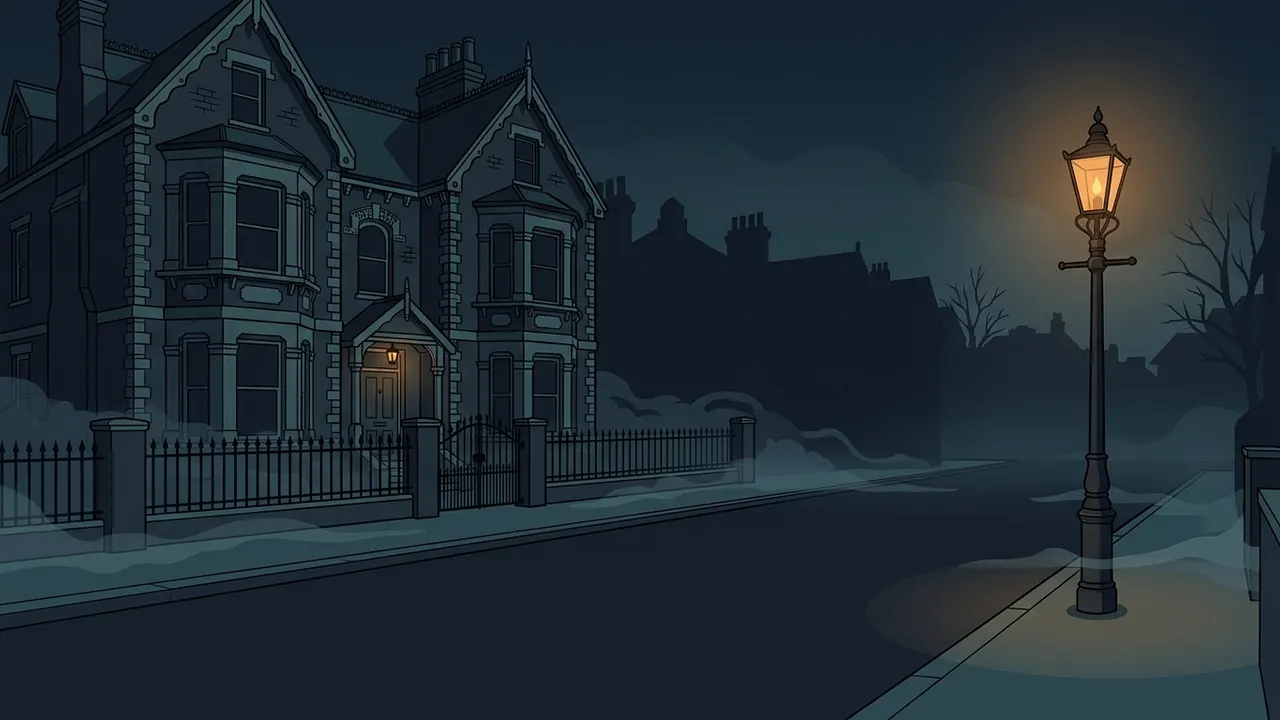
The death of Charles Bravo and the antimony
Balham, London, 1876
Charles Bravo, a 30-year-old barrister, had married Florence Ricardo, a young wealthy widow, in December 1875, and the couple lived in a large house called The Priory in Balham, south London. On the night of 18 April 1876, after dinner, he went up to his bedroom, rubbed laudanum on his gum for a toothache and drank water from the jug at his bedside. Soon afterwards he left the room calling for hot water and fell ill. He died in the early hours of 21 April, after almost three days of agony.
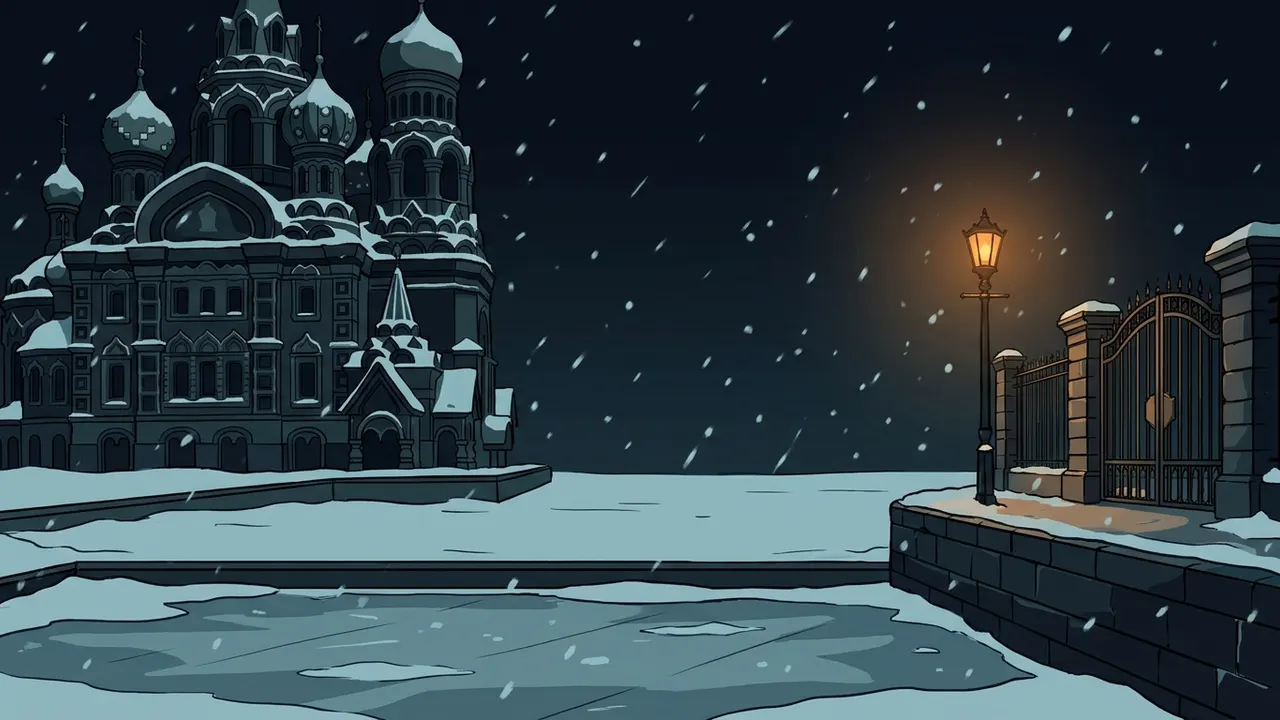
The murder of Grigori Rasputin
Petrograd, Russia, 1916
Grigori Rasputin, a Siberian peasant regarded as a healer and holy man, gained enormous influence over Empress Alexandra because she believed only he could ease the hemophilia of the heir to the throne. In the middle of the First World War, the nobility and part of the Duma blamed him for the discredit of the imperial family and for the choice of ministers. In the early hours of 17 December 1916 by the Russian calendar (30 December in the Gregorian calendar), he was lured to the Yusupov family palace, on the Moika canal in Petrograd, by Prince Felix Yusupov.
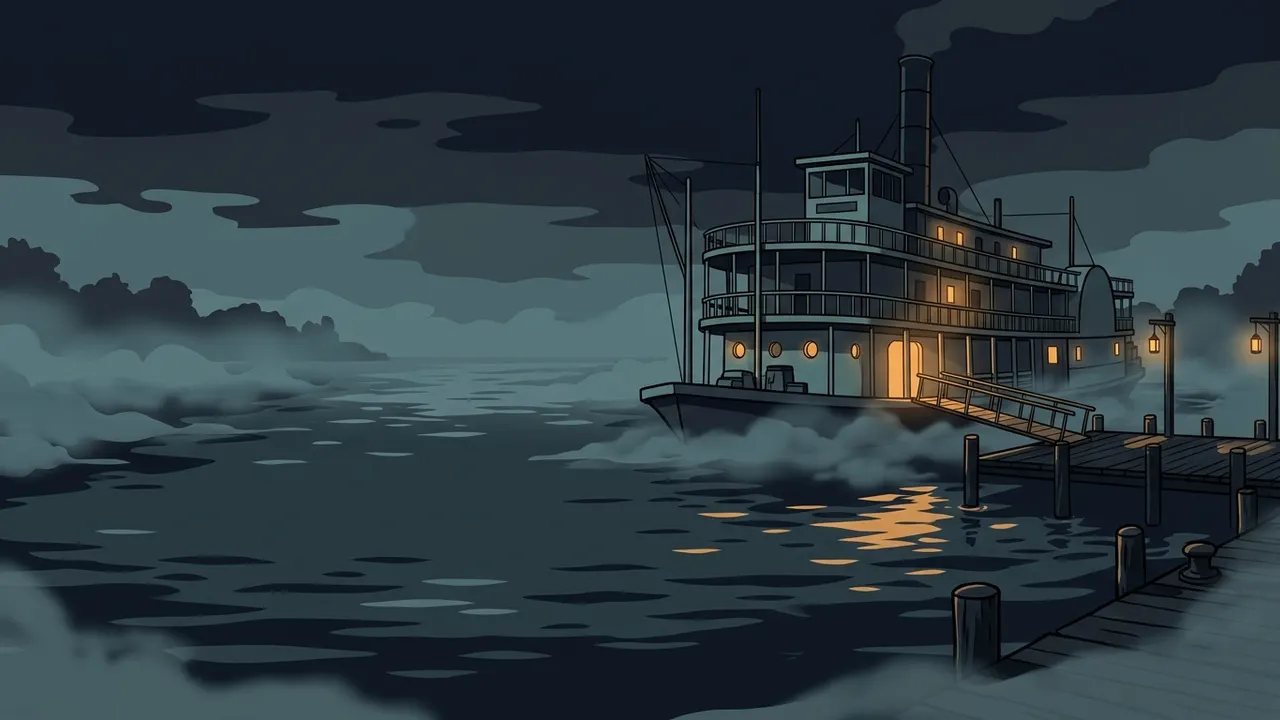
The case of Dr. Crippen and the ship's telegraph
London and Canada, 1910
On the night of January 31, 1910, the American homeopathic doctor Hawley Harvey Crippen and his wife, the music hall singer Cora Crippen, known on stage as Belle Elmore, hosted a couple of friends for dinner at their house on Hilldrop Crescent, in north London. After that, no one saw Cora again. Crippen told her friends from the music hall ladies' guild that she had gone to the United States and, in March, telegraphed that she had died in California. Meanwhile his lover, the typist Ethel Le Neve, moved into the house and turned up at a ball wearing Cora's jewels, which led the friends to go to Scotland Yard.

The poisoned curry of the Wakayama summer festival
Wakayama, Japan, 1998
On July 25, 1998, the residents of the Sonobe neighborhood in the city of Wakayama held their summer festival. Neighborhood women had prepared a big pot of curry in the morning for the community dinner and took turns watching the pot in a garage on the street. Right after dinner, dozens of people began to vomit: 67 were taken to the hospital and four died, among them the president and the vice-president of the residents' association, a 10-year-old boy and a 16-year-old girl.

The Glico-Morinaga case and the poisoned sweets
Osaka and Kobe, Japan, 1984
On the night of March 18, 1984, masked men broke into the home of Katsuhisa Ezaki, president of the confectionery maker Ezaki Glico, in Nishinomiya, tied up his wife and daughter and took him away. They demanded one billion yen and one hundred kilos of gold. Three days later, Ezaki managed to escape alone from the warehouse where he was held, in Ibaraki, in the Osaka region. In April, company cars were set on fire in the headquarters parking lot, and the police and the newspapers began to receive letters signed by "The Monster with 21 Faces," a name taken from a villain in the detective novels of Edogawa Rampo.

The Teigin Bank poisoning
Tokyo, Japan, 1948
On the afternoon of January 26, 1948, just after closing time, a man who introduced himself as a public health official walked into the Shiinamachi branch of the Imperial Bank (Teikoku Ginko, or Teigin) in Toshima ward, Tokyo. He wore an official armband, carried a doctor's bag and said there was a dysentery outbreak in the neighborhood and that everyone had to take a preventive medicine. He gathered the sixteen people present, bank employees and the caretaker's family, and served the liquid in two doses, one minute apart. Ten died on the spot and two more in the hospital. The man left with about 160,000 yen in cash and a check for about 17,000 yen, and left behind a larger sum that was lying on the table.
The Silicon Valley startup that promised hundreds of tests from one drop of blood
Palo Alto, California, United States, 2003 to 2018
In 2003, a 19-year-old student dropped out of college and founded a blood-testing company that claimed it could run quick, accurate tests on a few drops taken from the fingertip, using its own device. The company raised more than 700 million dollars from investors, was valued at around 9 billion between 2013 and 2014 and, from 2013, brought its sample collection to more than 40 stores of a large pharmacy chain, mostly in Arizona.
The Wirecard collapse
Aschheim, near Munich, Germany, 2020
Wirecard, a German electronic payments company based in Aschheim, on the outskirts of Munich, grew so fast that in 2018 it joined the DAX, the index of the 30 largest companies on the German stock exchange. Much of its profit came from third-party partners in Asia and the Middle East, who processed payments on its behalf. From 2019, a series of reports by the British newspaper the Financial Times pointed to accounting irregularities in those businesses. The company denied everything, and the German financial regulator even banned bets against the shares for two months and filed complaints against journalists with prosecutors.

The Fyre Festival, the luxury festival that never happened
Great Exuma, Bahamas, 2017
The Fyre Festival was announced as a luxury music festival in the Bahamas, scheduled for two weekends between late April and early May 2017. The organizers, a young American businessman and a rapper, wanted to promote an app for booking performers. In December 2016, famous models and influencers posted an orange square and a beach video shot with hired models at the same time, often without saying they were paid. The festival was sold as if it were on a private island in the Exumas, but it was moved to a remote stretch of Great Exuma, and the priciest packages, with flight and lodging, cost thousands of dollars.
The Knoedler gallery and the fake abstract expressionists
New York, United States, 2011
Founded in 1846, Knoedler & Company was the oldest art gallery in New York. From the 1990s on, a Long Island dealer, Glafira Rosales, began offering the gallery previously unseen canvases attributed to masters of abstract expressionism, such as Mark Rothko, Jackson Pollock, Robert Motherwell and Willem de Kooning. According to her, the works came from an anonymous collector who had supposedly bought them straight from the artists and preferred to stay out of sight. Over about fifteen years, Knoedler and another Manhattan gallery sold dozens of these canvases, in a scheme estimated at 80 million dollars.
The fake heiress Anna Sorokin, known as Anna Delvey
New York, United States, 2016 and 2017
Anna Sorokin, born in Russia and raised in Germany, moved through New York high society between 2016 and 2017 under the name Anna Delvey, presenting herself as a German heiress to a fortune of about 60 million euros held abroad. She lived in luxury Manhattan hotels, such as the 11 Howard in SoHo, handed out hundred-dollar tips and said she was setting up a private art club with a gallery, a restaurant and pop-up shops. The hotels eventually found that there was no credit card on file and that her bills went unpaid.

The horse meat scandal: horse sold as beef
Europe, 2013
On January 15, 2013, the Food Safety Authority of Ireland announced that it had found horse DNA in frozen burgers sold as beef by major supermarkets in Ireland and the United Kingdom, including Tesco, Iceland, Lidl and Aldi. In one Tesco product, the amount of horse DNA was estimated at about 29% relative to the beef. The news led governments in several countries to test the minced meat used by the food industry.
Rosie Ruiz and the Boston Marathon
Boston, United States, 1980
On April 21, 1980, the Boston Marathon had an unexpected winner in the women's race: Rosie Ruiz, 26, a New York resident who had been running for about a year and a half. She crossed the finish line in 2:31:56, the fastest women's time in the race's history up to then. Canadian Jacqueline Gareau, who had led among the women since the middle of the course, arrived minutes later, just in time to see the laurel wreath placed on another head.
Piltdown Man
Sussex, England, 1912
In 1912, the solicitor and amateur collector Charles Dawson wrote to Arthur Smith Woodward, Keeper of Geology at the Natural History Museum in London, saying he had found pieces of a human skull in a gravel pit at Piltdown, in the county of Sussex. Later digs produced an ape-like jaw with two teeth, animal fossils and stone tools. On 18 December 1912, the find was presented to the Geological Society of London as a very ancient human ancestor, the missing link between ape and man.
The Hitler Diaries hoax
Hamburg, West Germany, 1983
Between 1981 and 1983, the Hamburg weekly Stern secretly bought 62 notebooks attributed to Adolf Hitler, paying about 9.3 million marks. The reporter Gerd Heidemann received them from a Stuttgart dealer in Nazi memorabilia who called himself Konrad Fischer. The story told was that the notebooks had survived the crash of a plane that left Berlin in April 1945 and came down near Dresden, and that they came from the East through the hands of the dealer's brother, supposedly a general in the East German army. To protect the secret, the publisher did not subject the notebooks to a full forensic examination before the purchase.
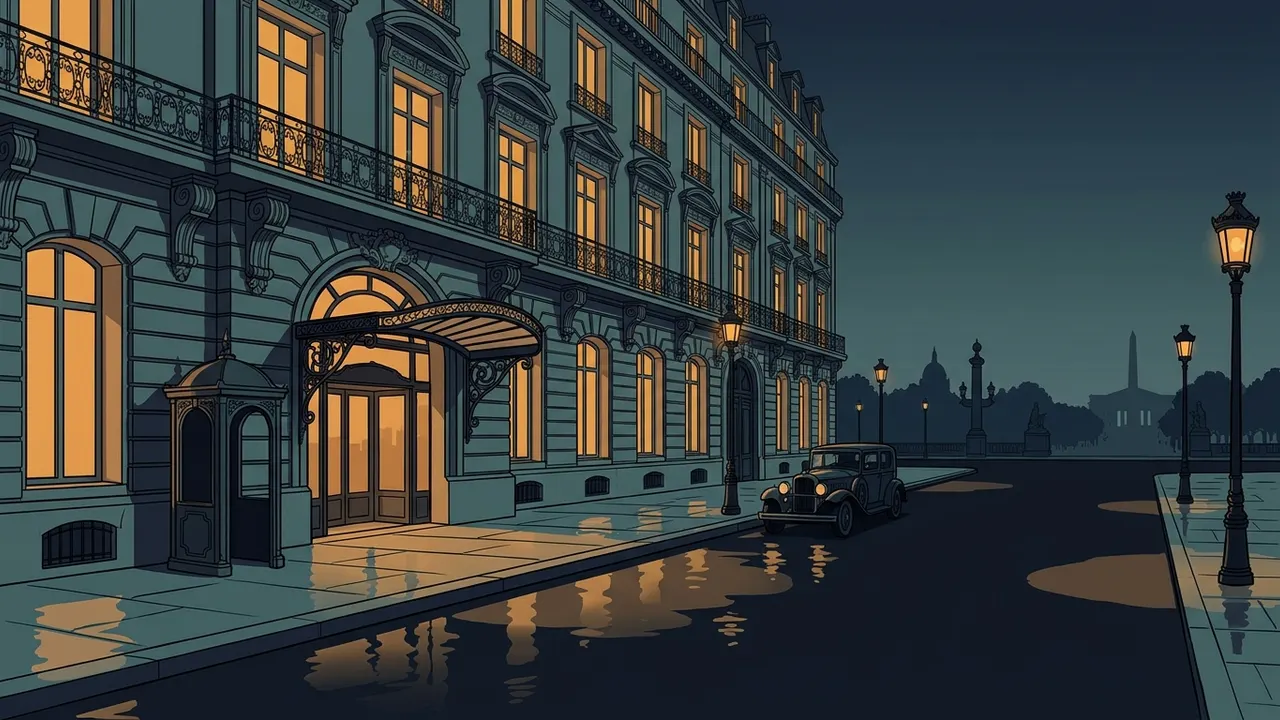
The man who sold the Eiffel Tower
Paris, France, 1925
In 1925, the con man Victor Lustig, born in 1890 in Bohemia, then part of Austria-Hungary, read in a Paris newspaper that the Eiffel Tower was rusting, was expensive to maintain and paint, and that some of the public was already talking about dismantling it. He hired a forger to produce official government letterhead and wrote to a small group of the city's biggest scrap dealers, presenting himself as a deputy director of the Ministry of Posts and Telegraphs and asking for absolute secrecy. He received the dealers in a salon at the Hôtel de Crillon, one of the most luxurious hotels in Paris, and announced that the government would sell the tower as scrap, about 7,000 tons of iron.

The cough on "Who Wants to Be a Millionaire?"
Elstree, England, 2001
On 9 September 2001, British Army major Charles Ingram took the contestant's chair on "Who Wants to Be a Millionaire?", recorded at the Elstree studios near London. His wife, Diana, and her brother had already won £32,000 on the same show. On the first day of recording, Ingram used two of his three lifelines and stopped at the £4,000 question; nobody in the production team expected him to go very far.

The pairs figure skating judging scandal
Salt Lake City, United States, 2002
At the Salt Lake City Winter Games, the pairs figure skating final was held on February 11, 2002. The Russian pair Elena Berezhnaya and Anton Sikharulidze led after the short program, but in the free skate he stepped out of a double axel and both had shaky landings. The Canadian pair Jamie Salé and David Pelletier skated their "Love Story" program without a mistake. Even so, under the 6.0 scoring system, five judges (Russia, China, Poland, Ukraine and France) placed the Russians first, against four (United States, Canada, Germany and Japan), and the gold went to Russia.
The Fisher and Schwartz cheating scandal in bridge
Chicago, United States, 2015
In August 2015, in the quarterfinals of the Spingold, one of the main team tournaments of North American bridge, held in Chicago, the team of Norwegian Boye Brogeland lost by 1 IMP to the team of sponsor Jimmy Cayne, after an appeal that cost him 2 IMPs. On the winning team played the Israeli pair Lotan Fisher and Ron Schwartz, who the previous year had won the same trophy alongside Brogeland himself.

The weighted fish at the Lake Erie tournament
Cleveland, Ohio, United States, 2022
The Lake Erie Walleye Trail is a circuit of walleye fishing tournaments contested by two-person teams on the Ohio shore of Lake Erie, with prizes that can run to tens of thousands of dollars. Since 2021, the team of Jacob Runyan and Chase Cominsky had been winning almost everything, with weights far above their rivals, and suspicion was growing among the other anglers, even though the two had passed polygraph tests that season.
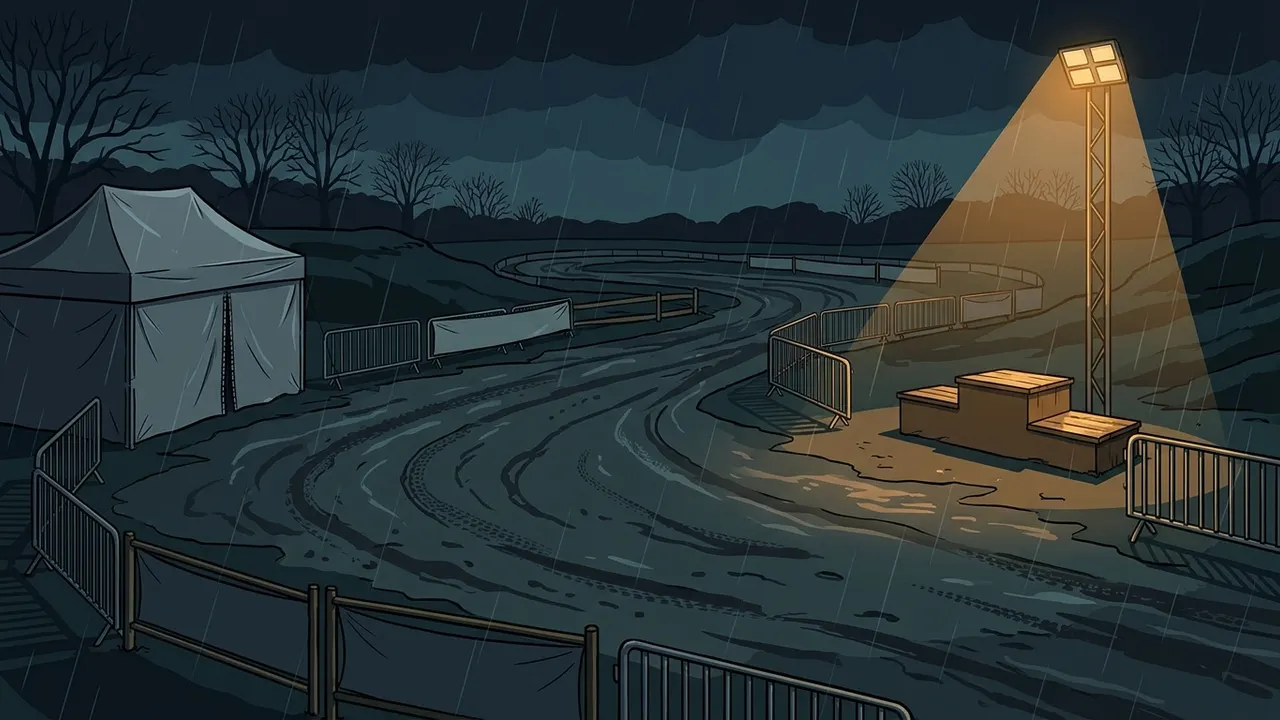
Femke Van den Driessche and the hidden motor in cyclocross
Heusden-Zolder, Belgium, 2016
On January 30, 2016, at the Cyclocross World Championships held at the Zolder circuit in Belgium, Belgian rider Femke Van den Driessche, 19, started among the favorites in the women's under-23 race. European champion in the category in November 2015 and Belgian champion in January, she had mechanical trouble during the race and did not finish.
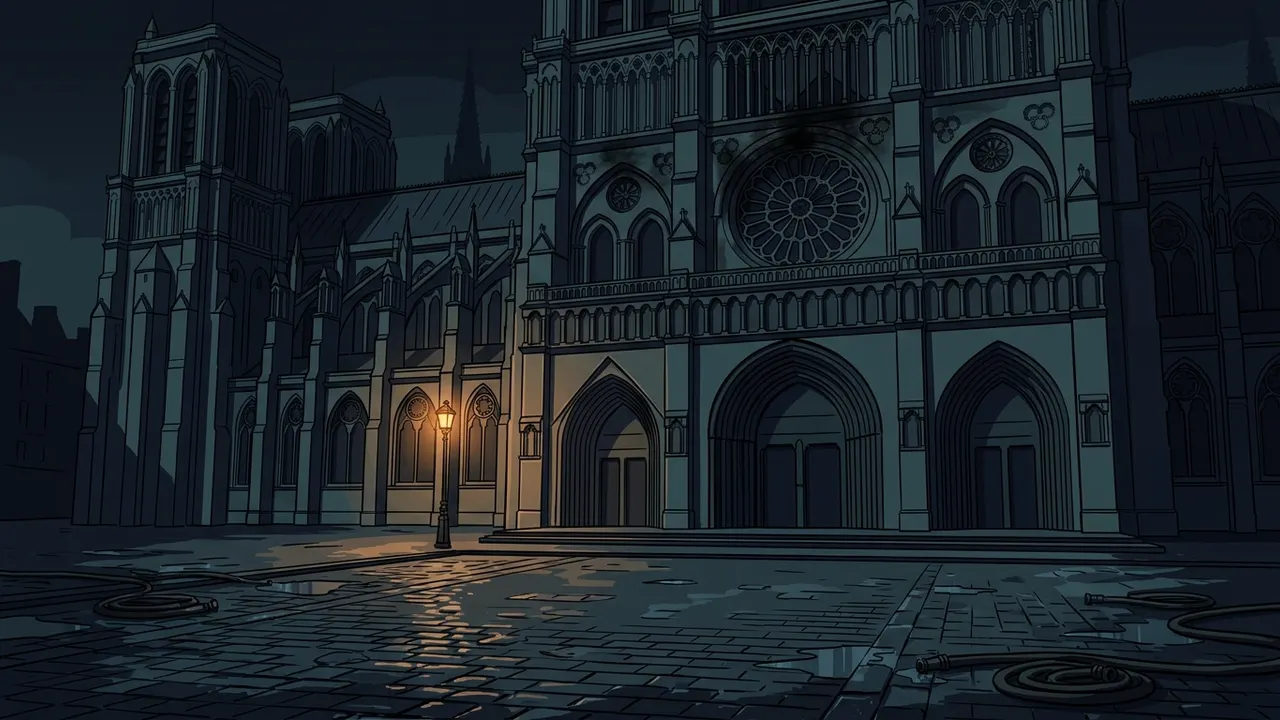
The Nantes Cathedral fire
Nantes, France, 2020
On the morning of Saturday, 18 July 2020, at about 7:45 am, a fire broke out in the Cathedral of Saint Peter and Saint Paul in Nantes, a Gothic monument built between 1434 and 1891. About a hundred firefighters brought it under control at around 10 am. The flames destroyed the great organ in the organ loft, whose origins went back to 1619, the large stained-glass window of the west façade, installed in 1498 and showing Anne of Brittany and her mother, and a painting by Hippolyte Flandrin from 1836.
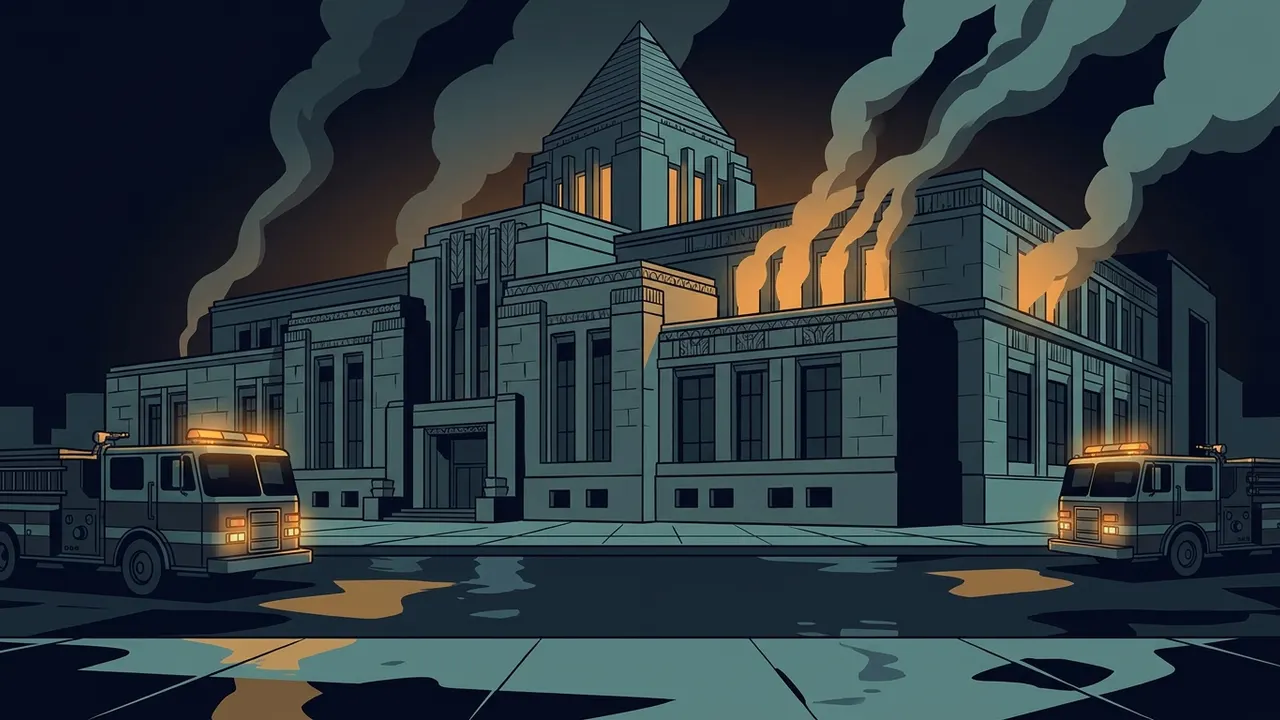
The Los Angeles Central Library fire
Los Angeles, United States, 1986
On the morning of Tuesday, April 29, 1986, the alarm went off in the closed stacks of the Los Angeles Central Library, the 1926 building designed by Bertram Goodhue in the center of the city. The collection was held in interior concrete blocks, with stacked shelves a little over six feet high and almost no ventilation, in a building that had been flagged for years as a fire hazard. The public was evacuated in time, but heat and smoke stayed trapped inside and firefighters took more than seven hours to put out the blaze; small fires kept flaring up for days.
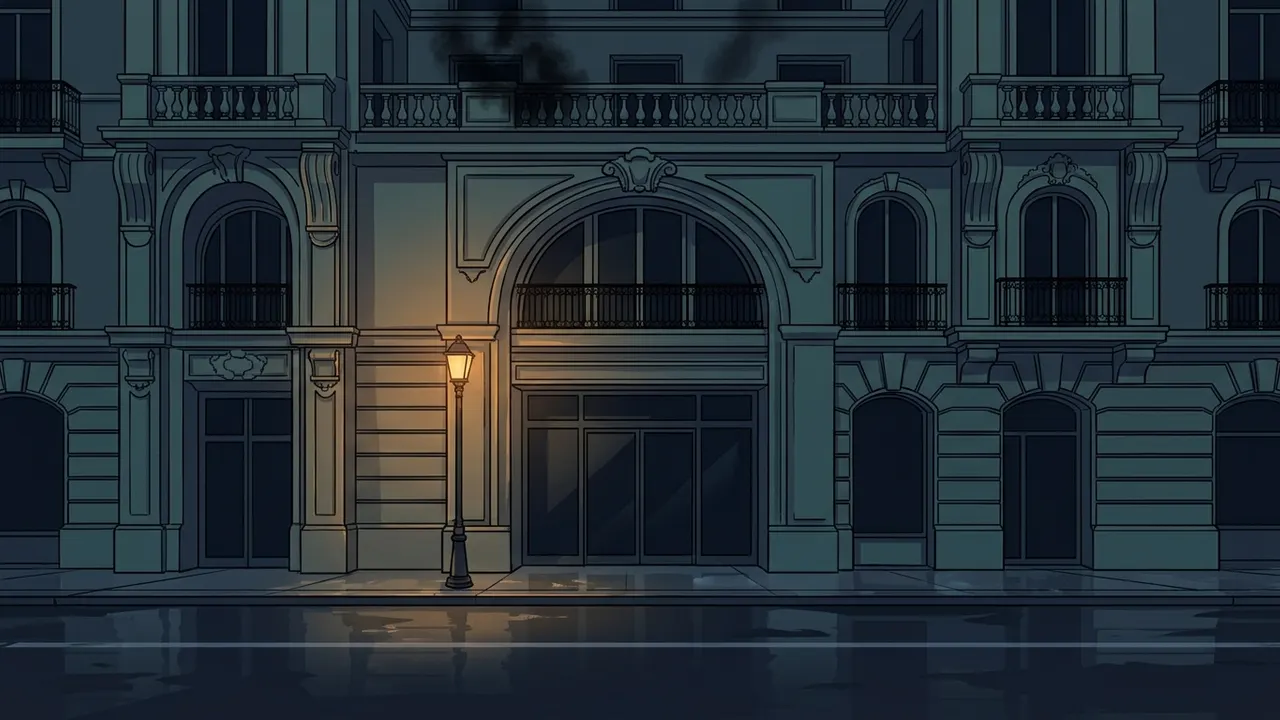
The death of banker Edmond Safra in the penthouse fire
Monte Carlo, Monaco, 1999
Edmond Safra, a banker born in Lebanon and naturalized Brazilian, founder of the Republic National Bank of New York, was 67 and suffered from Parkinson's disease. He needed nursing care day and night and lived with his wife in a penthouse in the La Belle Epoque building in Monte Carlo. In August 1999 he hired the American nurse Ted Maher, who claimed to have served in the Army's special forces. In the early hours of December 3, 1999, Maher was on the night shift with the nurse Vivian Torrente, and none of the family's security staff was on duty in the apartment.
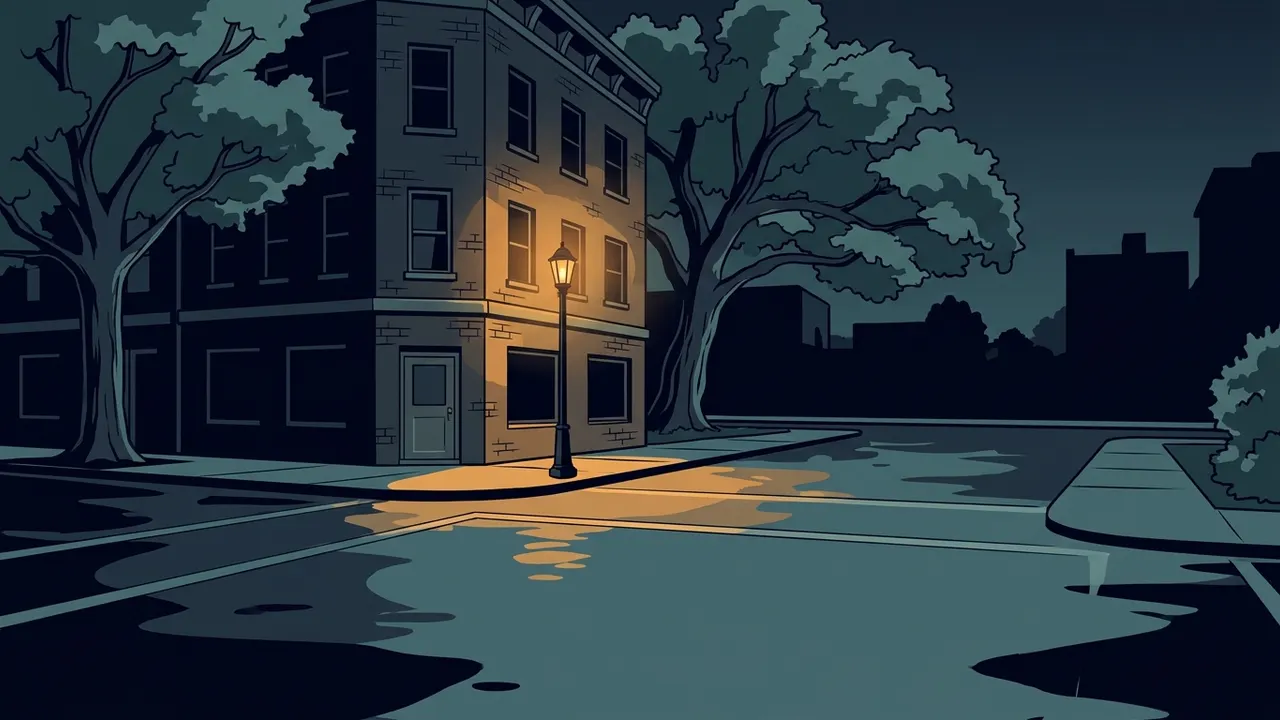
The poisoned oaks of Toomer's Corner
Auburn, Alabama, United States, 2010
Toomer's Corner, at the crossing of Magnolia Avenue and College Street, marks the entrance to the Auburn University campus and the beginning of downtown. For decades, after every football victory, Auburn fans have covered the two big oak trees on the corner, about 130 years old, with toilet paper. In November 2010, Auburn beat its rival the University of Alabama 28 to 27 in the state rivalry game, the Iron Bowl, on its way to that season's national title.
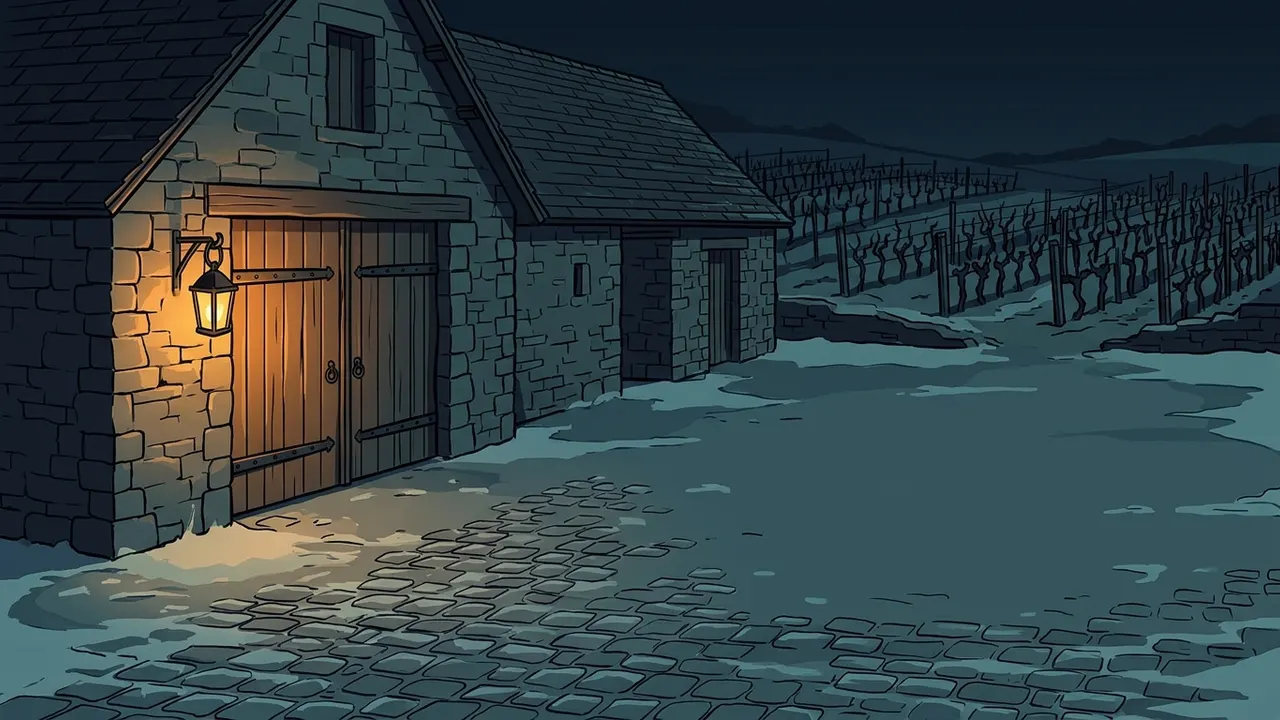
The blackmail against the vines of Romanée-Conti
Vosne-Romanée, Burgundy, France, 2010
In January 2010, the co-director of the Domaine de la Romanée-Conti, producer of the most expensive wine in Burgundy, received at home a cardboard tube with a pencil map, on graph paper, of a stretch of the 1.8-hectare vineyard, and a note saying that the vines inside a circle had been drilled close to the ground. The next day he found two drilled and poisoned vines. A new letter demanded one million euros and threatened to poison the roots of the entire vineyard; the target, it said, was the reputation of Romanée-Conti.

Formula 1's "Spygate"
England and Italy, 2007
In February 2007, the English mechanic Nigel Stepney, who had been Ferrari's chief mechanic and part of the winning team of the late 1990s, left the races and moved to a development role at the factory, after saying publicly that he was unhappy with the team's reorganisation. In June, Ferrari filed a complaint against him in the courts of Modena and, on 3 July, dismissed him.
The 300 million yen robbery
Tokyo, Japan, 1968
On December 6, 1968, the manager of the Kokubunji branch of the Nihon Shintaku bank received by express mail a letter demanding 3 million yen and threatening to blow up his house. The police set up a stakeout the next day, but nobody showed up. On the morning of December 10, at about 9:15, a branch car left with four employees and 294,307,500 yen in three duralumin cases in the trunk: the year-end bonus of 4,525 workers at the Toshiba factory in Fuchu.

Kim Philby, the third man
Beirut, Lebanon, 1963
Harold Adrian Russell Philby, known as "Kim", was recruited by Soviet intelligence in 1934, fresh out of Cambridge. He joined the British secret service, MI6, in 1940 and rose to the top ranks: he headed the section in charge of countering Soviet espionage and, in 1949, went to Washington as the service's representative to the CIA and the FBI. In May 1951, when the diplomat Donald Maclean was about to be interrogated, Philby got a warning to him, and Maclean fled to Moscow with Guy Burgess, who lived in Philby's house. Suspicion that he was the "third man" forced him out of MI6 in July of that year.
Mata Hari, the dancer shot as a spy
Paris, 1917
Margaretha Zelle, a Dutchwoman born in 1876, became famous in Paris from 1905 as Mata Hari, a dancer who claimed to be a Javanese princess. A citizen of a country that stayed neutral in the First World War, she crossed borders with ease and mixed with officers and politicians from several countries. In 1916, the French counterespionage service, the Deuxième Bureau, agreed to use her as an agent, with the promise of a million francs.
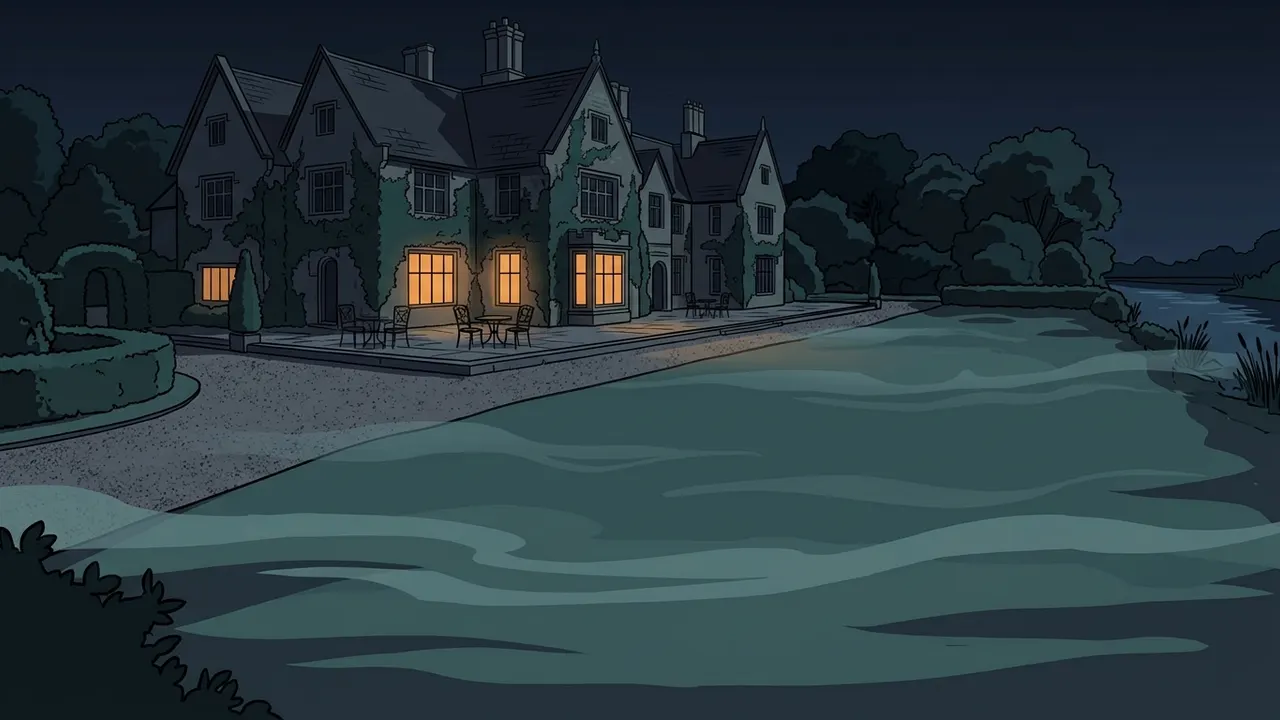
The Profumo affair
England, 1961 to 1963
In July 1961, during a weekend at Cliveden, Lord Astor's country house in Buckinghamshire, the Secretary of State for War, John Profumo, 46, met Christine Keeler, a 19-year-old model brought there by the osteopath Stephen Ward. Ward was a friend of Yevgeny Ivanov, a naval attaché at the Soviet embassy whom the British security service knew to be a Russian military intelligence officer, and Keeler is said to have been involved with both men. The affair with the minister lasted only a few months, but the triangle became a national security risk: according to Ward, Ivanov even asked for information about West Germany's nuclear armament.
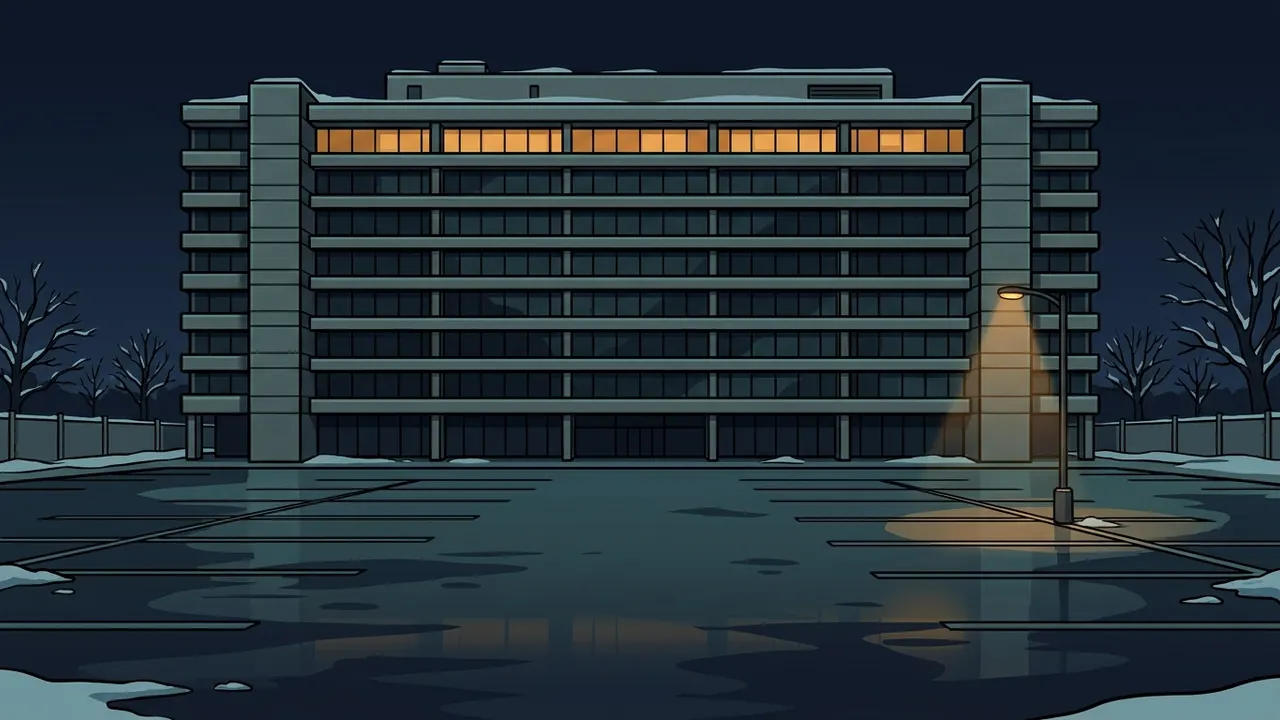
Robert Hanssen, the FBI agent who spied for Moscow
Washington and Vienna (Virginia), United States, 1979 to 2001
Robert Hanssen joined the FBI on January 12, 1976, and built a career in counterintelligence against the Soviets. In 1979 he offered his services to Soviet military intelligence and, on October 1, 1985, sent an anonymous letter to the KGB asking for $100,000. Over more than twenty years he handed over thousands of secret documents, the names of KGB officers who were working for the Americans (two of them were executed in Moscow) and even the eavesdropping tunnel the FBI had dug under the new Soviet embassy. He received more than $1.4 million in cash, diamonds and watches and never revealed his name to the Russians, who knew him as "Ramon Garcia".
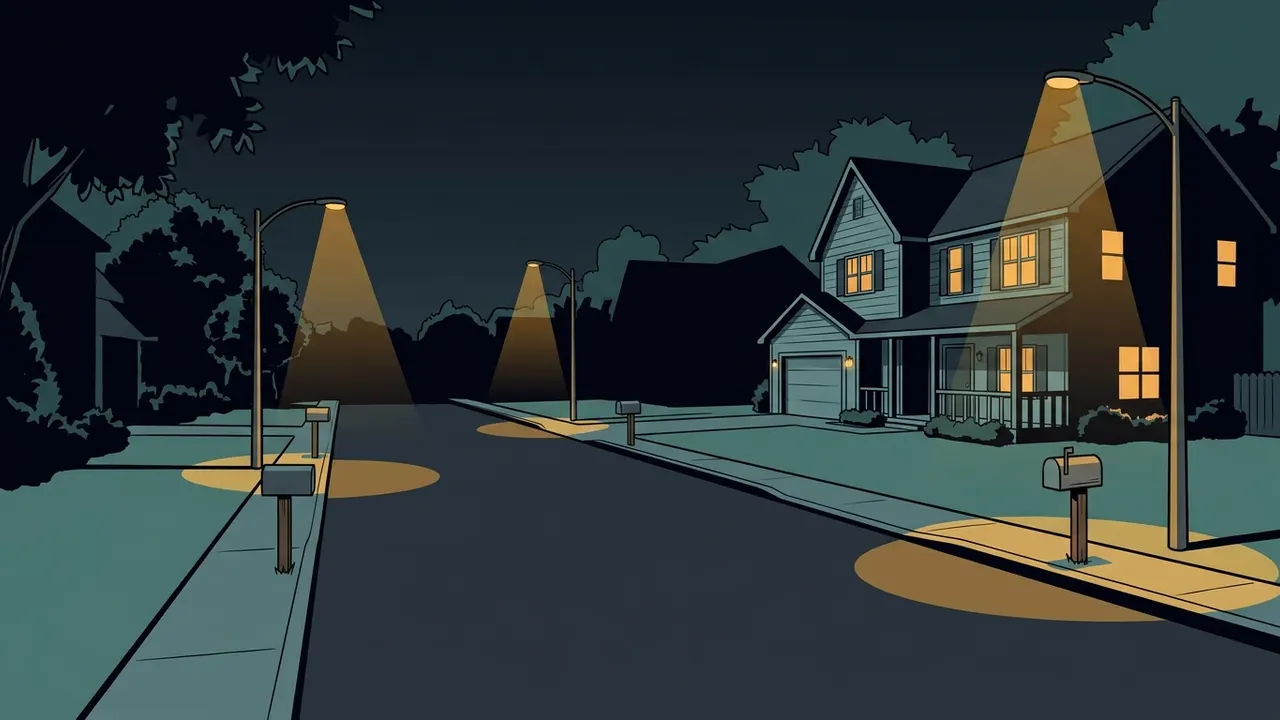
The Russian "illegals" spies in the United States
United States, 2010
For more than a decade, in what it called Operation Ghost Stories, the FBI tracked a network of SVR agents, Russia's foreign intelligence service, who lived in the United States as ordinary citizens, with no diplomatic cover. With forged documents and, in some cases, stolen identities, they married, bought houses, raised children and studied at American universities, trying to get close to academics, financiers and people linked to the government. One of the couples lived in Montclair, New Jersey; others in Yonkers, Cambridge and northern Virginia. The man who used the name Juan Lazaro reportedly built his persona on the birth certificate of a Uruguayan boy who died at the age of three.
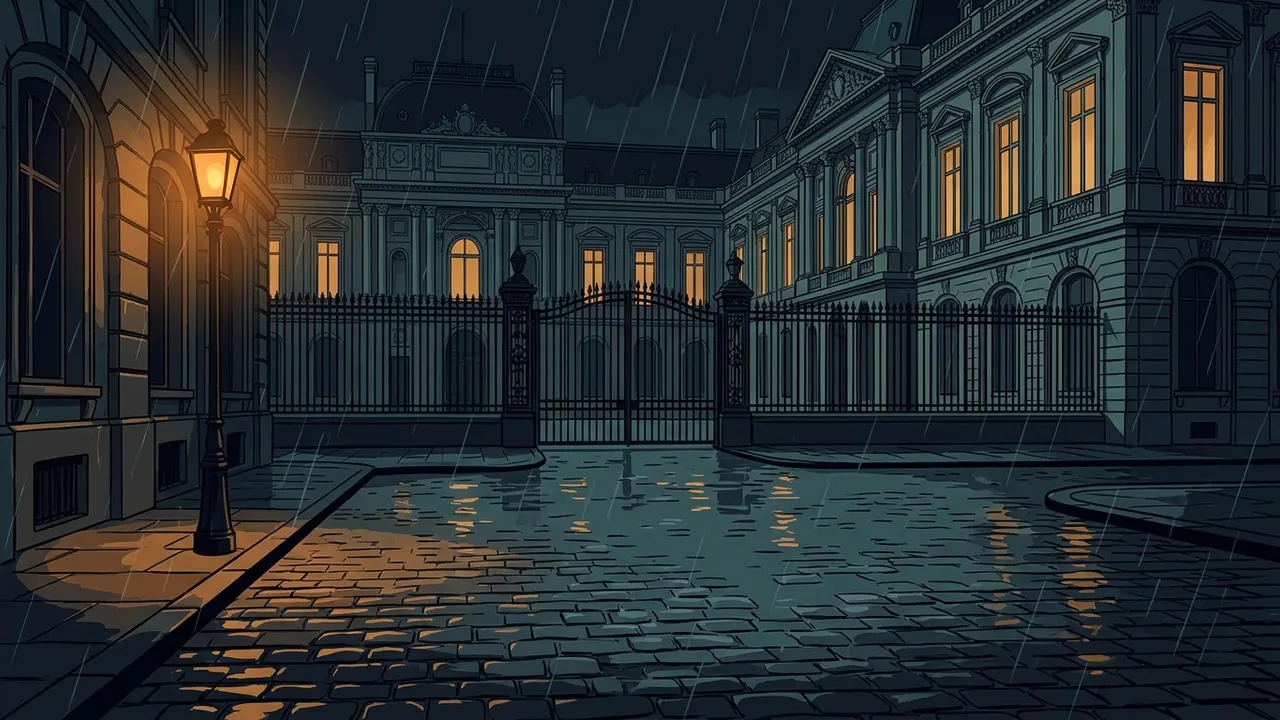
The Dreyfus affair and the bordereau
Paris, 1894
In September 1894, French counterespionage received, among the trash from the wastebasket of the German military attaché in Paris, brought by a cleaning woman who worked at the embassy and secretly served the section, a torn, unsigned note: the bordereau. It offered military documents, such as a note on the hydraulic brake of the 120 gun and the draft firing manual of the field artillery. The General Staff pointed to Captain Alfred Dreyfus, an Alsatian Jewish artilleryman, based on a handwriting resemblance disputed by experts.
Operation Mincemeat
Huelva, Spain, 1943
In early 1943, the Allies had decided to invade Sicily and feared the target was too obvious. Two British intelligence officers then devised a deception: they obtained the body of a Welsh vagrant who had died of rat poison, dressed him as a fictitious Royal Marines officer and chained to the belt of his coat a briefcase of fake personal letters between generals. The letters named Greece and Sardinia as the targets and Sicily as a mere cover. Photos of an invented fiancée, love letters, theatre tickets and a bank demand completed the identity.
Soviet espionage of Concorde and the "Concordski"
France, 1960s
In the 1960s, France and the United Kingdom were building Concorde together, a supersonic passenger airliner, while the Soviet Union raced to put its own in the air, the Tupolev Tu-144. The Soviet aircraft flew first, on December 31, 1968, two months before Concorde, and looked so much like it that the Western press nicknamed it "Concordski." Aviation historians point out that the two projects had major differences in engines, wing and landing gear, but the resemblance fed the suspicion that the Soviets had stolen their rival's secrets.

The kidnapping of Frank Sinatra Jr.
Lake Tahoe, United States, 1963
On the night of December 8, 1963, two weeks after the assassination of John F. Kennedy, Frank Sinatra Jr., a 19-year-old singer and the son of Frank Sinatra, was resting with a friend at Harrah's Club Lodge in Lake Tahoe, on the California-Nevada border. Around 9 pm, Barry Keenan knocked at the door pretending to make a delivery; he and Joe Amsler, both 23, walked in, bound the friend with adhesive tape, blindfolded the young man and left through a side door. The friend freed himself and raised the alarm; the kidnappers were even stopped at a police roadblock, but bluffed their way through and went on to a hideout near Los Angeles.
The kidnapping of Freddy Heineken, the brewery owner
Amsterdam, 1983
On November 9, 1983, at 6:56 pm, Freddy Heineken, chairman of the Heineken brewery and one of the richest men in the Netherlands, and his driver, Ab Doderer, were seized in front of the company's office in central Amsterdam. The gang of five had been planning the crime for months and had already tried, unsuccessfully, to grab him near his home in Noordwijk. The two hostages were locked in two soundproof cells hidden behind a double wall at the back of a carpentry workshop's shed in the city's western port district: the 42-metre shed became 4 metres shorter on the inside, and nobody noticed.
The kidnapping of Abilio Diniz during election week
São Paulo, 1989
On the morning of Monday, December 11, 1989, at around 8 am, the businessman Abilio Diniz, of the Pão de Açúcar Group, was driving his Mercedes near his home in Jardim Europa, on his way to the office, when a Caravan station wagon disguised as an ambulance blocked his path. A man dressed as a military police officer overpowered him, tied him up and threw him into the van. The kidnappers demanded a ransom of about 30 million dollars, six days before the runoff of the first direct presidential election since the dictatorship.
The kidnapping of Patty Hearst
Berkeley, California, 1974
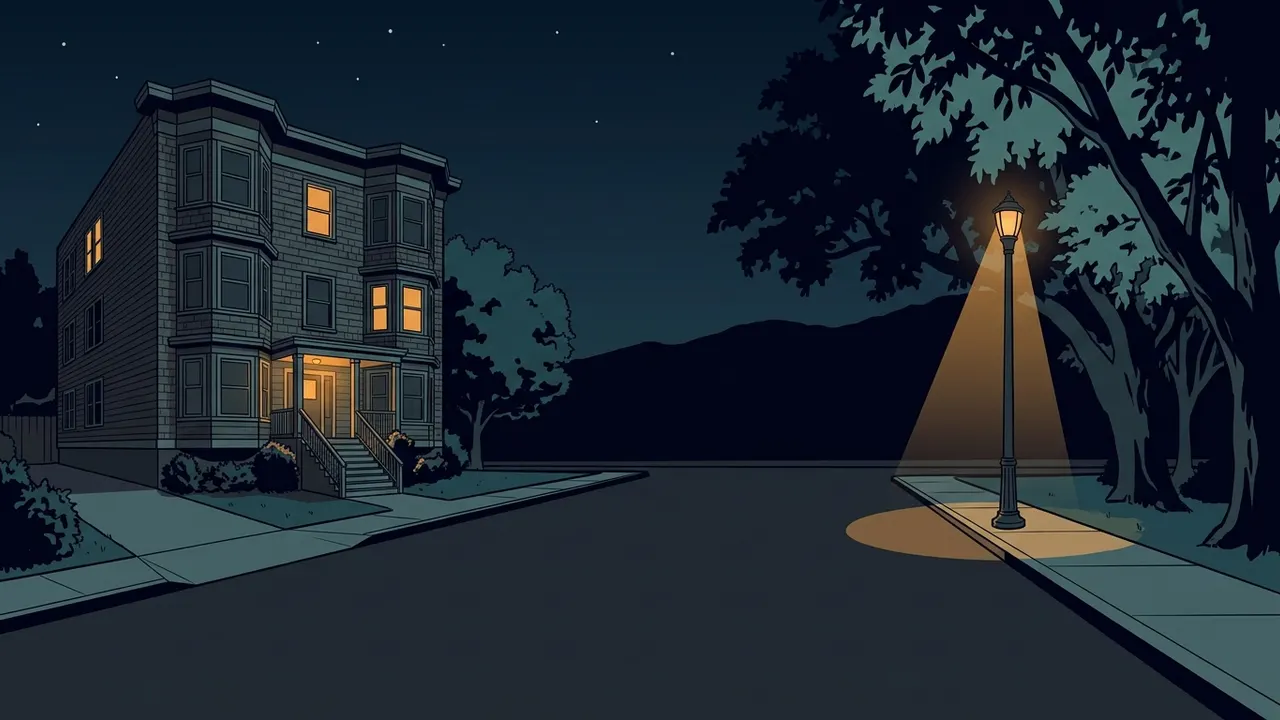
At around 9 pm on February 4, 1974, there was a knock at the door of an apartment on Benvenue Street in Berkeley. An armed group of men and women burst in, beat the fiancé and carried off Patricia Hearst, a 19-year-old art history student, in the trunk of a car. She was the granddaughter of the press magnate William Randolph Hearst, and the kidnapping became headline news across the country.
The theft of Charlie Chaplin's coffin
Corsier-sur-Vevey, Switzerland, 1978
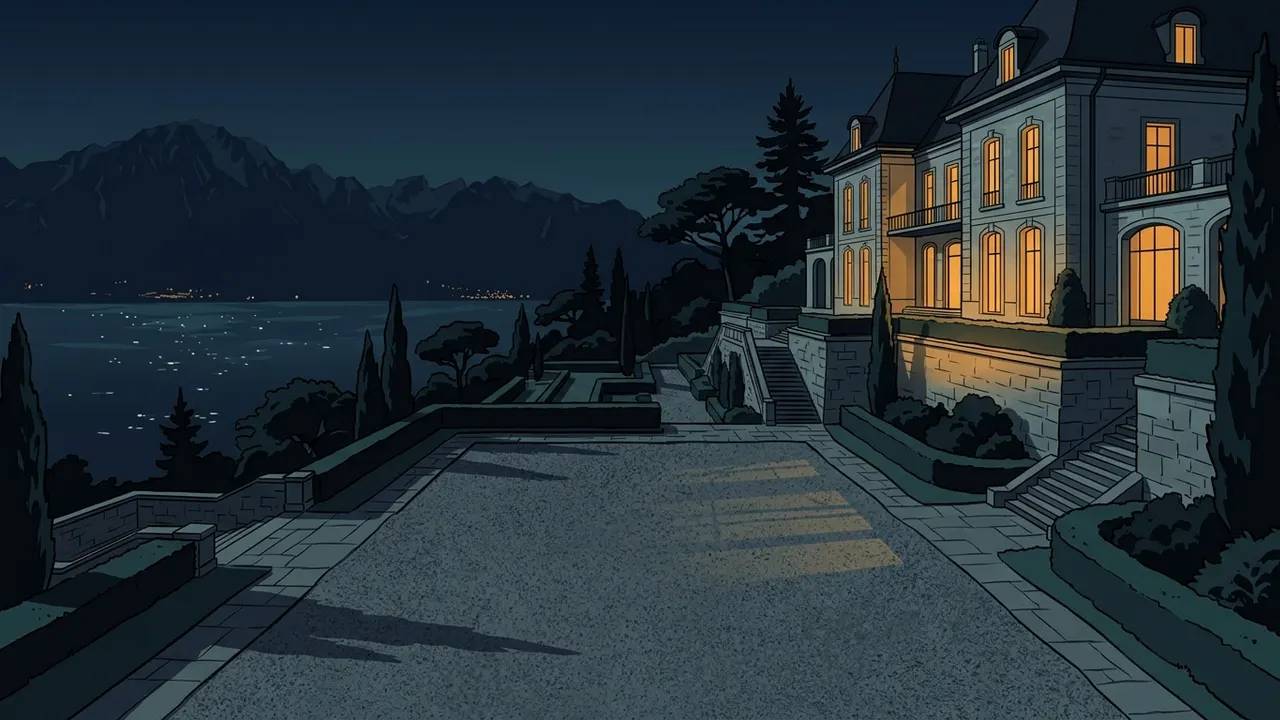
Charlie Chaplin died on Christmas Day 1977, aged 88, at his home in Corsier-sur-Vevey, above Lake Geneva, where he had lived since leaving the United States in 1952. He was buried in the village's small cemetery. On the night of March 1 to 2, 1978, the grave was opened and the coffin vanished.
The kidnapping of Alfredo Di Stéfano
Caracas, Venezuela, 1963
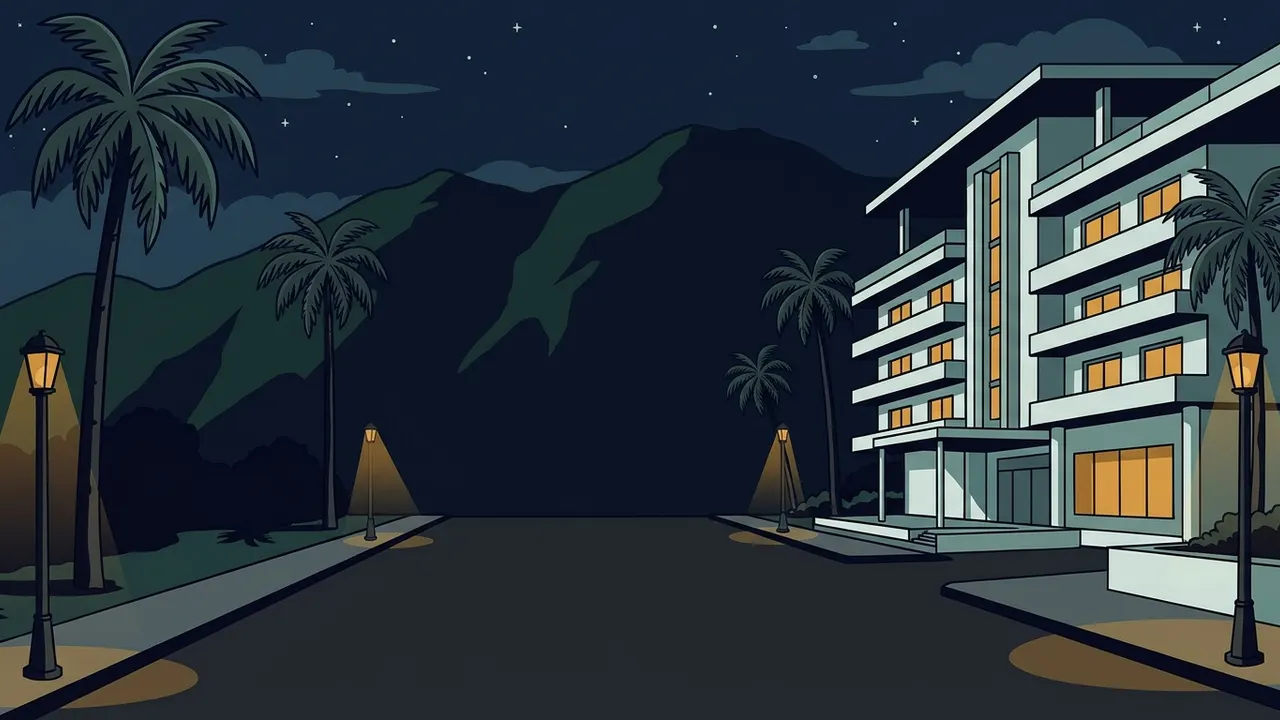
In August 1963, Real Madrid was in Caracas to play in the Small Club World Cup, a friendly tournament with Porto, São Paulo and Millonarios, and was staying at the Hotel Potomac, in the San Bernardino district. Shortly before 6 am on Saturday, August 24, the front desk called the room that the Argentine Alfredo Di Stéfano shared with defender José Santamaría to say that policemen were waiting. He thought it was a mistake and did not go down. Soon afterwards there was a knock at the door: a hotel employee and three men who introduced themselves as policemen took him away.
The kidnapping of Juan Manuel Fangio
Havana, Cuba, 1958
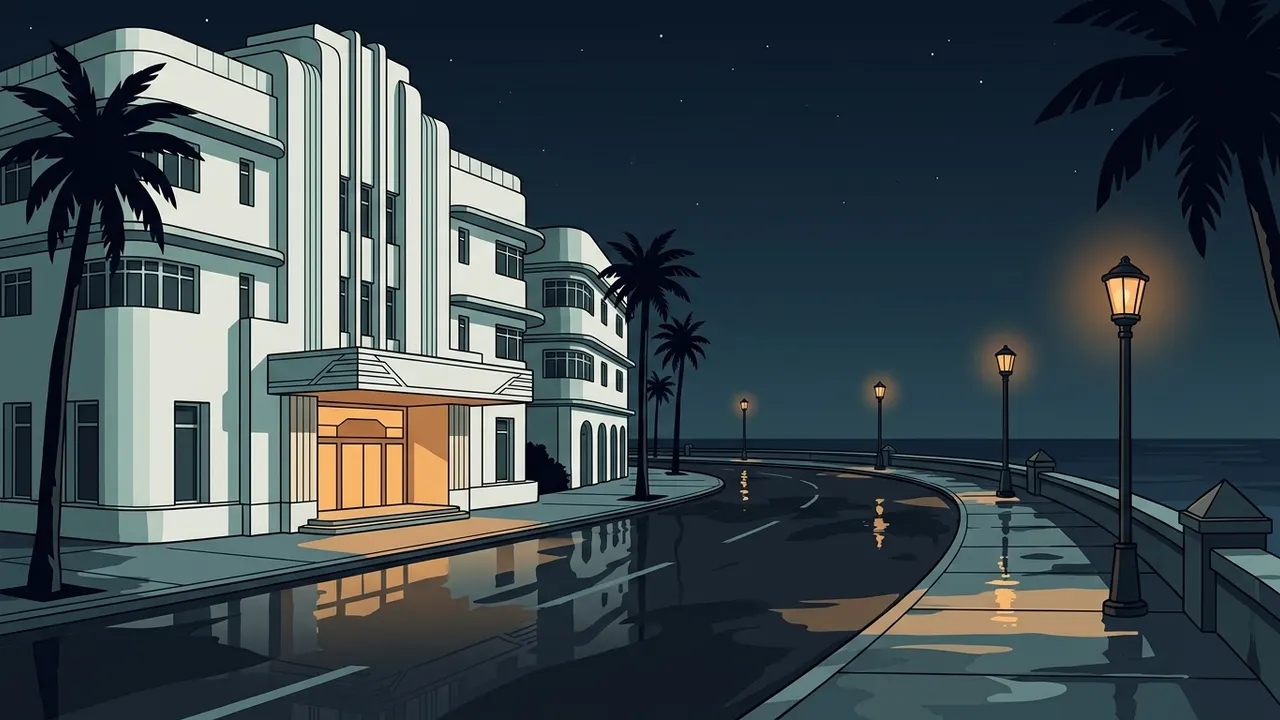
In 1957, Fulgencio Batista's government created the Cuban Grand Prix, a sports car race on a street circuit along Havana's Malecón, to attract tourists, mostly from the United States. The Argentine Juan Manuel Fangio, five-time Formula 1 world champion, won the first edition and returned in 1958 with the official Maserati team, setting the fastest times in practice.
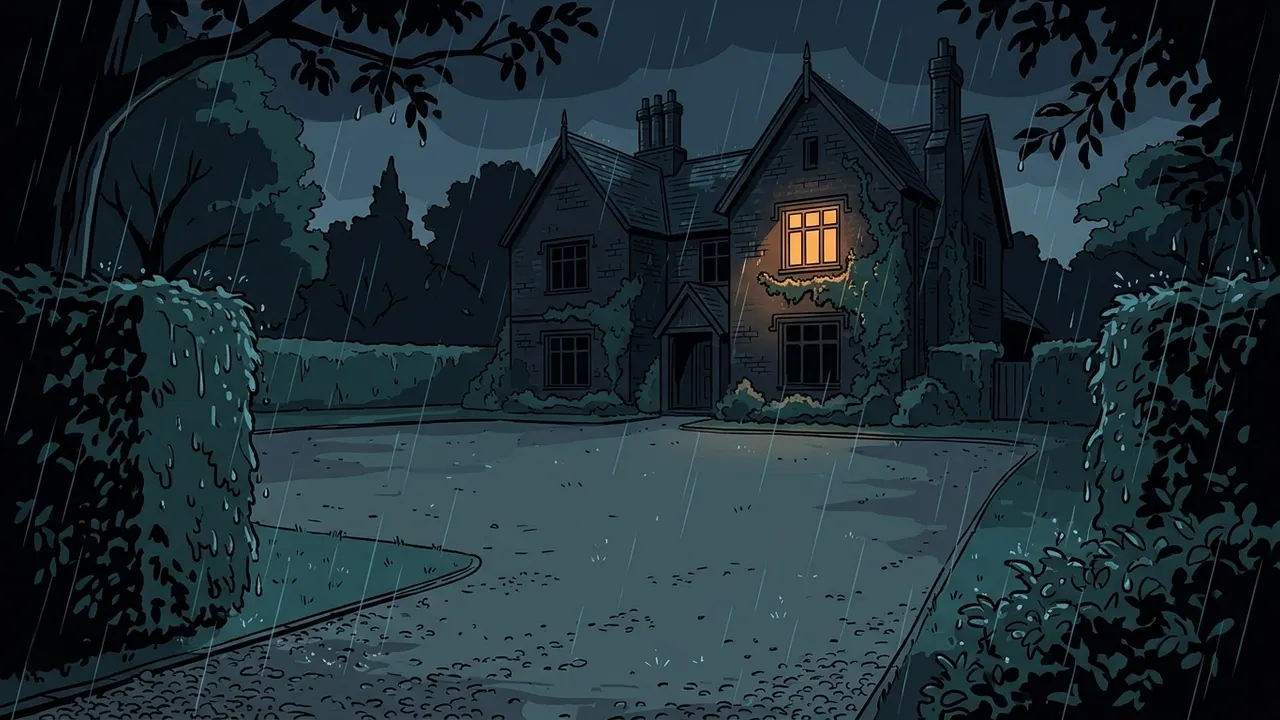
The disappearance of Agatha Christie
Surrey and Yorkshire, England, 1926
In August 1926, a few months after her mother's death, the writer Agatha Christie, then 36 and already well known for her detective novels, was told by her husband, Archibald Christie, that he had fallen in love with another woman, Nancy Neele, and wanted a divorce. On Friday, December 3, 1926, the two quarrelled at home in Sunningdale, in the county of Berkshire, and he left to spend the weekend with friends, in a party that included his mistress. Late that night, Agatha drove away and did not return.

The D. B. Cooper hijacking
Oregon and Washington, United States, 1971
On the afternoon of November 24, 1971, the eve of Thanksgiving, a man who registered as "Dan Cooper" paid cash for a one-way ticket on Northwest Orient flight 305 from Portland to Seattle. He wore a dark suit, white shirt and black tie, sat in seat 18E, in the last row, and shortly after takeoff handed a flight attendant a note saying he had a bomb in his briefcase. He showed wires and red cylinders and asked for $200,000 in $20 bills and four parachutes.
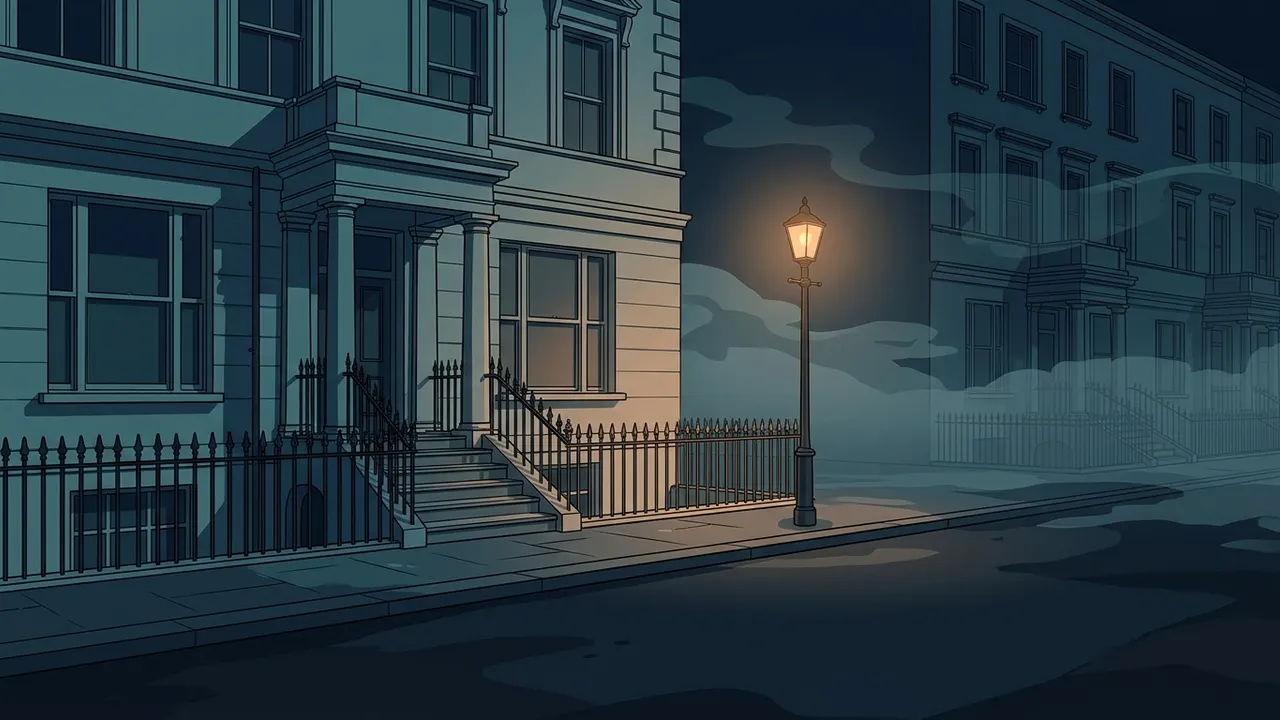
Lord Lucan and the death of the nanny
London, England, 1974
On the night of Thursday, November 7, 1974, Sandra Rivett, 29, nanny to the Earl of Lucan's three children, was beaten to death in the basement kitchen of the countess's house at 46 Lower Belgrave Street, in Belgravia, London. The body was found in a canvas sack, near a bloodstained lead pipe, and the bulb on the basement stairs had been taken out of its socket and left on a chair. Sandra usually had Thursdays off, but that week she had swapped her night off.
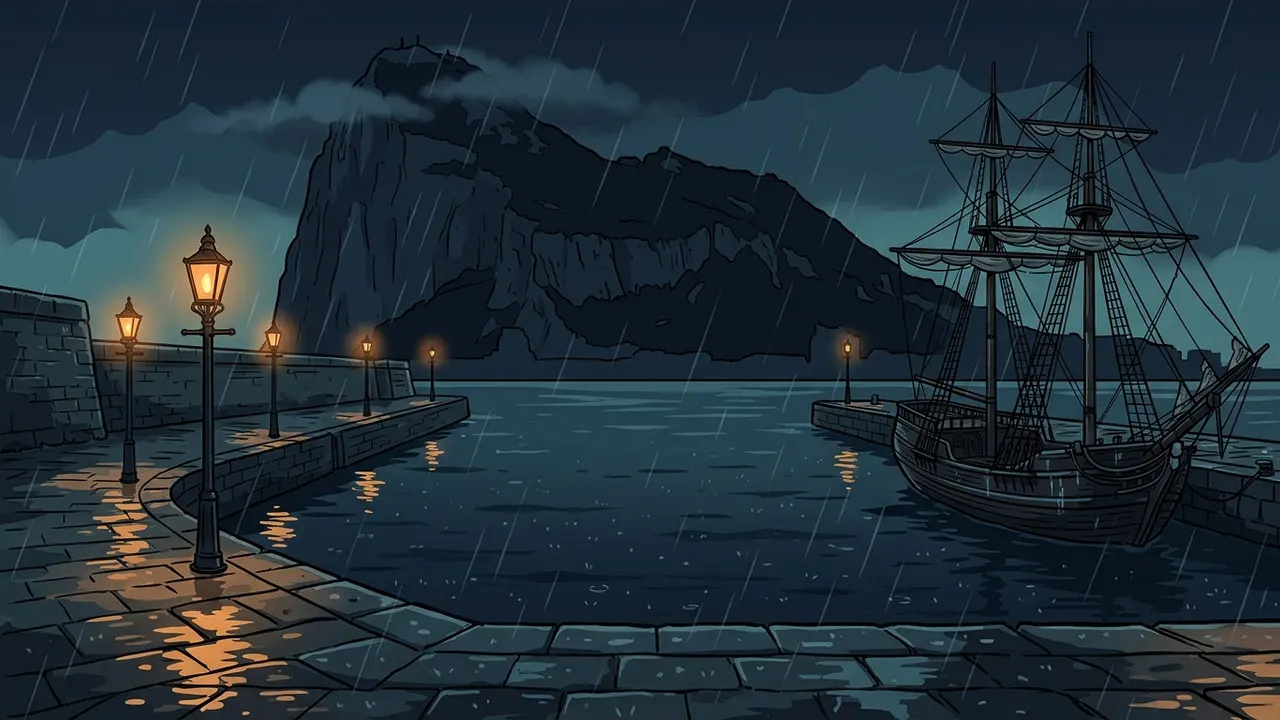
The Mary Celeste
Atlantic Ocean, 1872
On November 7, 1872, the American brigantine Mary Celeste left the port of New York bound for Genoa, Italy, with 1,701 barrels of alcohol. On board were Captain Benjamin Briggs, his wife, their two-year-old daughter and seven crew members. On December 4, the Canadian brigantine Dei Gratia, which had left New York eight days later by a similar route, sighted the ship adrift between the Azores and the coast of Portugal: seaworthy, with part of her sails set, plenty of provisions, the cargo intact and the belongings in place, but with nobody aboard and without her only boat.
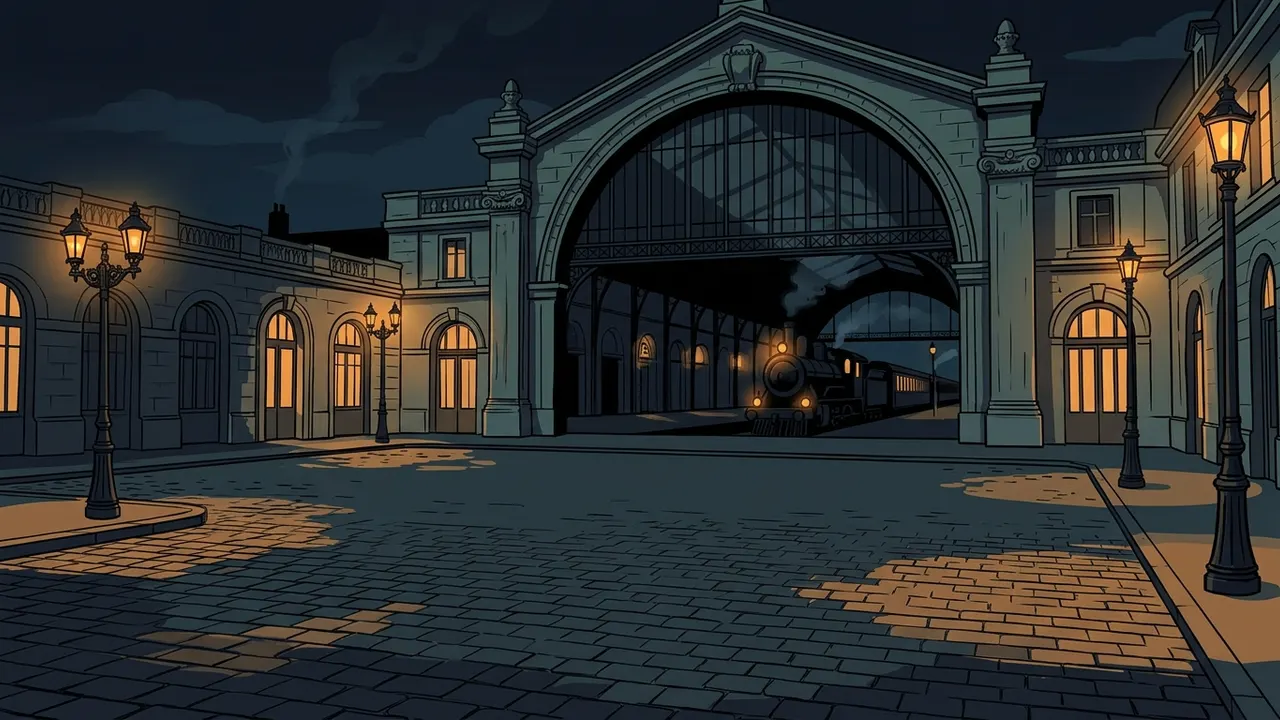
The disappearance of Louis Le Prince, the cinema pioneer
Dijon, France, 1890
Louis Aimé Augustin Le Prince, born in Metz in 1841, moved to Leeds, England, in 1866 and married the artist Elizabeth Whitley. After a sixteen-lens camera patented in 1888, he built a single-lens camera and, on October 14, 1888, filmed in the garden of his wife's family in Roundhay the oldest known sequence of moving images; soon after, he filmed traffic on Leeds Bridge. He planned to show the invention in public in New York, where his wife and children were.
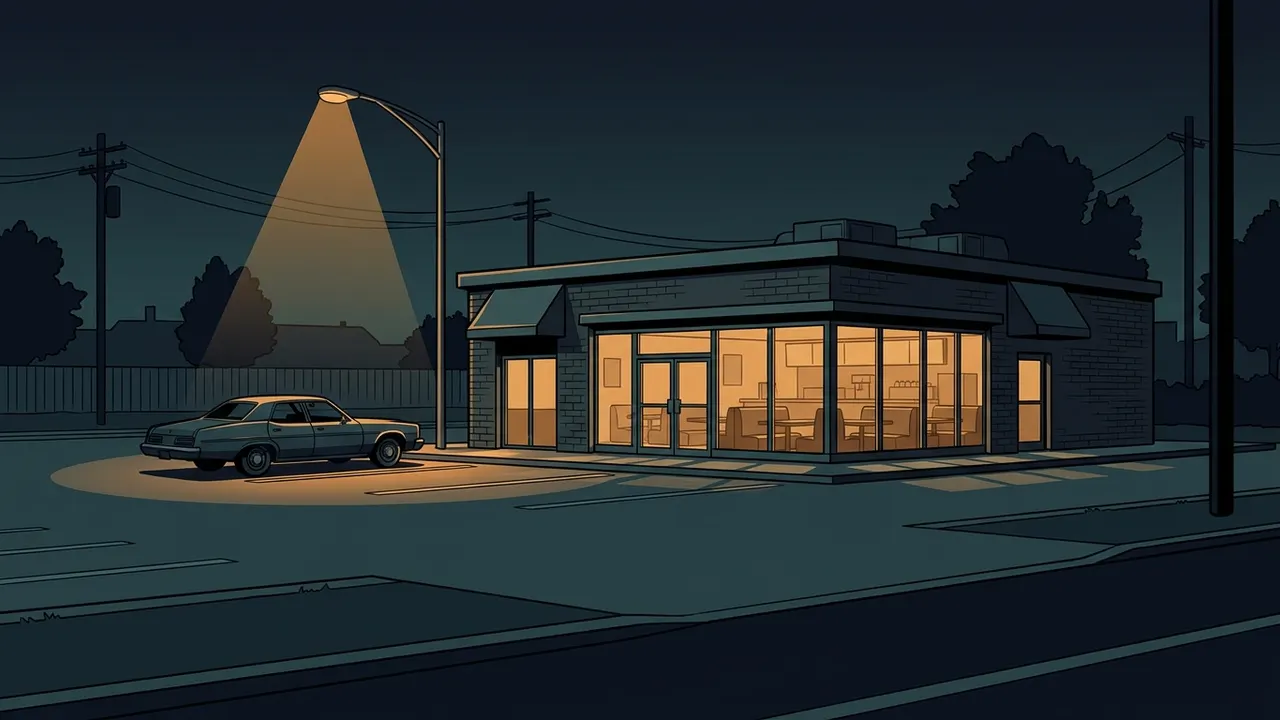
The disappearance of Jimmy Hoffa
Bloomfield Township, Michigan, United States, 1975
James Riddle Hoffa was president of the International Brotherhood of Teamsters, the truckers' union, from 1957 to 1971, when it was the largest union in the United States. Convicted in 1964 of trying to bribe a juror and of pension fund fraud, he went to prison in 1967. In December 1971 President Richard Nixon commuted his sentence on the condition that he not run any union until 1980. Hoffa challenged the condition in court, lost, and still tried to win back the presidency, against the will of mob bosses who held influence over the union and its pension fund.
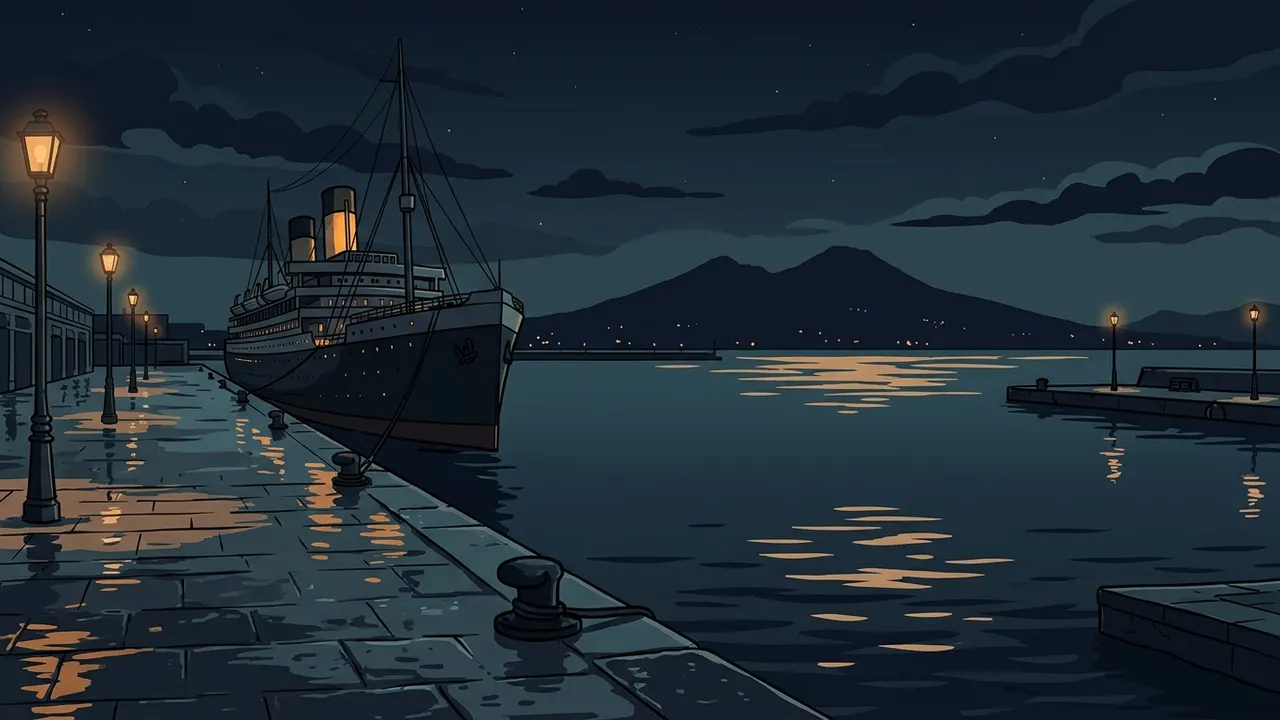
Ettore Majorana and the Naples ferry
Naples and Palermo, Italy, 1938
Ettore Majorana, born in Catania in 1906, was one of the physicists in Enrico Fermi's group in Rome, the so-called “Via Panisperna boys,” and had predicted particles that now bear his name. In 1938, aged 31, he was appointed professor of theoretical physics at the University of Naples without a competition, for the “high fame” he already had. A recluse since his return from Germany in 1933, he lived in a hotel on Via Depretis and spoke little with colleagues.
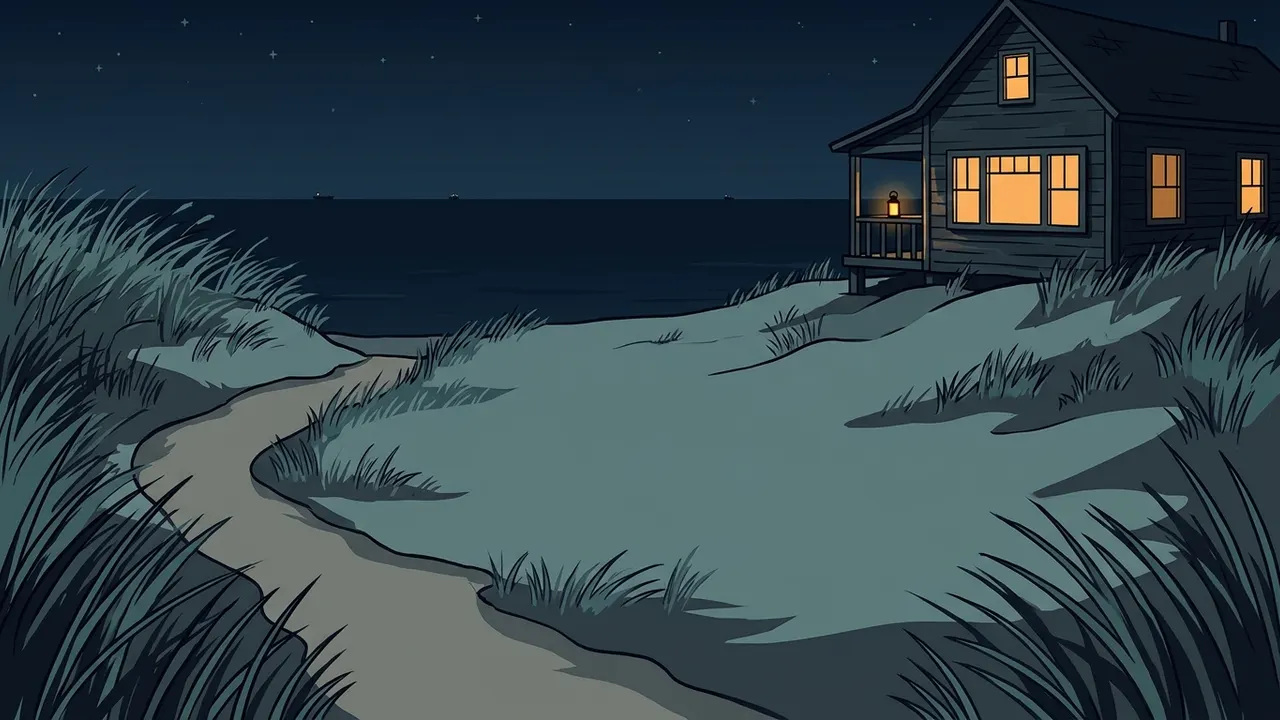
The disappearance of Harold Holt, prime minister of Australia
Portsea, Victoria, Australia, 1967
On Sunday, December 17, 1967, Australian prime minister Harold Holt, 59, was spending the weekend in Portsea, on the Mornington Peninsula. Around 12:15 p.m. he went for a swim at Cheviot Beach, facing Bass Strait, despite the heavy surf and visible currents. With him were Marjorie Gillespie, a neighbor and close friend (years later she would confirm that the two were having an affair), her daughter and two family friends. Within minutes the water carried him away from the shore, and he vanished in the foam.
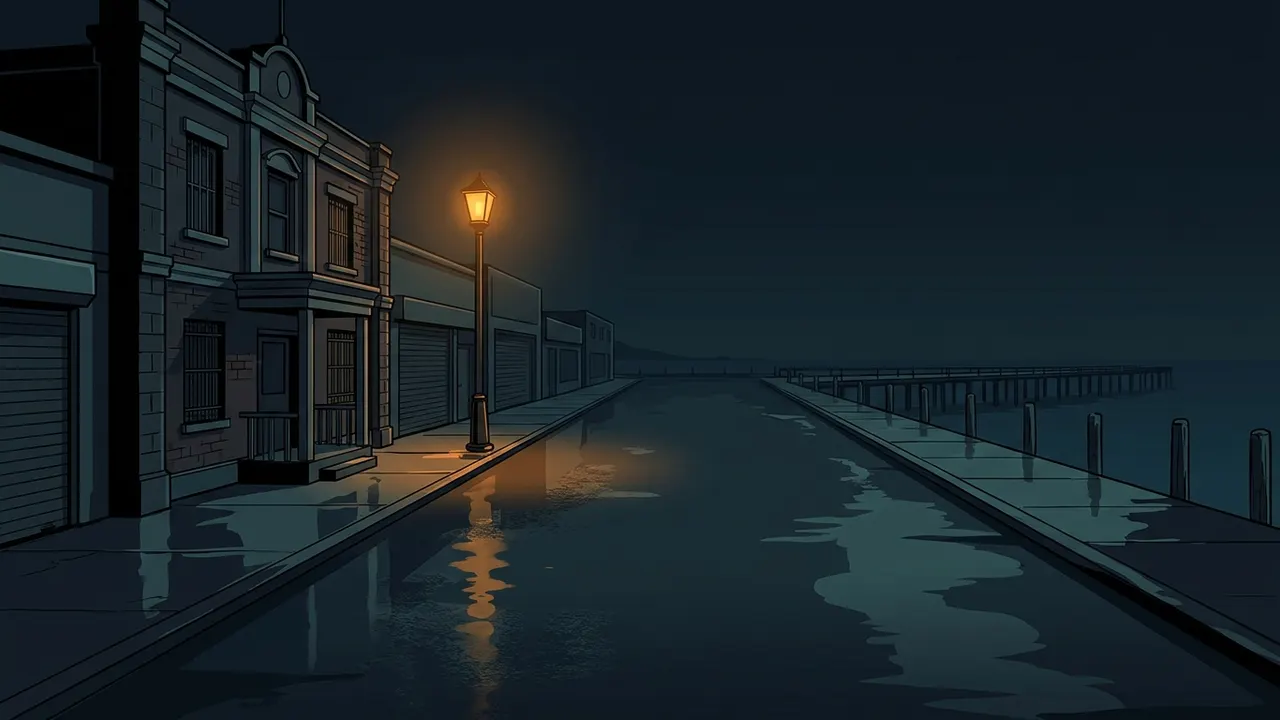
The Somerton Man and the "Tamám Shud" slip
Adelaide, Australia, 1948
At about 6:30 am on December 1, 1948, police were called to Somerton Park beach, near Glenelg, south of Adelaide: a couple had found a dead man propped against the seawall, legs stretched out and feet crossed, with a half-smoked cigarette in the collar of his jacket. He wore no hat and carried no wallet or papers, and every label had been torn from his clothes. The night before, people passing the spot had seen a similar man lying in the same position, motionless.
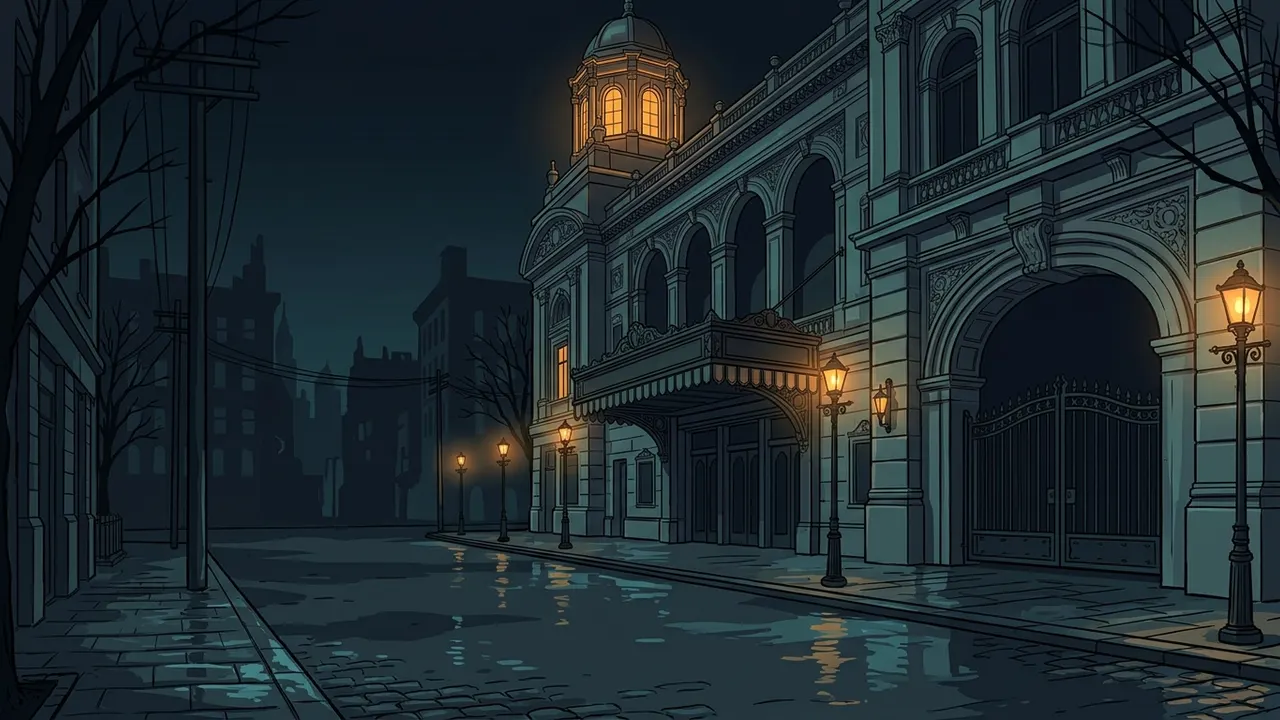
The murder of Stanford White at Madison Square Garden
New York, June 1906
On the night of June 25, 1906, during the opening of the musical revue Mam'zelle Champagne in the rooftop theater of Madison Square Garden, the architect Stanford White, designer of the building itself, was shot dead three times at point-blank range in front of the audience. The gunman was Harry Kendall Thaw, heir to a coal and railroad fortune from Pittsburgh, who had spent the night in a black overcoat despite the stifling heat. For a moment, part of the audience thought the shots were part of the show.

The death of William Desmond Taylor
Los Angeles, United States, 1922
On the morning of Thursday, February 2, 1922, the servant Henry Peavey found the film director William Desmond Taylor, 49, dead in his bungalow at Alvarado Court in Westlake. Born in Ireland, Taylor had directed about sixty silent films. A man who introduced himself as a doctor examined the body briefly, declared a stomach hemorrhage and was never seen again. Only when investigators turned the body over did a gunshot wound in the back appear, from a small-caliber weapon that was not at the scene. The death was placed at around 7:50 pm the night before, and his wallet with $78, his watch and a diamond ring were still on him.
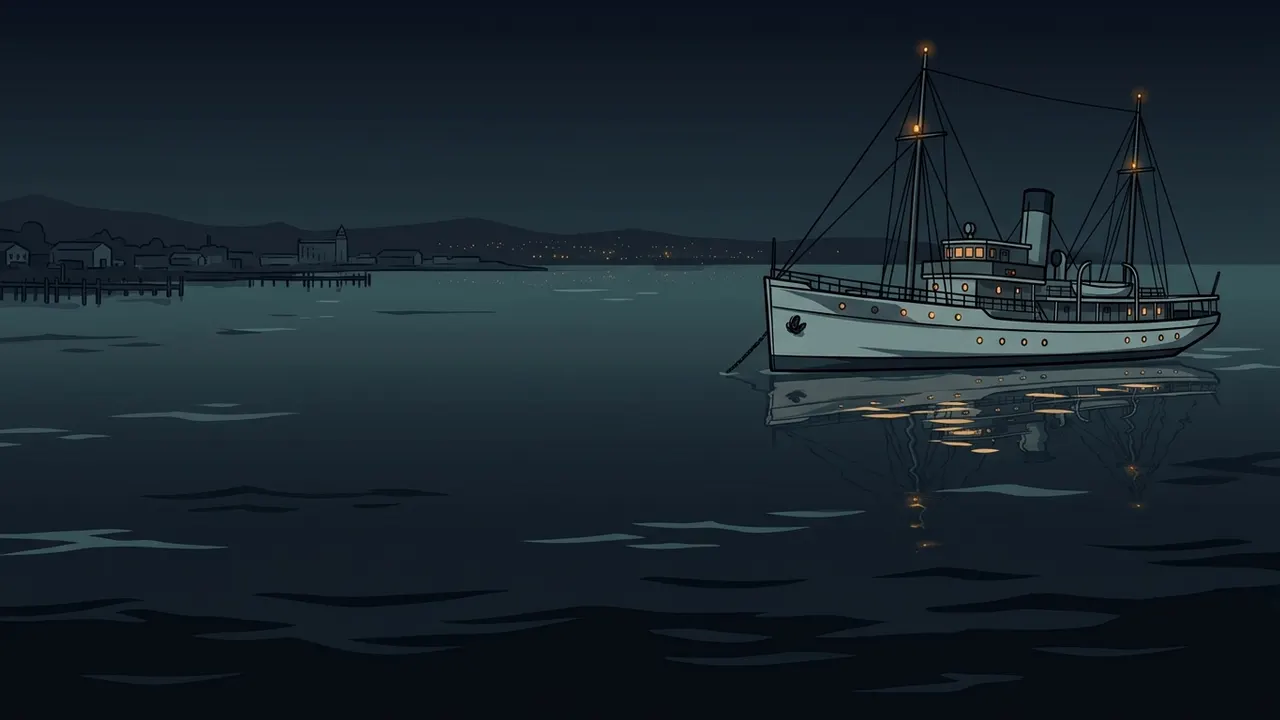
The death of Thomas Ince
California, United States, 1924
In November 1924, press tycoon William Randolph Hearst invited producer and director Thomas H. Ince, one of the pioneers of the Hollywood studios, on a weekend cruise aboard the yacht Oneida. The trip celebrated Ince's birthday and was meant to seal a deal under which Hearst's Cosmopolitan Productions would lease his studio. Ince boarded in San Diego on Sunday, November 16, and joined the guests, among them the writer Elinor Glyn.
The death of Roberto Calvi, "God's banker"
London, United Kingdom, 1982
On the morning of Friday, June 18, 1982, at around 7:30 am, a postal worker found the Italian banker Roberto Calvi, 62, hanging from a rope on the scaffolding under Blackfriars Bridge in London. In his pockets he had bricks and about 14 thousand dollars in three different currencies. Chairman of the Banco Ambrosiano of Milan, tied through business to the Vatican bank and to the clandestine Masonic lodge P2, Calvi had fled Italy days earlier on a forged passport in the name of Gian Roberto Calvini and was hiding in a flat in Chelsea.

The assassination of Olof Palme
Stockholm, Sweden, 1986
On the night of Friday, February 28, 1986, Sweden's prime minister, Olof Palme, 59, dismissed his bodyguards and went to the Grand cinema with his wife, Lisbet. Walking home along Sveavägen at 11:21 pm, he was shot in the back at the corner of Tunnelgatan and died almost at once. A second shot grazed Lisbet. The gunman fled up the Tunnelgatan staircase and vanished. The weapon was never found; judging by the two bullets passersby picked up from the sidewalk, it was a .357 Magnum revolver.
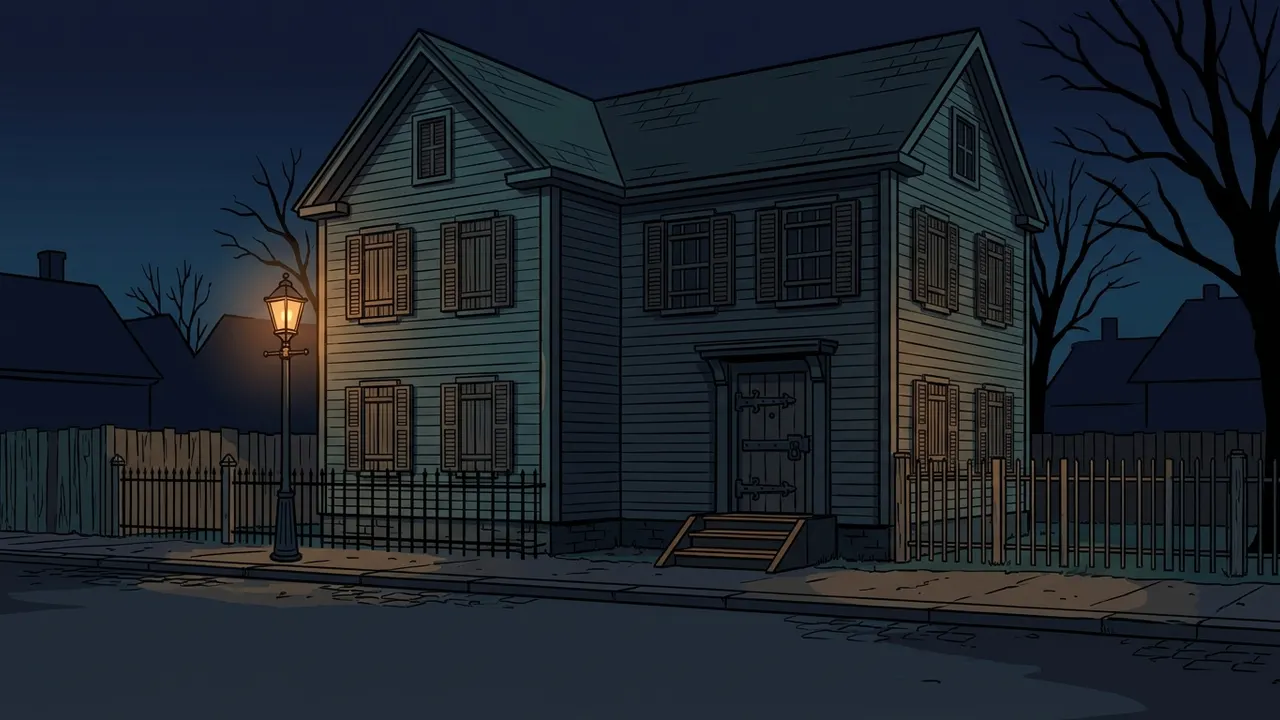
The murders of Andrew and Abby Borden
Fall River, Massachusetts, August 1892
On the morning of August 4, 1892, the merchant and banker Andrew Borden and his second wife, Abby, were killed with a cutting instrument, probably a hatchet, inside their home in Fall River. Abby died at about 9:30 a.m. in the upstairs guest room; Andrew at about 11, on the sofa in the sitting room. The maid, Bridget Sullivan, was washing windows and later resting in her attic room. The younger daughter, Lizzie Borden, 32, said her stepmother had gone out after receiving a note from a sick woman (the note never turned up) and that she herself had been in the barn at the time of her father's death.
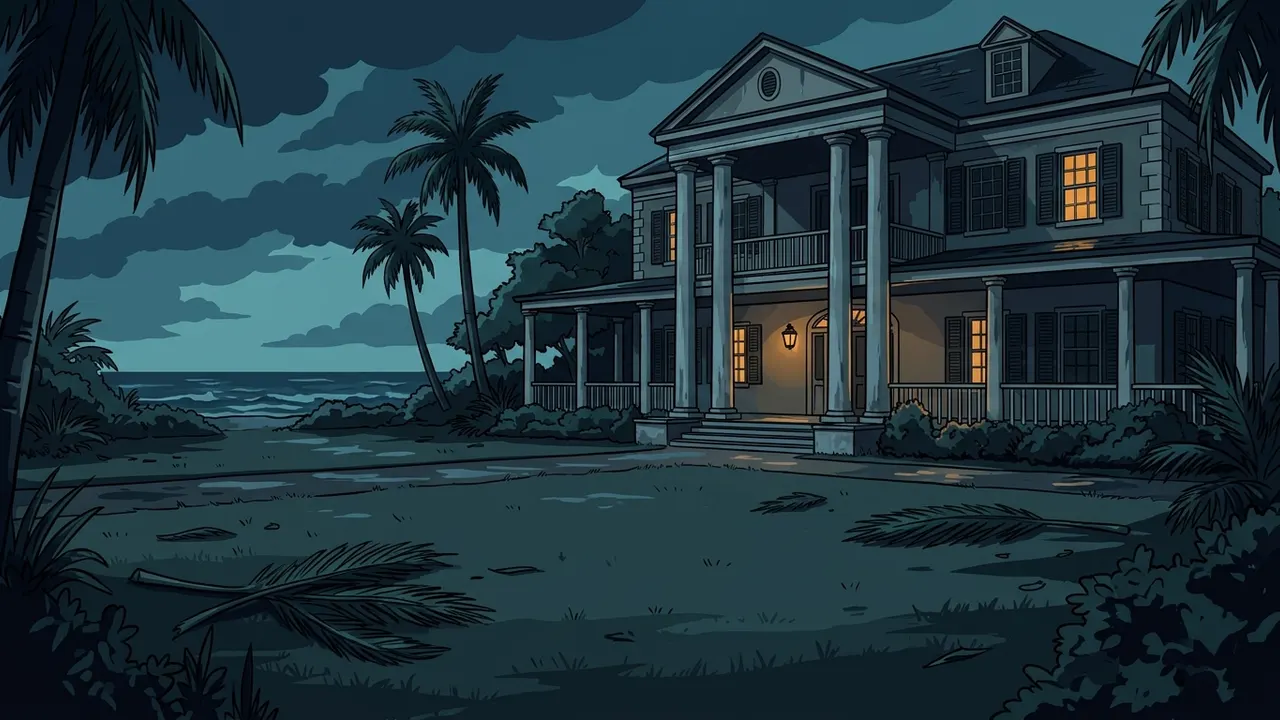
The murder of Sir Harry Oakes
Nassau, Bahamas, 1943
In the early hours of July 8, 1943, during a violent storm, Sir Harry Oakes, 68, was killed in his bed at Westbourne, his mansion at Cable Beach on the island of New Providence. American-born, Oakes had become a millionaire through the Lake Shore gold mine in Kirkland Lake, Canada, was granted a British baronetcy and moved to the Bahamas, where he became one of the most powerful men in the colony. He was struck four times behind the left ear; the body was then burned with insecticide and covered in pillow feathers, which the bedroom fan was still scattering when he was found.

The murder of Bob Crane
Scottsdale, United States, 1978
On the afternoon of June 29, 1978, the actor Bob Crane, 49, star of the comedy series "Hogan's Heroes," was found dead in apartment 132A of the Winfield Place complex in Scottsdale, Arizona, where he was staying during the run of the play "Beginner's Luck" at the Windmill Dinner Theatre. He was found by his castmate Victoria Ann Berry, after he missed an appointment. Crane had been beaten to death about the head, and an electrical cord was tied around his neck, with no signs of strangulation. The weapon was never found; investigators believed it was a camera tripod.
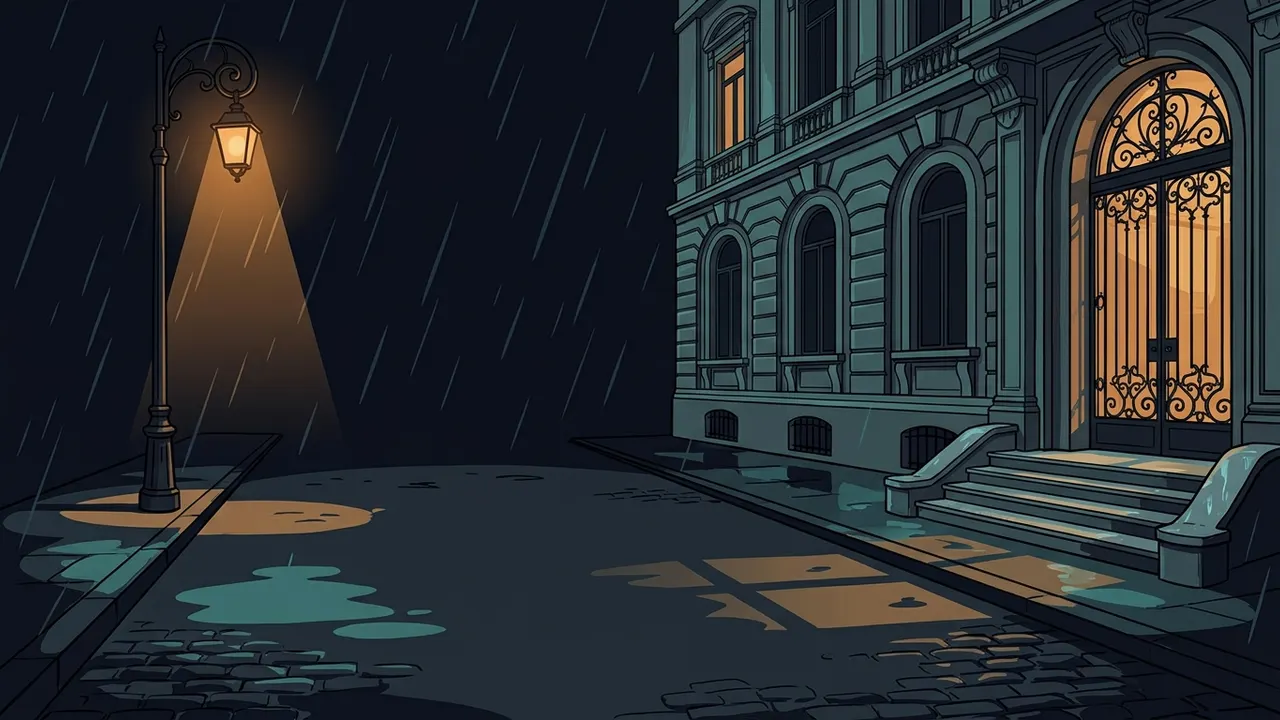
The murder of Maurizio Gucci
Milan, Italy, 1995
On the morning of Monday, March 27, 1995, at around 8:30, Maurizio Gucci, 46, grandson of the founder of the fashion house, was shot dead in the lobby of the building at Via Palestro 20 in Milan, where his company had its offices. He had walked there from his home on Corso Venezia. A man fired four times at him, wounded the doorman Giuseppe Onorato and fled in a green Renault Clio driven by an accomplice. Two years earlier, in 1993, Gucci had sold his last shares in the family company to the investment fund Investcorp.
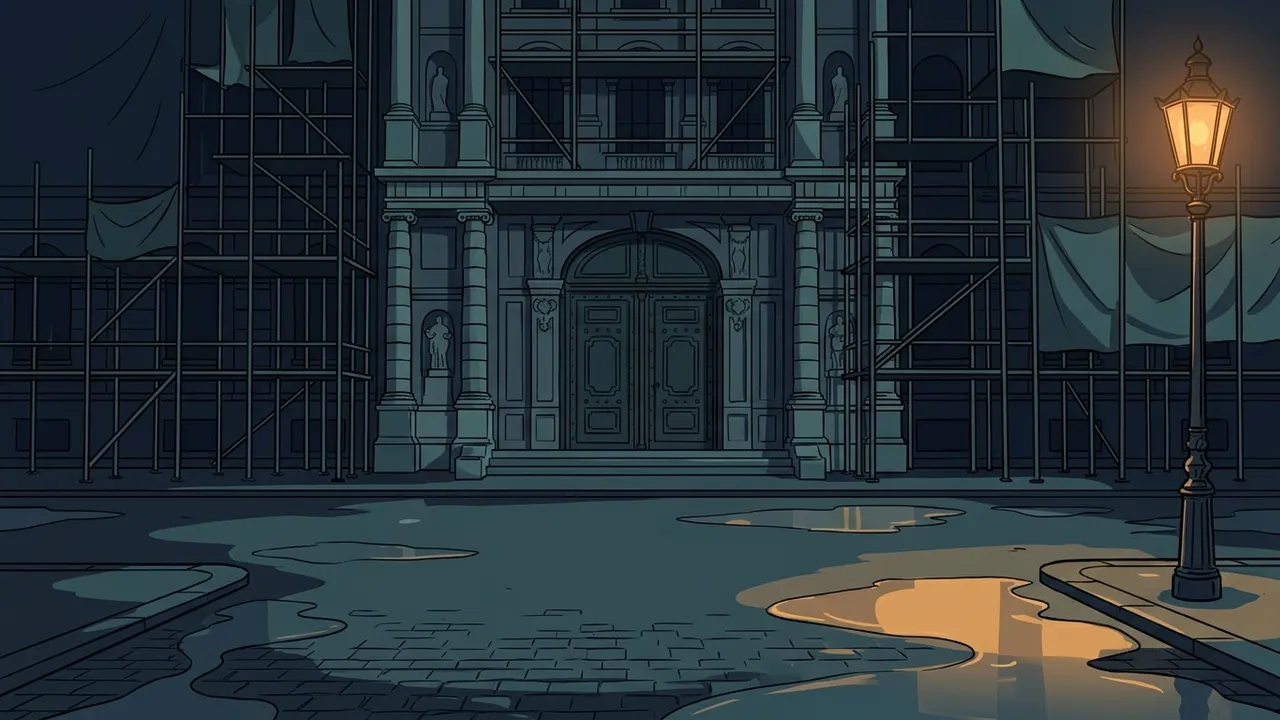
The Cellini Salt Cellar theft
Vienna, Austria, 2003
In the early hours of 11 May 2003, a man crossed the building site of the renovation at the Kunsthistorisches Museum in Vienna, entered through a window and took from a display case the Saliera, the gold and enamel salt cellar that the goldsmith Benvenuto Cellini finished in 1543 for King Francis I of France, one of the most valuable pieces in the museum. The alarm went off, but the guard responsible took it for a false alarm, and the theft was only discovered around 8:20 am.
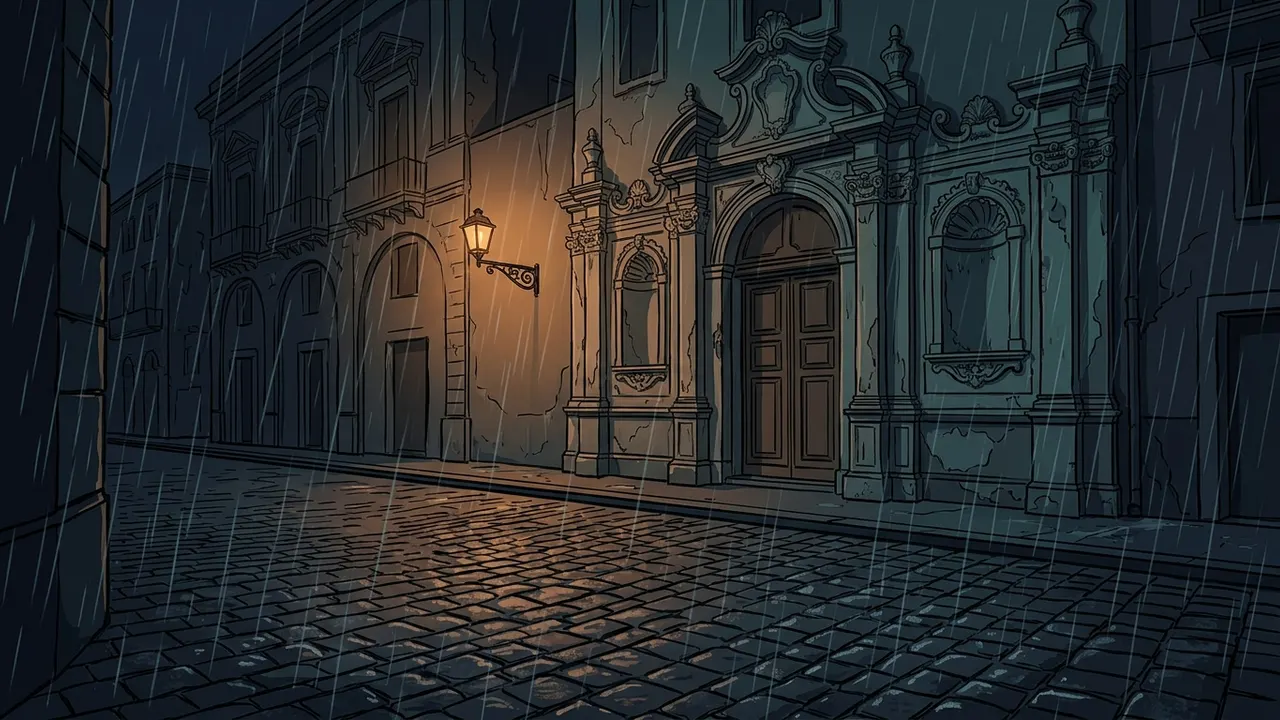
The theft of Caravaggio's Nativity
Palermo, Italy, 1969
On the night of October 17 to 18, 1969, thieves entered the Oratory of San Lorenzo in Palermo and took the "Nativity with Saint Francis and Saint Lawrence", a Caravaggio canvas of around 1600, almost 2.7 meters tall, which hung above the altar. The oratory had no security system. The canvas was cut with a blade flush with its edges, separated from the frame, and the theft was only noticed on the afternoon of October 18, by one of the caretakers of the place.
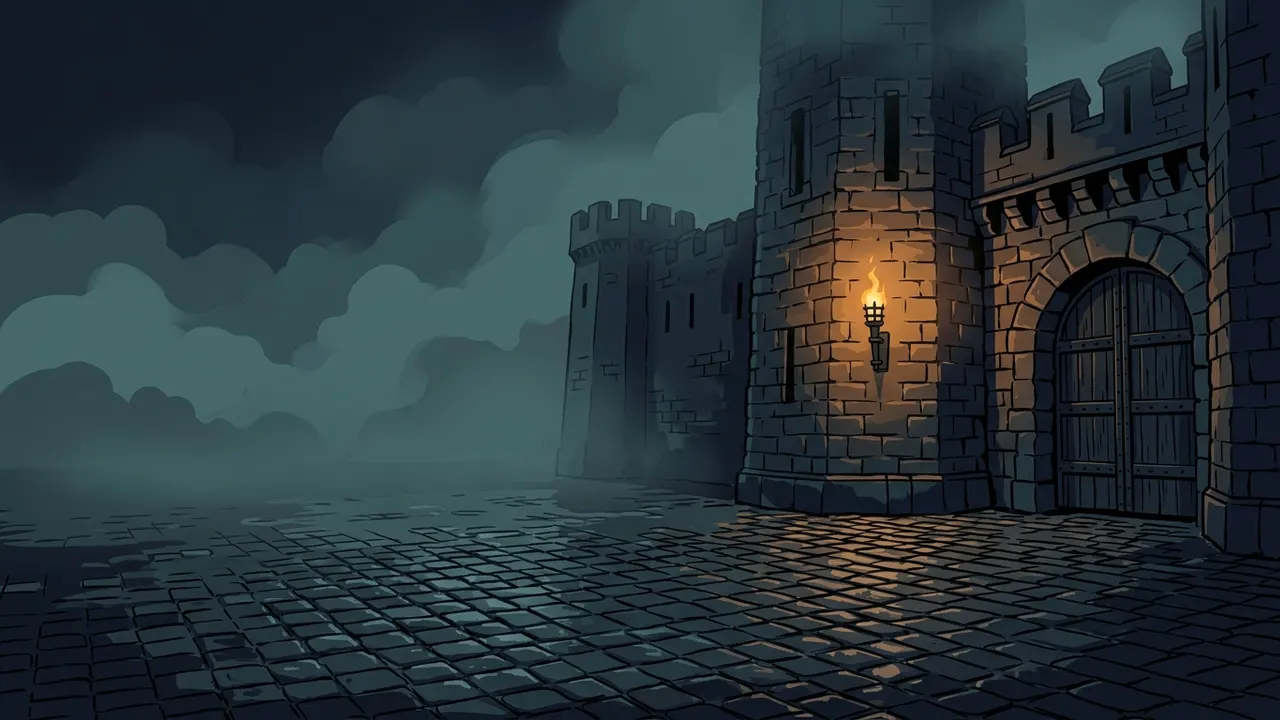
The theft of the Crown Jewels
London, England, 1671
In the spring of 1671, the Irish adventurer Thomas Blood, who had lost lands in Ireland after the return of Charles II to the throne, began visiting the Jewel House at the Tower of London disguised as a parson. He befriended the keeper, Talbot Edwards, then 77, who lived with his family above the jewels and showed them to visitors for a small fee. Blood gave the keeper's wife a gift of gloves and proposed the marriage of a supposed nephew to the couple's daughter.
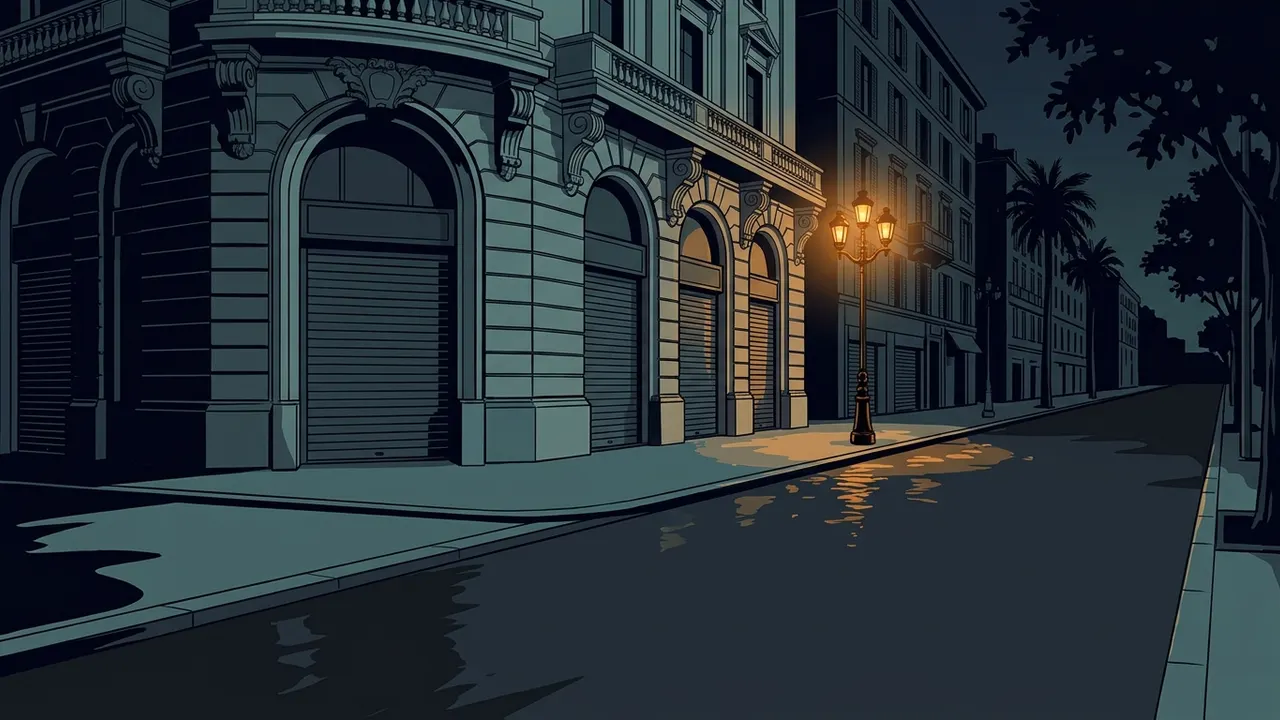
The Nice sewer heist on the Société Générale
Nice, France, 1976
Over the long mid-July weekend of 1976, a gang of about ten men entered the vault room of the Société Générale branch in Nice from underground. For about two months the group dug a tunnel of roughly 8 meters from one of the city's sewer galleries, bringing their equipment in a van and an inflatable boat, and finally broke through the concrete wall of the room.
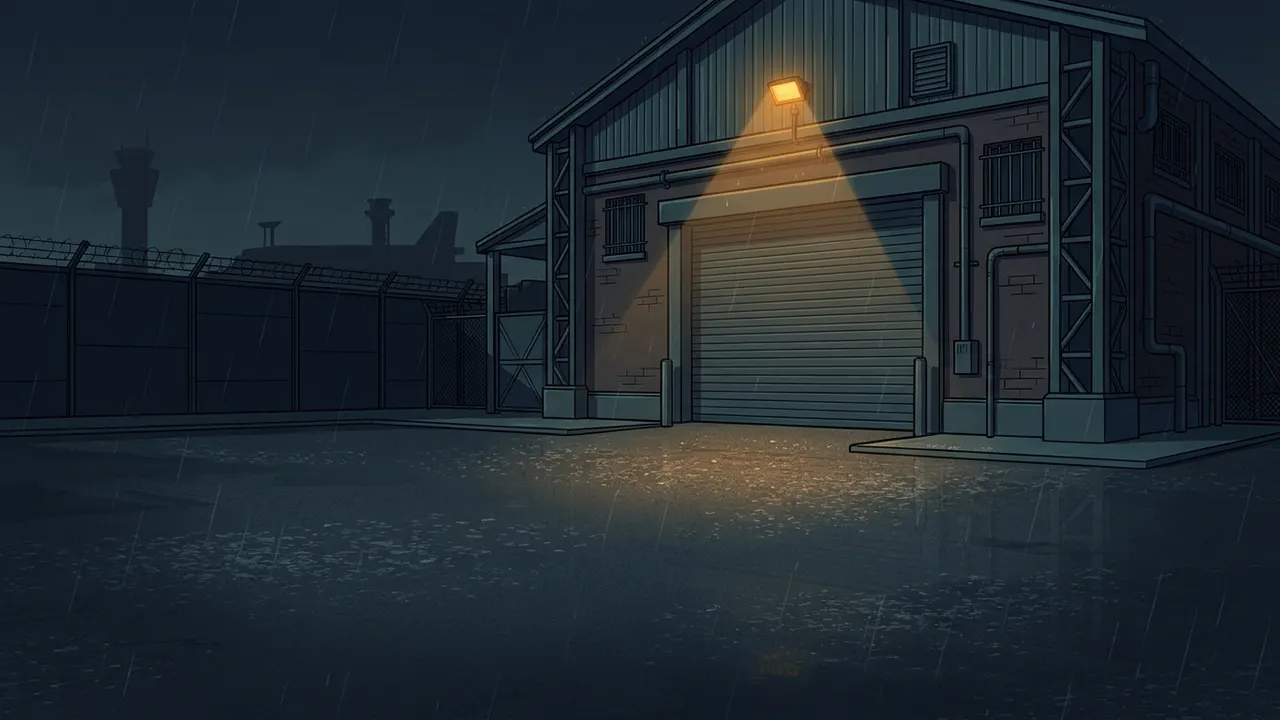
The Brink's-Mat robbery
London, England, 1983
Shortly after 6:40 am on November 26, 1983, six armed men entered the Brink's-Mat security company depot on the industrial estate next to Heathrow airport in London. They overpowered and tied up the guards, poured petrol over them and threatened to set them alight until they got the vault combination. The gang expected to find cash, but found about three tonnes of gold in nearly 6,800 bars, plus diamonds and traveller's cheques, worth 26 million pounds in total, then the biggest robbery in British history.
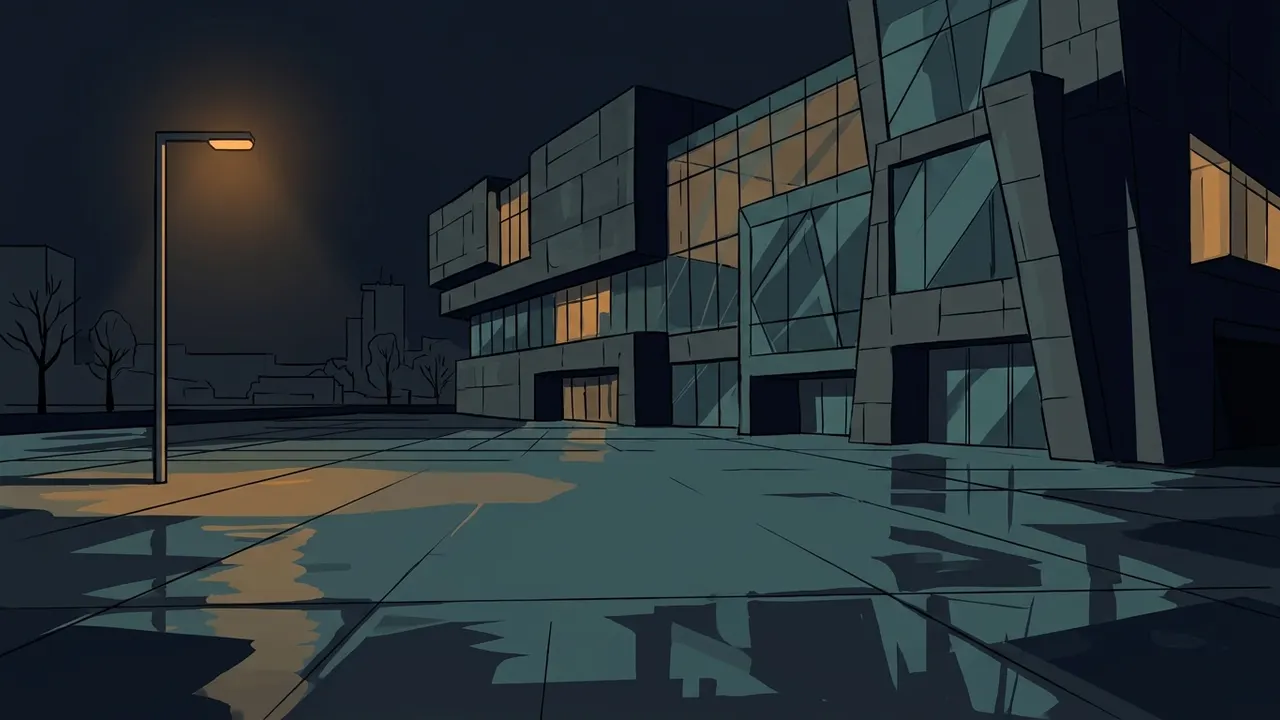
The Kunsthal heist
Rotterdam, Netherlands, 2012
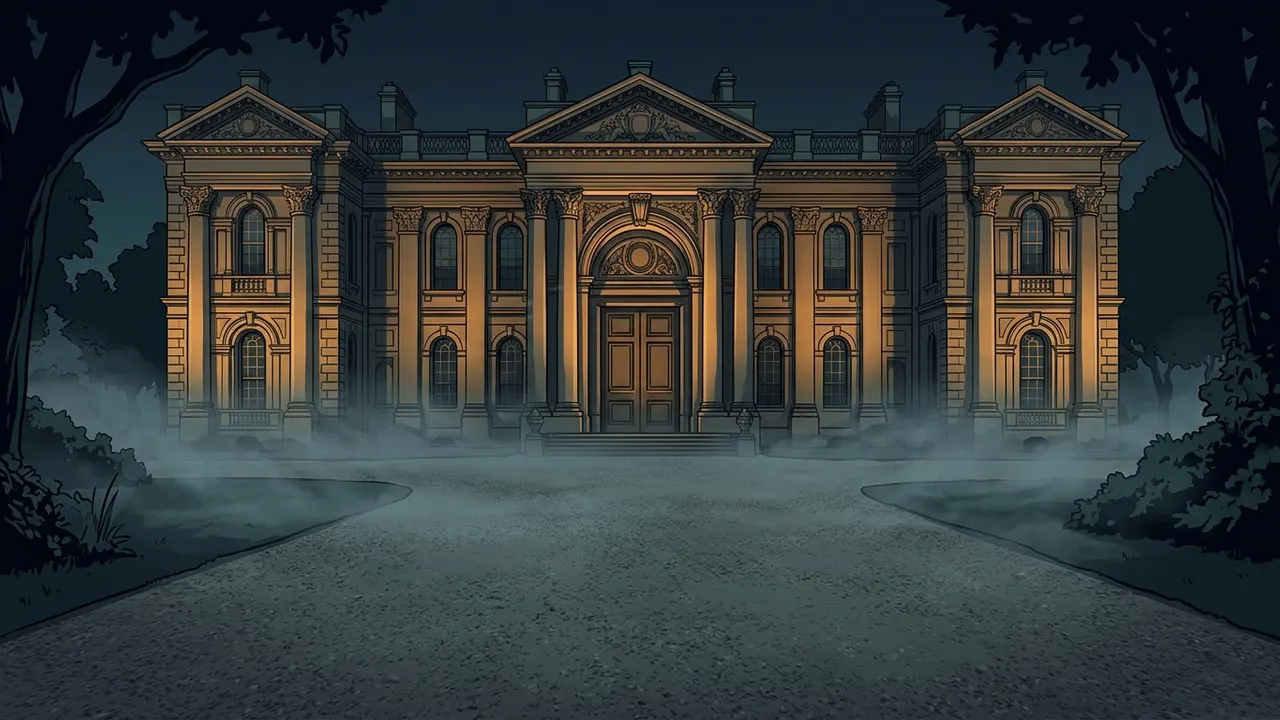
In the early hours of October 16, 2012, at around 3 am, thieves entered through the back of the Kunsthal gallery in Rotterdam, which was celebrating its 20th anniversary with an exhibition of avant-garde works from the Triton Foundation collection. In a few minutes they took seven paintings: two views of London by Claude Monet, Pablo Picasso's Harlequin Head, works by Henri Matisse, Paul Gauguin and Meijer de Haan, and a painting by Lucian Freud. The alarm sounded, but by the time the police arrived they had already fled; the building had no night guard inside, only cameras and an alarm.
The theft of the gold toilet from Blenheim Palace
Oxfordshire, England, 2019
On September 12, 2019, Blenheim Palace, the house where Winston Churchill was born, opened an exhibition by the Italian artist Maurizio Cattelan. The most talked-about piece was “America”, an 18-karat gold toilet weighing about 98 kg, connected to the plumbing and open for visitors to use. In the early hours of September 14, at around 5 am, a gang smashed through the wooden gates with a stolen truck and car, crossed the lawn, broke a window and a door with sledgehammers and ripped out the toilet in about five minutes. The ruptured pipe flooded part of the building.
The Feltham rare book heist
London, United Kingdom, 2017
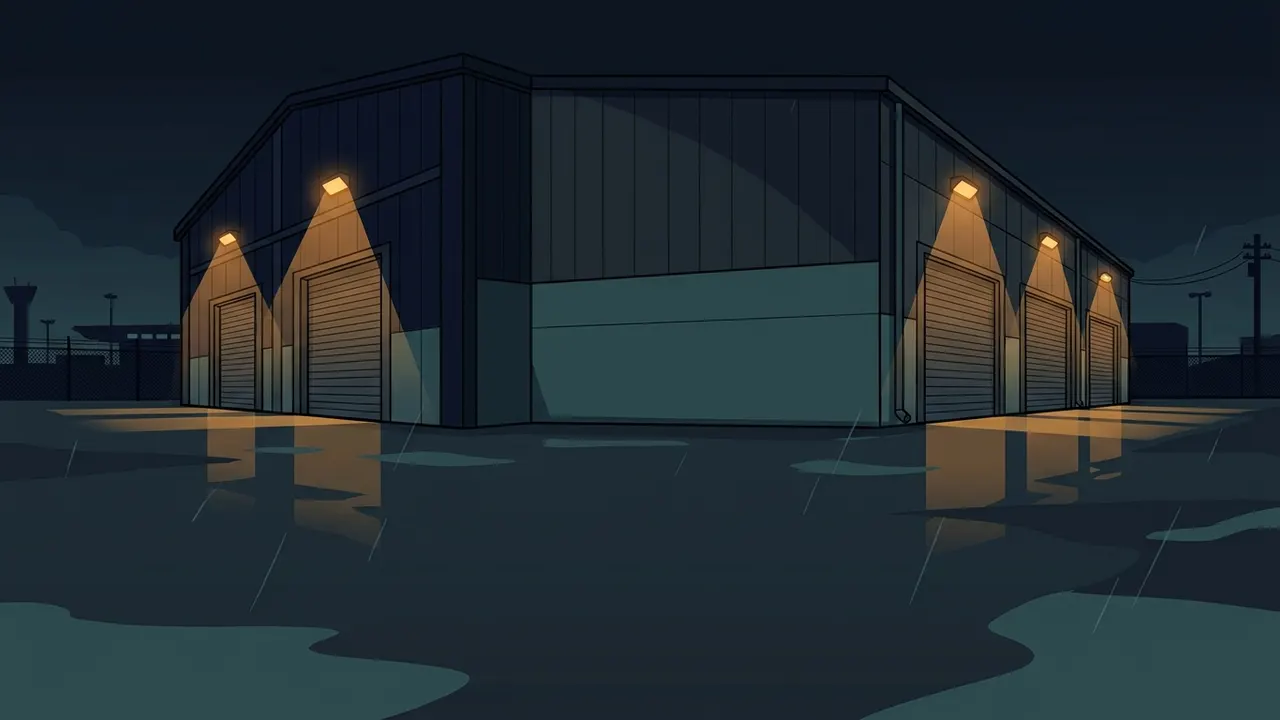
In late January 2017, on the night of 29 to 30 January, a gang climbed onto the roof of a customs cargo warehouse in Feltham, west London, near Heathrow airport. The thieves cut holes in the ceiling and abseiled down ropes so as not to trigger the floor motion sensors. Inside they opened the trunks of three antiquarian booksellers, with books that were to be shipped to the United States.
The kidnapping of Washington Olivetto
São Paulo, Brazil, 2001
In the late afternoon of December 11, 2001, advertising man Washington Olivetto, one of the country's most awarded, was leaving his São Paulo office by car when he was stopped at a fake police checkpoint: men dressed as police overpowered the driver and took him to another car. The crime had been planned for months by a group of Chileans, Argentines and Colombians linked to former guerrilla organizations of South America, and the kidnappers demanded a ransom of 10 million.