
The Glico-Morinaga case and the poisoned sweets
Osaka and Kobe, Japan, 1984
This case is a work of fiction. The characters, names, places and events in the game do not portray real people. The account below is a factual summary, based on public sources, of the case that served as inspiration.
On the night of March 18, 1984, masked men broke into the home of Katsuhisa Ezaki, president of the confectionery maker Ezaki Glico, in Nishinomiya, tied up his wife and daughter and took him away. They demanded one billion yen and one hundred kilos of gold. Three days later, Ezaki managed to escape alone from the warehouse where he was held, in Ibaraki, in the Osaka region. In April, company cars were set on fire in the headquarters parking lot, and the police and the newspapers began to receive letters signed by "The Monster with 21 Faces," a name taken from a villain in the detective novels of Edogawa Rampo.
The letters mocked the police and said that Glico sweets had been poisoned with cyanide. The company pulled its products from the shops, lost millions of dollars and laid off hundreds of temporary workers. In June 1984 the group announced that it "forgave" Glico and began to threaten other food makers, among them Morinaga, Marudai, House Foods and Fujiya. In October, a letter addressed to the mothers of the country warned that Morinaga sweets were poisoned, and packages with cyanide and a poison warning were found on store shelves; nobody ended up eating them. A store camera filmed a man in a baseball cap placing sweets on a shelf.
Sources
In the game
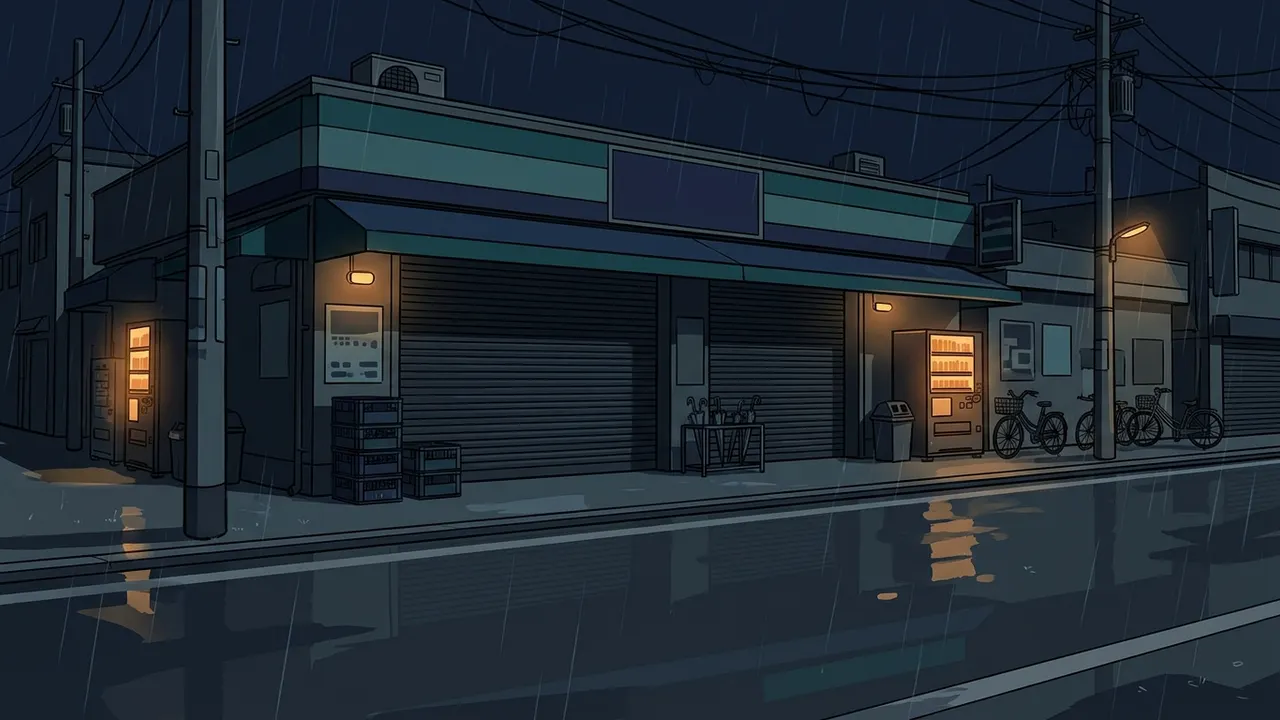
Sweet Warning
Hanabusa Supermarket, Namba district, Osaka, a Wednesday in October 1984, 10:30 am. At 9:50 am, a grandmother was about to give her grandson a box of Starlets, the chocolate from Tsubaki Confections, and saw a typewritten label on the bottom: "Danger: contains poison."
At the ransom handovers arranged by the group, undercover police officers saw more than once a man in dark glasses with "fox eyes" who always got away. In August 1985, the head of the Shiga prefectural police, criticized over one of those escapes, killed himself by setting fire to his own body. Days later, the group sent its last letter, said it would leave the companies alone and was never heard from again. More than one hundred thousand people were questioned, nobody was arrested, and the crimes expired under the statute of limitations between 1994 and February 2000.