
The Mary Celeste
Atlantic Ocean, 1872
This case is a work of fiction. The characters, names, places and events in the game do not portray real people. The account below is a factual summary, based on public sources, of the case that served as inspiration.
On November 7, 1872, the American brigantine Mary Celeste left the port of New York bound for Genoa, Italy, with 1,701 barrels of alcohol. On board were Captain Benjamin Briggs, his wife, their two-year-old daughter and seven crew members. On December 4, the Canadian brigantine Dei Gratia, which had left New York eight days later by a similar route, sighted the ship adrift between the Azores and the coast of Portugal: seaworthy, with part of her sails set, plenty of provisions, the cargo intact and the belongings in place, but with nobody aboard and without her only boat.
The last entry in the log was dated November 25, near the island of Santa Maria in the Azores. There was about a metre of water in the hold, a makeshift sounding rod dropped on the deck and a dismantled pump, and the navigation instruments and most of the papers were missing. The men of the Dei Gratia took the ship to Gibraltar, where the salvage hearing began on December 17. Gibraltar's Attorney General suspected foul play, from a mutiny by the crew to fraud by the salvors, but the stains thought to be blood were not blood, and nothing was proved. In April 1873, the court awarded the salvors about a fifth of the value of the ship and cargo, a reward considered low, which left a shadow of suspicion over them.
Sources
In the game
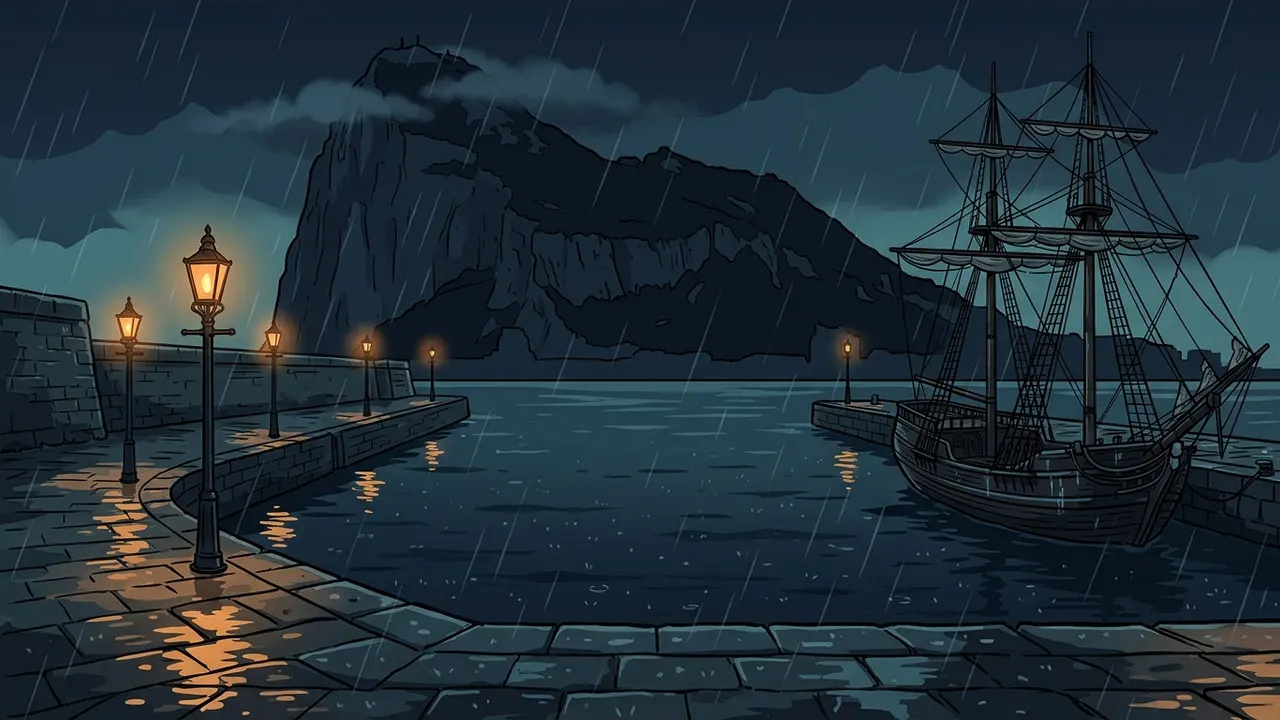
Empty Deck
Gibraltar, Wednesday, December 18, 1872, 9 pm. At the Vice-Admiralty wharf, under guard and in the rain, an empty brigantine creaks at her moorings: the Seraphine, found adrift on the 4th between the Azores and Portugal, her sails in tatters and her boat gone.
None of the ten people was ever seen again. The most cited explanations speak of alcohol fumes that frightened the crew (in Genoa, nine barrels were found empty), of a mistaken measurement of the water in the hold with the pump out of order, or of a waterspout. In 1884, a story by the young Arthur Conan Doyle spread the spelling "Marie Celeste" and many invented details. The ship went back to sea and, in 1885, was deliberately run aground off the coast of Haiti in an insurance fraud.