
The death of Charles Bravo and the antimony
Balham, London, 1876
This case is a work of fiction. The characters, names, places and events in the game do not portray real people. The account below is a factual summary, based on public sources, of the case that served as inspiration.
Charles Bravo, a 30-year-old barrister, had married Florence Ricardo, a young wealthy widow, in December 1875, and the couple lived in a large house called The Priory in Balham, south London. On the night of 18 April 1876, after dinner, he went up to his bedroom, rubbed laudanum on his gum for a toothache and drank water from the jug at his bedside. Soon afterwards he left the room calling for hot water and fell ill. He died in the early hours of 21 April, after almost three days of agony.
The doctors who attended him, among them Sir William Gull, physician to the royal family, concluded it was antimony poisoning, most likely tartar emetic, a product used at the time even to treat horses. Bravo told the doctors he had taken nothing but the laudanum. His wife's companion, Jane Cox, later said he had confessed to her that he had taken the poison himself, a version she changed afterwards. The inquiry exposed Florence's earlier affair with the much older physician James Manby Gully, and recalled a coachman Bravo had dismissed shortly before. Suicide and accident were also suggested.
Sources
In the game
Bedside Jug
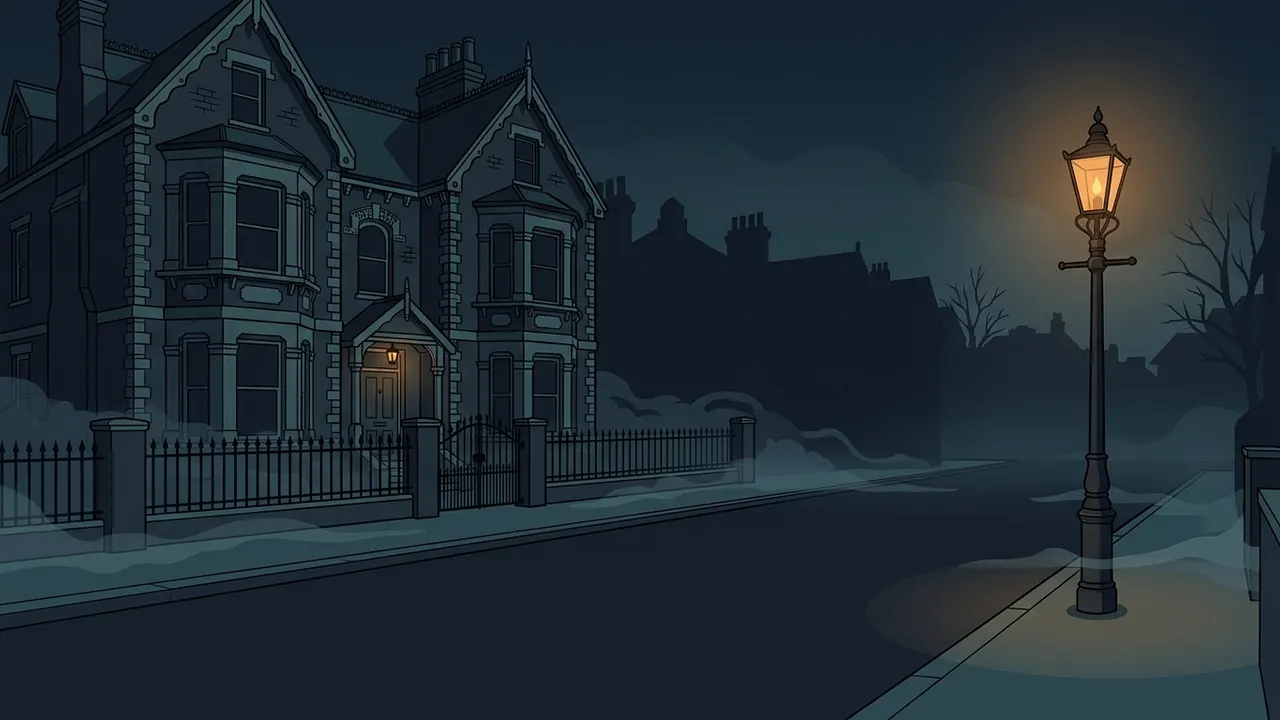
A mansion in Balham, London, Wednesday, 1876. On Tuesday night at 9:45 pm, the solicitor Ambrose Tilney, 30, flung open his bedroom door shouting for hot water and collapsed on the hallway rug.
The first inquest, held in haste at the house itself, found no crime. Pressure from the family and the press led to a second inquest, opened in July 1876 at the Bedford Hotel in Balham, with dozens of witnesses. In August the jury concluded that it was wilful murder, but that there was no evidence to say who had administered the poison. No one was charged. Florence left London, changed her name and died in Southsea in 1878, aged 33, and the case remains unsolved to this day.