
The Dreyfus affair and the bordereau
Paris, 1894
This case is a work of fiction. The characters, names, places and events in the game do not portray real people. The account below is a factual summary, based on public sources, of the case that served as inspiration.
In September 1894, French counterespionage received, among the trash from the wastebasket of the German military attaché in Paris, brought by a cleaning woman who worked at the embassy and secretly served the section, a torn, unsigned note: the bordereau. It offered military documents, such as a note on the hydraulic brake of the 120 gun and the draft firing manual of the field artillery. The General Staff pointed to Captain Alfred Dreyfus, an Alsatian Jewish artilleryman, based on a handwriting resemblance disputed by experts.
Dreyfus was arrested on October 15, unanimously convicted on December 22, 1894 with the help of a secret file shown only to the judges, publicly degraded on January 5, 1895 and sent to Devil's Island, in French Guiana. In 1896, the head of counterespionage Georges Picquart identified the handwriting of the bordereau as that of Major Ferdinand Walsin Esterhazy, an officer deep in debt, but the Army covered up the discovery, and Esterhazy was acquitted in January 1898. Days later, Émile Zola published "J'accuse...!".
Sources
In the game
Tissue Paper
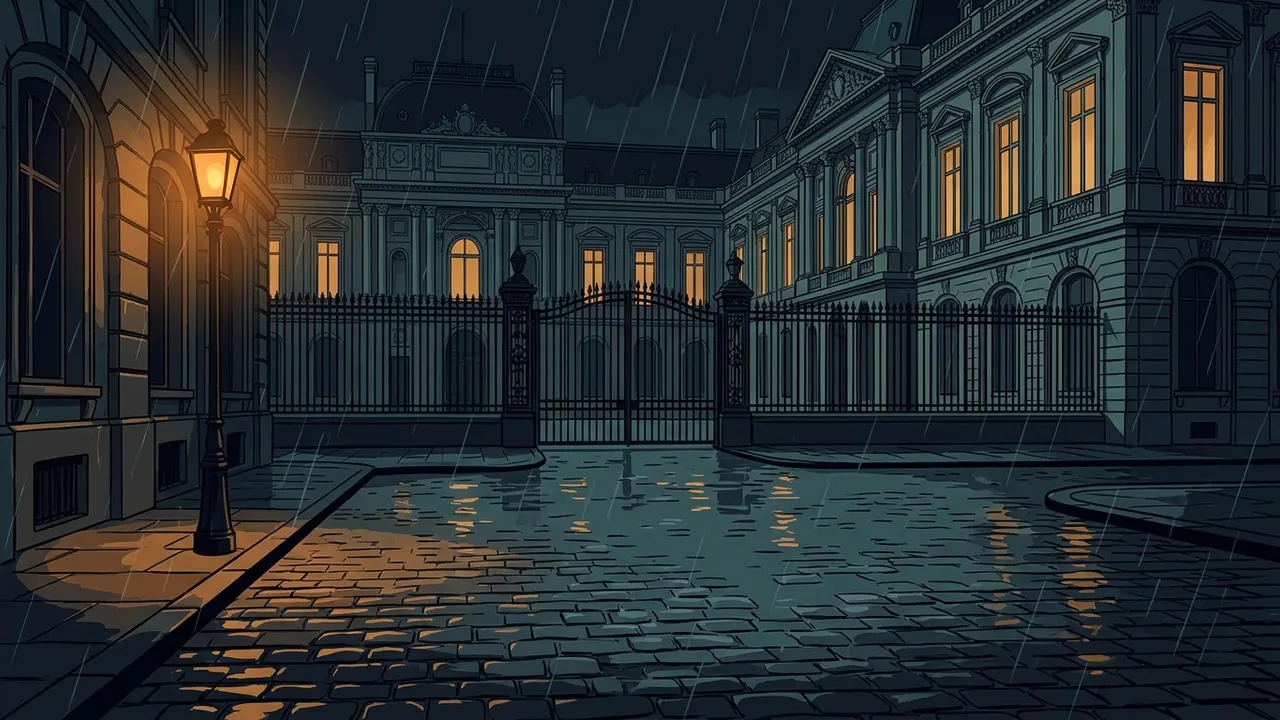
Paris, Wednesday, September 26, 1894, 11 pm. In the counterespionage office of the War Ministry, six pieces of squared tissue paper, glued onto a green blotter, form an unsigned note.
Tried again in Rennes in 1899, Dreyfus was convicted once more, then pardoned by the president, and only in July 1906 did the Court of Cassation declare him innocent and he returned to the Army. The game borrows the torn note from the attaché's wastebasket, the innocent man chosen because of his origin and the handwriting that gives away the real author. The characters, the evidence and the outcome are fiction.