
Femke Van den Driessche and the hidden motor in cyclocross
Heusden-Zolder, Belgium, 2016
This case is a work of fiction. The characters, names, places and events in the game do not portray real people. The account below is a factual summary, based on public sources, of the case that served as inspiration.
On January 30, 2016, at the Cyclocross World Championships held at the Zolder circuit in Belgium, Belgian rider Femke Van den Driessche, 19, started among the favorites in the women's under-23 race. European champion in the category in November 2015 and Belgian champion in January, she had mechanical trouble during the race and did not finish.
While the race was under way, commissaires from the UCI, cycling's international federation, ran a magnetic detection tablet, which the body was introducing that season, over the bikes in the pit. On one of the rider's spare bikes they found an electric motor hidden with its battery in the seat tube, triggered by a Bluetooth switch under the handlebar tape. It was the first proven case of "mechanical doping" in the history of cycling. She denied any intent to cheat and said the bike belonged to a friend, identical to hers, and had been taken to the pit by mistake; days later, the friend told the Belgian press the bike was his. The UCI rules, however, punish the mere presence of the motor, without needing to prove its use.
Sources
In the game
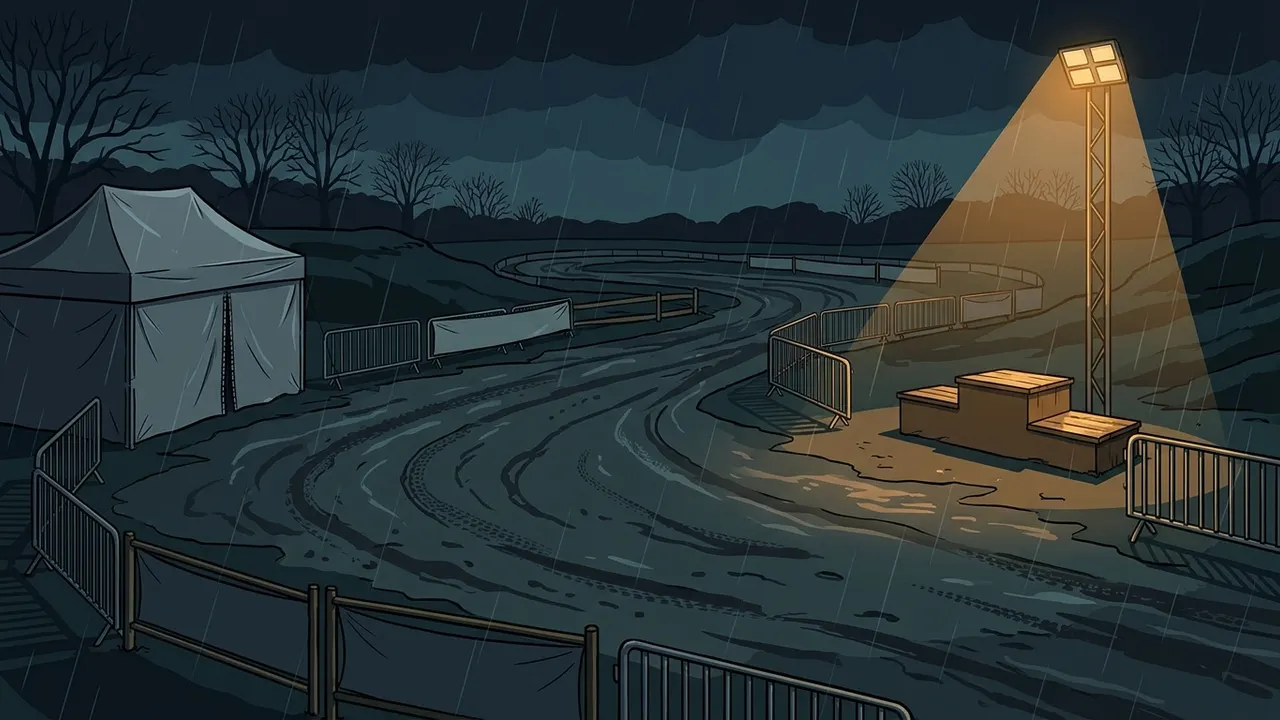
Spare Bike
Flanders, Belgium, Saturday, January 30, 2016, 4:00 pm. In the white tent of the Cyclocross World Championships commissaires, a mud-caked bicycle is clamped in a workstand, its saddle removed.
In March 2016, she announced that she would not defend herself before the disciplinary commission, citing the cost of the proceedings in Switzerland, and retired from cycling. On April 26, 2016, the UCI suspended her for six years, from October 11, 2015 to October 10, 2021, annulled all her results in that period, including the European and Belgian under-23 titles, and ordered her to return medals and prizes, plus pay a fine of 20,000 Swiss francs.