
The painter who fooled Holland with fake Vermeers
Netherlands, 1937 to 1947
This case is a work of fiction. The characters, names, places and events in the game do not portray real people. The account below is a factual summary, based on public sources, of the case that served as inspiration.
Han van Meegeren was a Dutch painter with a modest career, scorned by the critics. In 1937 the expert Abraham Bredius presented "The Supper at Emmaus" as Vermeer's masterpiece; the Rembrandt Society paid 520,000 guilders for the painting and donated it to the Boijmans Museum in Rotterdam. It was a fake: Van Meegeren used genuine 17th-century canvases, mixed Bakelite into the paint, baked the picture at about 100 degrees to harden it and rolled a cylinder over it to create the cracks.
In 1942 another fake Vermeer, "Christ and the Adulteress", ended up in the hands of Hermann Göring. After the war the trail led to Van Meegeren, arrested on 29 May 1945 for collaborating with the enemy. To escape that charge he confessed to the forgeries and, between July and December 1945, painted a new "Vermeer" in front of witnesses appointed by the court.
Sources
In the game
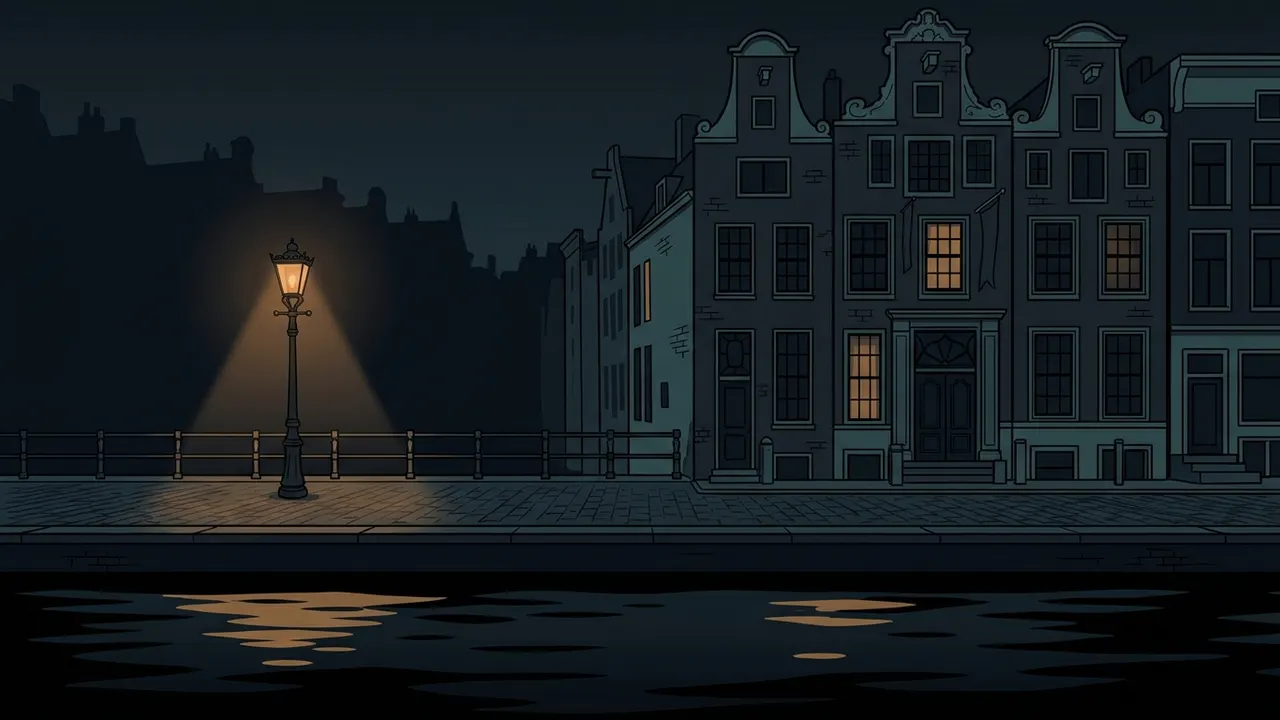
The False Master
Amsterdam, June 1945, one month after liberation. The Van Hoorn Museum has just paid 1.6 million guilders for "The Pilgrims' Supper", a Vaelkens lost for three centuries.
A commission of experts led by Paul Coremans found Bakelite and other 20th-century resins in the paint. The trial began on 29 October 1947, and on 12 November he was sentenced to one year in prison for forgery and fraud. He died on 30 December 1947, before serving the sentence. The game borrows the oven, the resin and the reused old canvas; the characters and the sale are fiction.