
The poisoned curry of the Wakayama summer festival
Wakayama, Japan, 1998
This case is a work of fiction. The characters, names, places and events in the game do not portray real people. The account below is a factual summary, based on public sources, of the case that served as inspiration.
On July 25, 1998, the residents of the Sonobe neighborhood in the city of Wakayama held their summer festival. Neighborhood women had prepared a big pot of curry in the morning for the community dinner and took turns watching the pot in a garage on the street. Right after dinner, dozens of people began to vomit: 67 were taken to the hospital and four died, among them the president and the vice-president of the residents' association, a 10-year-old boy and a 16-year-old girl.
At first spoiled food was blamed, but tests found arsenic in the curry, more than a hundred grams according to the prosecution. In October police arrested Masumi Hayashi, then 37, a resident of the neighborhood and married to a former pest exterminator, which gave her access to the poison. The couple was already under investigation for insurance fraud, and she was also accused of earlier poisoning attempts to collect compensation. A witness said she had seen her near the pot, a paper cup with traces of arsenic turned up in the festival trash, and synchrotron radiation analyses compared that arsenic with the one found at her home.
Sources
- en.wikipedia.org/wiki/Wakayama_curry-poisoning_incident
- info.japantimes.co.jp/weekly/news/nn2009/nn20090425a1.htm
- washingtontimes.com/news/2009/apr/21/japan-upholds-death-penalty-in-curry-poisoning/
- jiadep.org/Wakayma_Case.html
- malaymail.com/amp/news/world/2025/03/29/japans-retrial-system-under-scrutiny-as-son-fights-for-death-row-mothers-case/171185
In the game
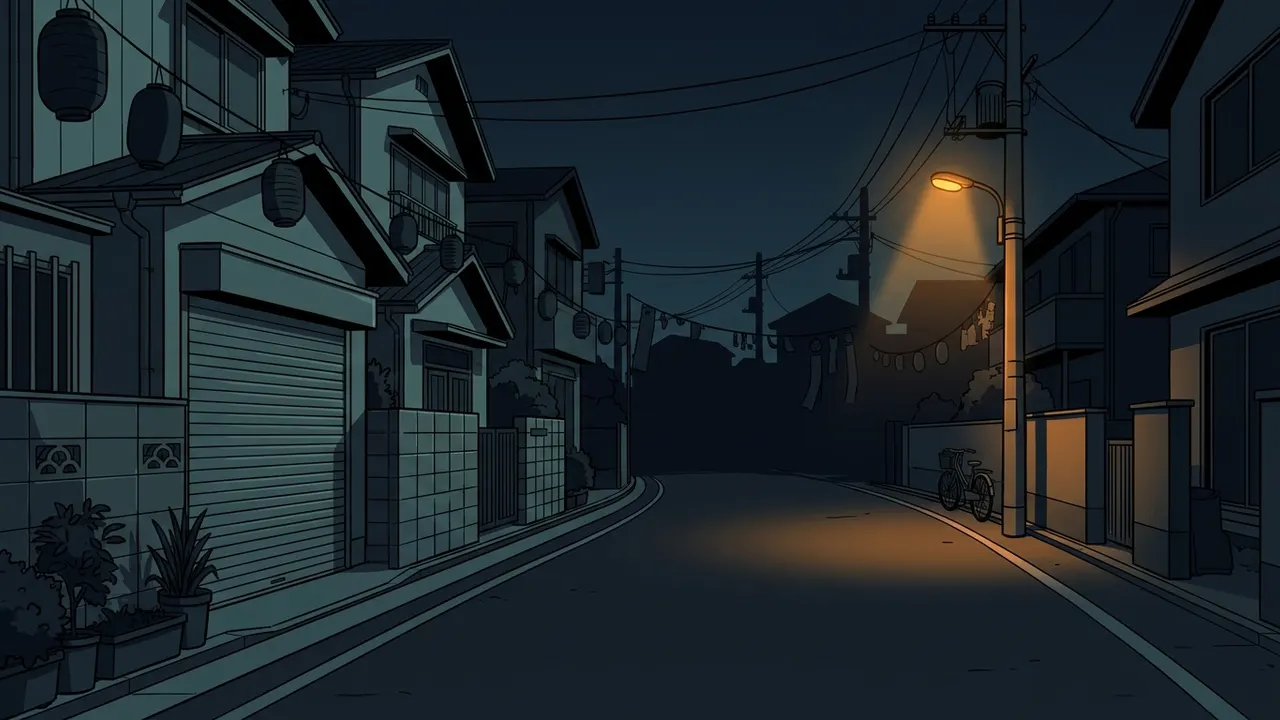
The Festival Pot
A residential neighborhood in Wakayama, Sunday, 9 am. At Saturday's summer festival, the residents' association served at 6 pm a curry cooked that morning and kept in a garage on the street.
She always said she was innocent and never confessed. In 2002 the Wakayama court sentenced her to death, and the Supreme Court of Japan upheld the sentence in April 2009, stating that the circumstantial evidence left no reasonable doubt, although no motive was ever established. The defense's requests for a retrial were rejected by the courts, and the case is still debated in Japan as an example of a conviction without direct proof.