
The kidnapping of Freddy Heineken, the brewery owner
Amsterdam, 1983
This case is a work of fiction. The characters, names, places and events in the game do not portray real people. The account below is a factual summary, based on public sources, of the case that served as inspiration.
On November 9, 1983, at 6:56 pm, Freddy Heineken, chairman of the Heineken brewery and one of the richest men in the Netherlands, and his driver, Ab Doderer, were seized in front of the company's office in central Amsterdam. The gang of five had been planning the crime for months and had already tried, unsuccessfully, to grab him near his home in Noordwijk. The two hostages were locked in two soundproof cells hidden behind a double wall at the back of a carpentry workshop's shed in the city's western port district: the 42-metre shed became 4 metres shorter on the inside, and nobody noticed.
The kidnappers contacted the family through letters, tapes recorded by the hostages and small coded ads in the newspapers. They demanded 35 million guilders in banknotes of four different currencies, about 400 kilos of money. On November 28, against the advice of the police, the ransom was handed over: a car followed a trail of hidden notes and the bags were thrown from an overpass near Utrecht. The money was buried in plastic barrels in a wood near Zeist. At the time, it was the largest ransom ever paid for the release of a hostage.
Sources
In the game
Double Wall
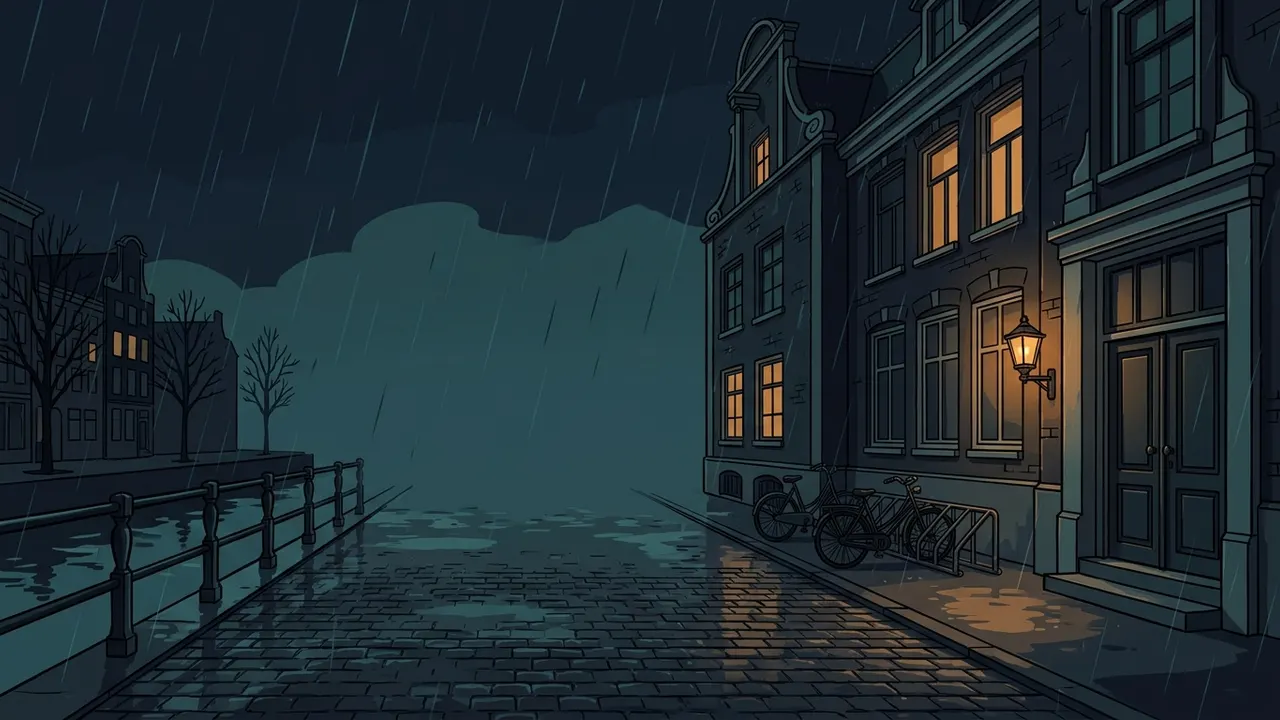
Amsterdam, Monday, November 28, 1983, 11:30 pm. Nineteen days ago, at 6:56 pm on a Wednesday, the brewer Ewout Brakel and his driver, Gijs Lammerts, were dragged out of their car in front of the brewery headquarters, beside a canal in the city centre.
The hostages had not yet been released when an anonymous tip naming three of the kidnappers led the police to the shed on November 30; both men were found alive, chained to the wall. On December 4, a woman walking her dog found a marked banknote, and the police dug up most of the money in the wood, but about 8 million guilders never turned up. Two of the leaders fled to Paris and were arrested in February 1984; all five were eventually convicted, with prison sentences of eight to twelve years.