
The Fyre Festival, the luxury festival that never happened
Great Exuma, Bahamas, 2017
This case is a work of fiction. The characters, names, places and events in the game do not portray real people. The account below is a factual summary, based on public sources, of the case that served as inspiration.
The Fyre Festival was announced as a luxury music festival in the Bahamas, scheduled for two weekends between late April and early May 2017. The organizers, a young American businessman and a rapper, wanted to promote an app for booking performers. In December 2016, famous models and influencers posted an orange square and a beach video shot with hired models at the same time, often without saying they were paid. The festival was sold as if it were on a private island in the Exumas, but it was moved to a remote stretch of Great Exuma, and the priciest packages, with flight and lodging, cost thousands of dollars.
Those who arrived on April 27 and 28, 2017 found disaster-relief tents, mattresses soaked by rain and meals like a cheese sandwich in a Styrofoam box. There were not enough tents for hundreds of people, the acts had canceled in the days before, and the festival was postponed in the small hours and then canceled. Many guests were stuck for hours at the Exuma airport, waiting for flights back, and the promised refund never came.
Sources
- nbcnews.com/news/us-news/fyre-festival-organizer-billy-mcfarland-sentenced-6-years-fraud-charges-n919086
- nbcnews.com/pop-culture/music/fyre-festival-postponed-amid-reports-chaos-bahamas-n752561
- buzzfeednews.com/article/davidmack/fyre-festival-billy-mcfarland-jail-prison
- en.wikipedia.org/wiki/Fyre_Festival
In the game
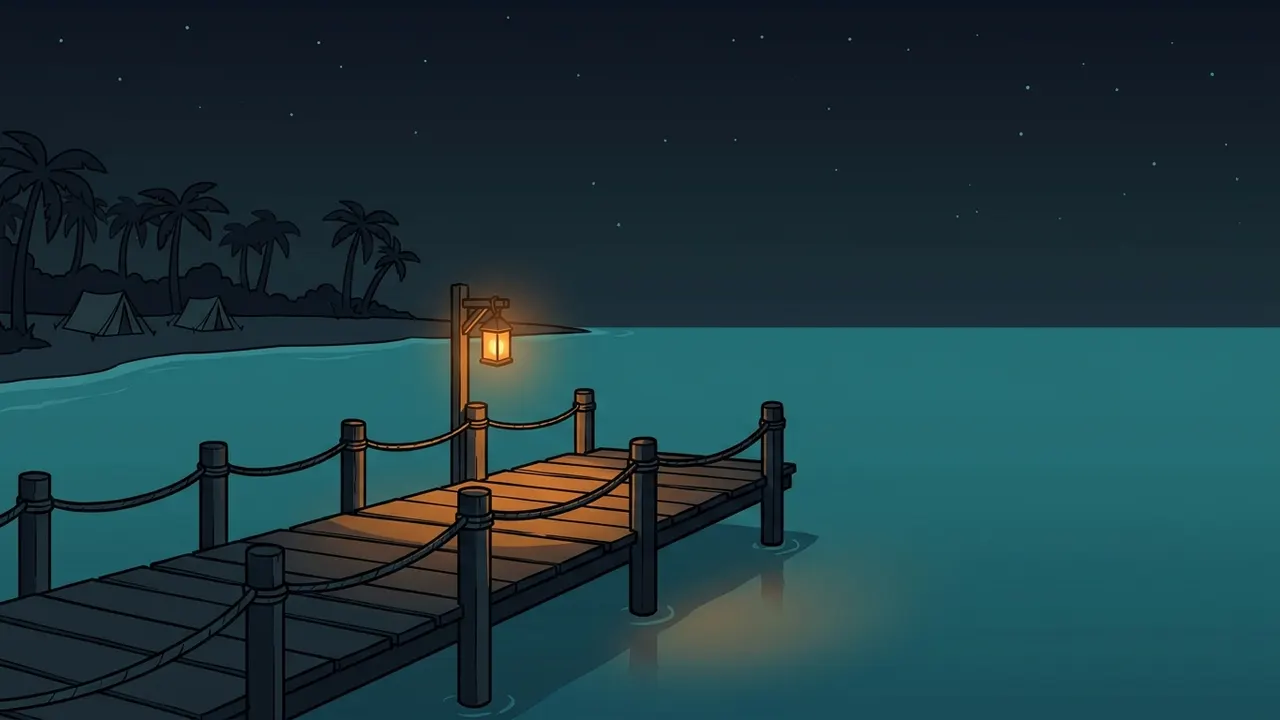
Paradise Sold
Heron Cay, a twenty-minute boat ride from George Town in the Exumas, Saturday, 6:40 a.m. On Friday night, guests of the luxury Aurora Azul festival found hurricane tents, soaked mattresses and a cheese sandwich in a Styrofoam box. The headline band canceled.
In June 2017 the organizer was arrested in New York, accused of wire fraud. Prosecutors said he deceived investors with false company revenue figures and forged documents, and that he promised payments from a cancellation insurance that did not exist. He pleaded guilty in March 2018 and, in October of the same year, was sentenced to six years in prison and ordered to pay back about 26 million dollars, a sum that added up the losses of the festival's investors and of a second scam selling fake tickets, carried out while he was free on bail.