
Ettore Majorana and the Naples ferry
Naples and Palermo, Italy, 1938
This case is a work of fiction. The characters, names, places and events in the game do not portray real people. The account below is a factual summary, based on public sources, of the case that served as inspiration.
Ettore Majorana, born in Catania in 1906, was one of the physicists in Enrico Fermi's group in Rome, the so-called “Via Panisperna boys,” and had predicted particles that now bear his name. In 1938, aged 31, he was appointed professor of theoretical physics at the University of Naples without a competition, for the “high fame” he already had. A recluse since his return from Germany in 1933, he lived in a hotel on Via Depretis and spoke little with colleagues.
On Friday, March 25, 1938, before boarding a Tirrenia steamer to Palermo that night, he wrote to the director of the Physics Institute, Antonio Carrelli, begging forgiveness for the trouble his “sudden disappearance” would cause, and left his family a letter asking them not to dress in black. Days earlier he had drawn five months of salary he had never collected, and the day before he handed a student a folder of papers. On the 26th, from Palermo, he wired Carrelli not to be alarmed and sent a letter saying the sea had refused him and that he would return to the hotel the next day, but that he intended to give up teaching.
Sources
In the game
Gray Hat
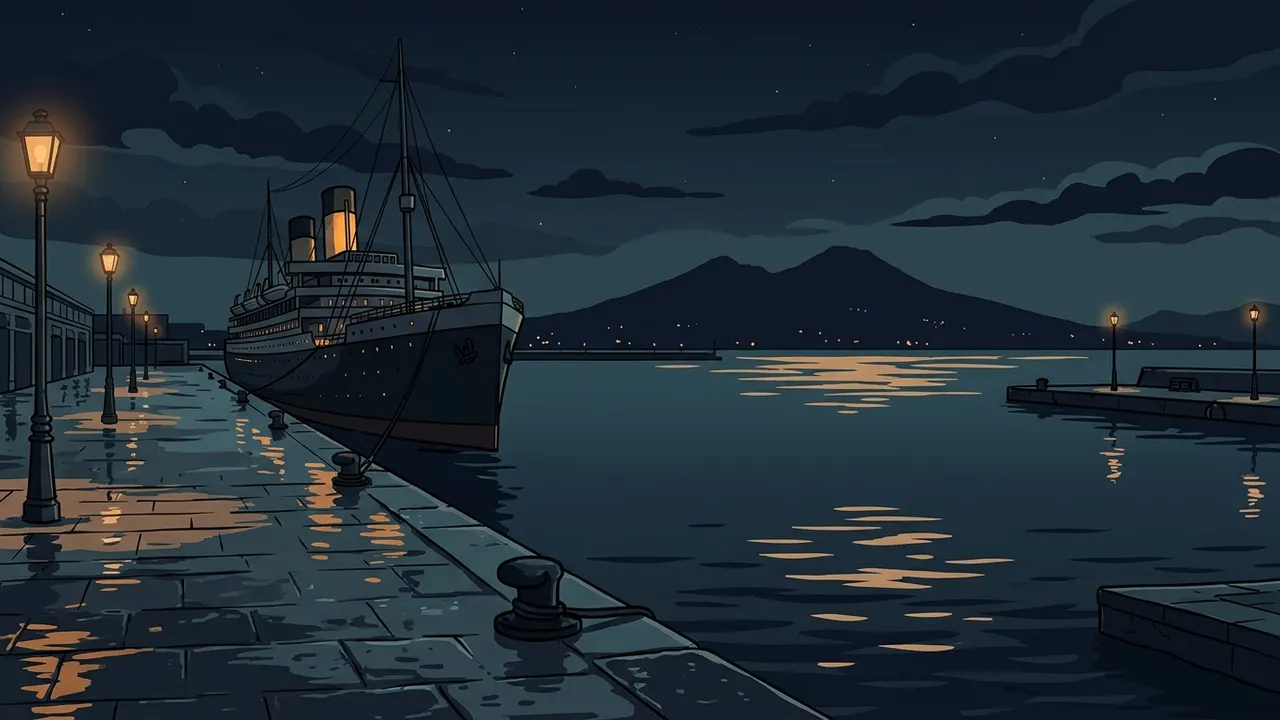
Naples, Monday, March 28, 1938, 9 p.m. In the harbor police room, the funnel of the steamer Aretusa smokes over the wet quay, but the ship is not sailing for Palermo tonight: Rome ordered her held.
The shipping company stated that the return ticket was among those handed in at Naples in the early hours of March 27, and a professor at the University of Palermo said he had shared a cabin with a young man who looked like him, without ever having met him. The passport never turned up. Mussolini ordered a search and the police chief noted that the dead get found, only the living disappear. In February 2015, the Rome prosecutor's office concluded that he had lived in Valencia, Venezuela, between 1955 and 1959, and closed the case as a personal choice; in 2025 a Rome court declared him presumed dead.