
The murder of Julia Wallace
Liverpool, England, 1931
This case is a work of fiction. The characters, names, places and events in the game do not portray real people. The account below is a factual summary, based on public sources, of the case that served as inspiration.
On the evening of 19 January 1931, a man telephoned the Liverpool Central Chess Club and left a message for William Wallace, a Prudential insurance agent: a certain R. M. Qualtrough wanted to see him the next day, at 7:30 pm, at 25 Menlove Gardens East, about a policy. On the evening of 20 January, Wallace searched for the address without success: there was Menlove Gardens North, South and West, but no East. Returning to his home at 29 Wolverton Street, in Anfield, he found his wife, Julia, beaten to death in the front room.
Police traced the call to a telephone box about 400 yards (some 370 metres) from the couple's house and came to suspect the husband himself, accused of having staged the message to create an alibi. In April 1931 Wallace was sentenced to death at Liverpool Assizes, but in May the Court of Criminal Appeal quashed the verdict for lack of evidence, an unprecedented decision in England. He died in 1933, and the crime was never officially solved.
Sources
In the game
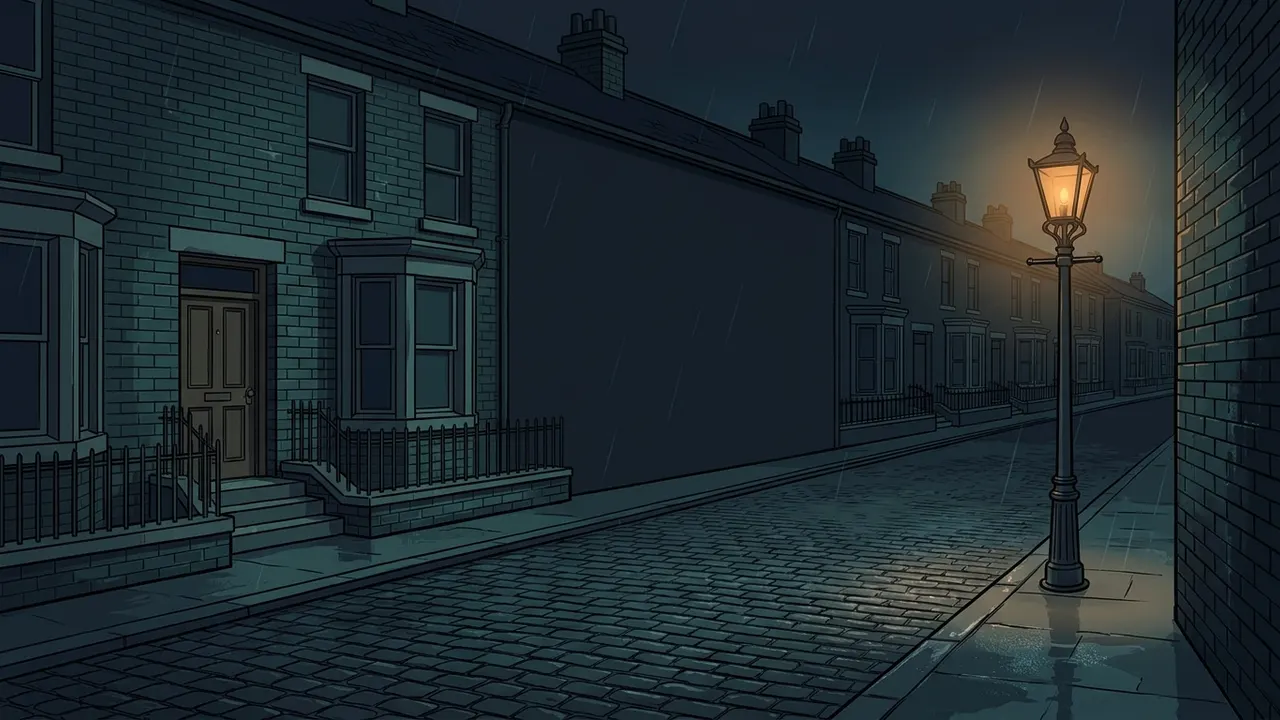
The Phone Call
Liverpool, January 1931, Tuesday, 9 pm. Edith Penrose was found dead in the front room of her own house, in the Anfield district.
Decades later, researchers pointed to a former Prudential colleague of Wallace, Richard Parry, whose alibi given by his fiancée was questioned: according to later accounts, she and her mother said he only arrived at 7:35 pm. In 1981, a radio investigation led by Roger Wilkes broadcast the account of a garage employee who allegedly washed Parry's car on the night of the crime and saw a bloodstained glove. Parry died in 1980 without ever being charged, and these versions were never proved in court.