
The Teigin Bank poisoning
Tokyo, Japan, 1948
This case is a work of fiction. The characters, names, places and events in the game do not portray real people. The account below is a factual summary, based on public sources, of the case that served as inspiration.
On the afternoon of January 26, 1948, just after closing time, a man who introduced himself as a public health official walked into the Shiinamachi branch of the Imperial Bank (Teikoku Ginko, or Teigin) in Toshima ward, Tokyo. He wore an official armband, carried a doctor's bag and said there was a dysentery outbreak in the neighborhood and that everyone had to take a preventive medicine. He gathered the sixteen people present, bank employees and the caretaker's family, and served the liquid in two doses, one minute apart. Ten died on the spot and two more in the hospital. The man left with about 160,000 yen in cash and a check for about 17,000 yen, and left behind a larger sum that was lying on the table.
The prosecution said the poison was potassium cyanide. The police linked the crime to two earlier attempts, at a Yasuda Bank branch in October 1947 and at a Mitsubishi Bank branch on January 19, 1948, in which the same man used the business cards of doctors. One of the cards belonged to a real doctor, who kept a record of the people he had exchanged cards with. Following those exchanges, investigators arrived at the tempera painter Sadamichi Hirasawa, 57, who was arrested in Otaru on August 21, 1948. He said the card had been stolen by a pickpocket and could not explain a sum of money he had received.
Sources
In the game
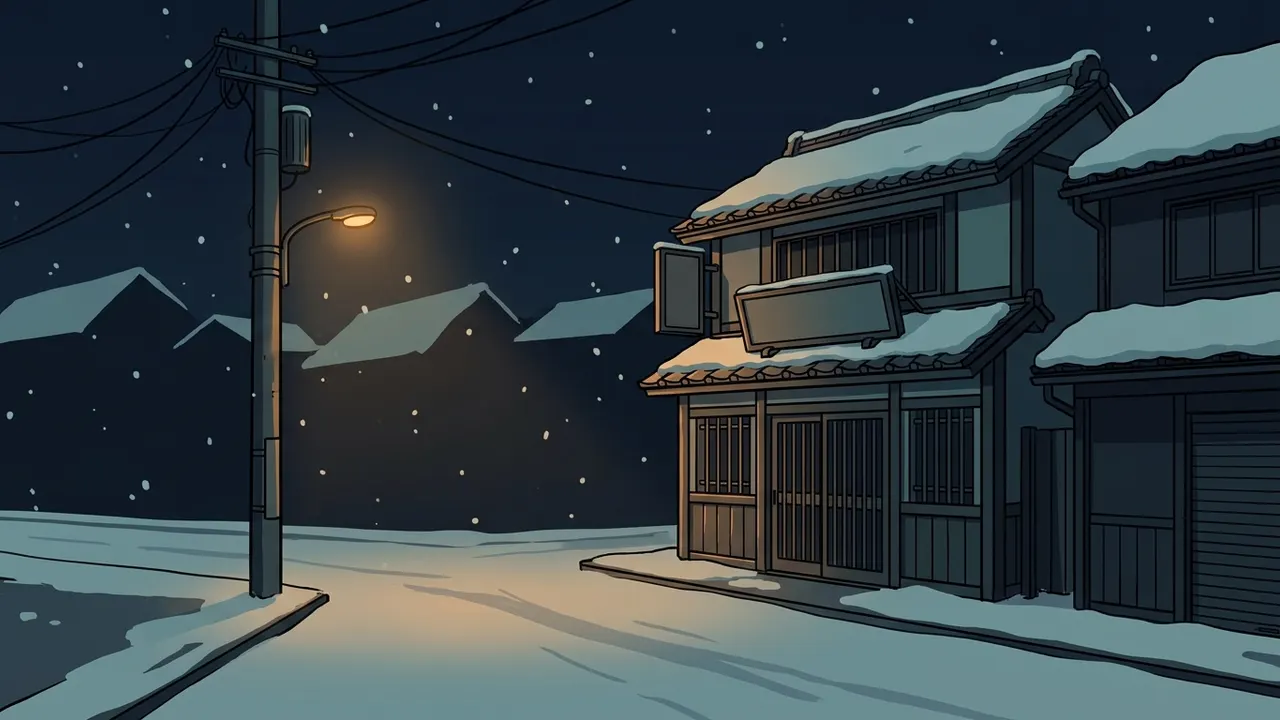
Second Dose
Koyo Bank branch in Shiinamachi, Tokyo, Tuesday, January 27, 1948, 9 am. The day before, at 3:40 pm, with the doors already locked, a man wearing a white public health armband, a gauze mask and glasses asked to speak to the deputy manager.
After more than a month of interrogation, Hirasawa confessed, then retracted the confession soon afterward and said he had been coerced. He was sentenced to death in 1950, and the Supreme Court upheld the sentence in 1955, but no justice minister ever signed the execution order, because of doubts about his guilt. He died of pneumonia in Hachioji prison on May 10, 1987, at the age of 95, after almost four decades on death row. Writers and journalists suggested that the real culprit may have been a former member of Unit 731, the Japanese army's chemical and biological weapons laboratory, and his family kept asking for a retrial.