
The Hitler Diaries hoax
Hamburg, West Germany, 1983
This case is a work of fiction. The characters, names, places and events in the game do not portray real people. The account below is a factual summary, based on public sources, of the case that served as inspiration.
Between 1981 and 1983, the Hamburg weekly Stern secretly bought 62 notebooks attributed to Adolf Hitler, paying about 9.3 million marks. The reporter Gerd Heidemann received them from a Stuttgart dealer in Nazi memorabilia who called himself Konrad Fischer. The story told was that the notebooks had survived the crash of a plane that left Berlin in April 1945 and came down near Dresden, and that they came from the East through the hands of the dealer's brother, supposedly a general in the East German army. To protect the secret, the publisher did not subject the notebooks to a full forensic examination before the purchase.
On 25 April 1983, Stern announced the discovery at a packed press conference, and on 28 April it began publishing excerpts, with rights sold to newspapers in other countries. Historians who had earlier approved the notebooks began to doubt them in public. On 6 May, the Federal Archives and the German federal police laboratory declared them a fraud: under ultraviolet light the paper contained an optical brightener, used only after the war, the binding had post-war synthetic threads, and the text copied, with the same mistakes, a published compilation of Hitler's speeches.
Sources
In the game
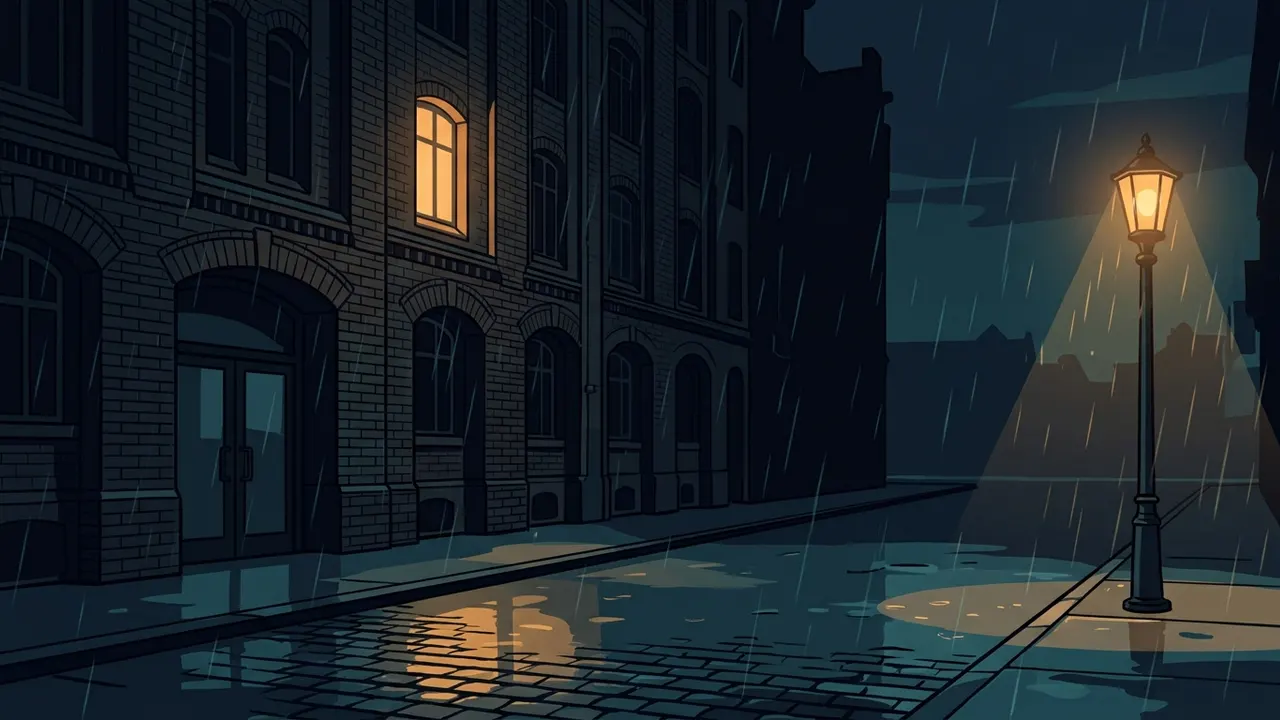
Black Light
Hamburg, Sunday, 24 April 1983, 9 pm. In a locked room at the weekly magazine Kompass, sixty black-covered notebooks wait in a safe: the "secret diaries of the dictator" who led Germany into war.
The forger was Konrad Kujau, a painter and dealer from Stuttgart born in East Germany, who wrote the notebooks by hand, stuck on initials bought in a shop and aged the pages with tea; his brother actually worked as a luggage porter on the railway. In July 1985, a Hamburg court sentenced Kujau to four years and six months in prison and Heidemann to four years and eight months, for having embezzled part of the magazine's money. Stern's editors-in-chief resigned, and the case became one of the biggest scandals in German journalism.