
Mata Hari, the dancer shot as a spy
Paris, 1917
This case is a work of fiction. The characters, names, places and events in the game do not portray real people. The account below is a factual summary, based on public sources, of the case that served as inspiration.
Margaretha Zelle, a Dutchwoman born in 1876, became famous in Paris from 1905 as Mata Hari, a dancer who claimed to be a Javanese princess. A citizen of a country that stayed neutral in the First World War, she crossed borders with ease and mixed with officers and politicians from several countries. In 1916, the French counterespionage service, the Deuxième Bureau, agreed to use her as an agent, with the promise of a million francs.
At the end of 1916, in Madrid, she grew close to the German military attaché. In January 1917, he sent Berlin radio messages about an agent codenamed H-21, whose biography matched hers, in a code the French could already read. The Bureau also claimed that she had received the names of six agents in Belgium and that, after the trip to Madrid, the Germans executed one of them. Arrested on 13 February 1917 in a hotel on the Champs-Élysées, she admitted having received 20,000 francs from a German diplomat, but said it was money from a lover, and called the secret ink found in her room makeup.
Sources
In the game
Lilac Paper
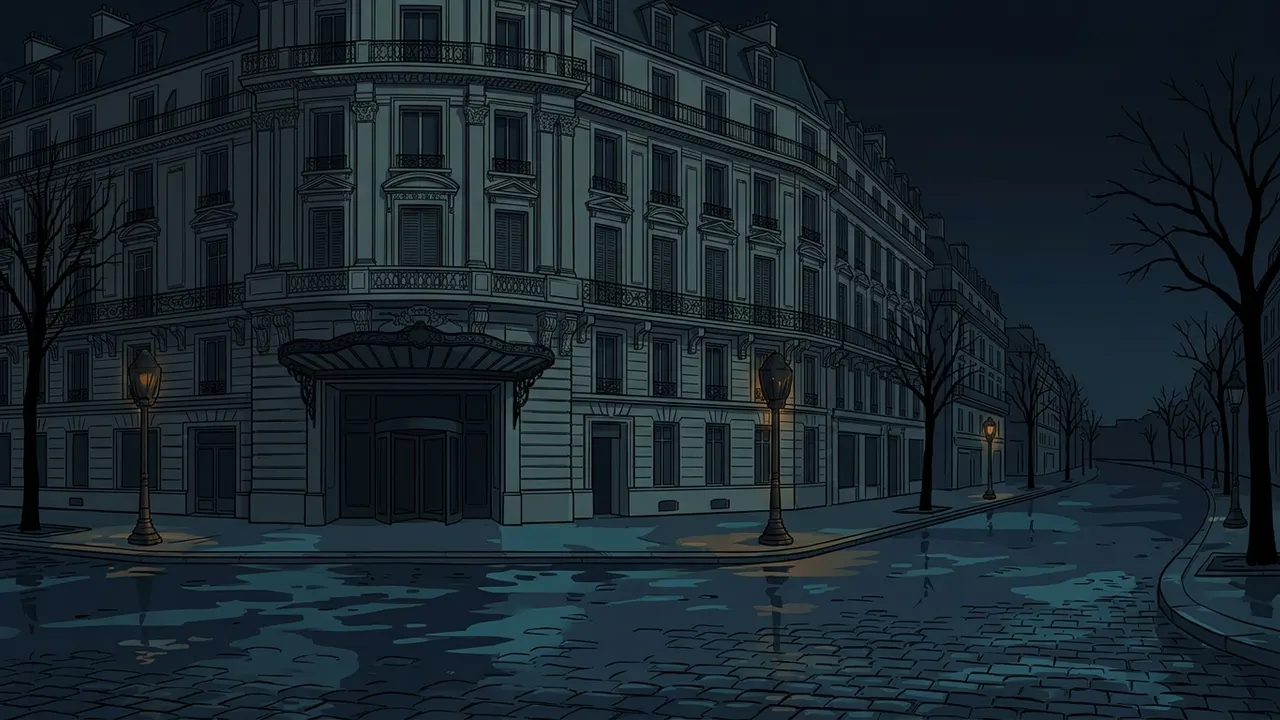
Paris, Wednesday, 7 February 1917, 11 pm. In suite 112 of the Hôtel Bellerive, on the most elegant avenue in Paris, there are still flowers from an admirer and a smell of face powder. Outside, the city is turning off its lights because of the zeppelins.
Tried behind closed doors in July 1917, accused of causing the death of thousands of soldiers, she was convicted and shot at Vincennes on 15 October 1917, aged 41. She always denied having spied for Germany. Historians point to forgeries in the file and see her as a scapegoat for a France that was losing the war; the 1,275 pages of the case were released by the French army in 2017, a hundred years later.