
Breitwieser's thefts, the museum thief
Europe, 1995 to 2001
This case is a work of fiction. The characters, names, places and events in the game do not portray real people. The account below is a factual summary, based on public sources, of the case that served as inspiration.
Between 1995 and 2001, a French waiter from the Mulhouse area in Alsace toured small museums and castles open to visitors in France and neighboring countries, taking works of art in broad daylight without breaking in. He waited for the guard to step away from the room, cut the canvases flush with the frame, rolled them up and walked out with them under his coat; small objects went the same way. His girlfriend usually came along and watched the door. He later admitted to 239 works and objects taken from 172 museums, almost all from the 16th and 17th centuries, and said he never wanted to sell anything: he wanted a collection for himself.
The pieces were kept in his room, at his mother's house. In November 2001 he was arrested in Lucerne, Switzerland, on returning to the Richard Wagner Museum, from which he had taken a 1584 bugle two days earlier; a guard recognized him, tipped off by a journalist walking his dog. On learning of the arrest, his mother cut up dozens of paintings, which ended up in the trash, and threw other objects into the Rhone-Rhine canal. Police recovered some of the pieces from the canal, and about 60 works are considered lost.
Sources
In the game
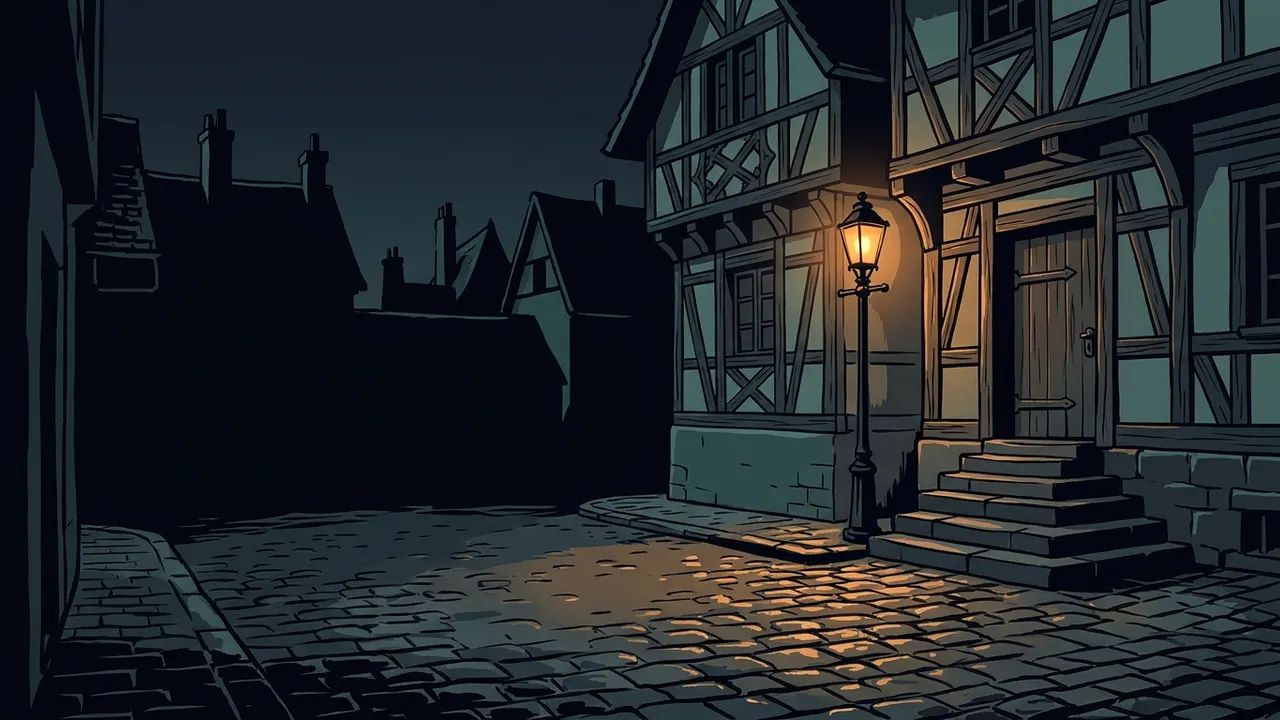
Empty Frame
Coopers' House Museum, Colmar, in Alsace, a Saturday in June, 30°C. At 1:05 pm, the guard walked back into the portrait room and found an empty frame on the wall.
After answering to the Swiss courts, in 2005 he was sentenced in France to three years in prison and served 26 months; his mother and girlfriend were also convicted. The game borrows the waiter who visited small museums, the canvas cut flush with the frame and hidden under a coat, and the room that held the collection. Characters, investigation details and outcome are fiction.