
DNA test
Matches genetic material from the scene against each suspect.
In the game
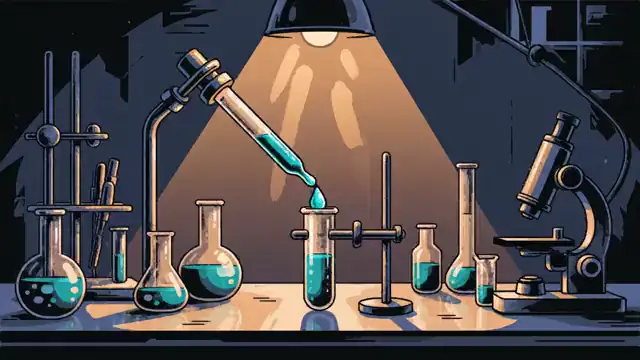
The DNA test in Confessd compares material left at the scene with each of the suspects: a hair caught on a coat, saliva on the rim of a wine glass, a drop on a towel. In real life, the lab extracts the genetic material from the sample and checks a set of markers against each person's profile. In the game you don't need to know any of that: the target of the analysis is shown before you buy, without giving away what will be found.
The result comes in a short technical report, just a few sentences, with one of three stamps: Positive, Negative or Inconclusive. The finding goes into your Clues as a new fact, and that is what lets you open a confrontation question or strengthen one already on the table. A DNA match proves presence, not guilt: the person was there, but the motive and the moment still have to come out of someone's mouth. That is why the analysis shortens the path but never hands you the final evidence.
The price ranges from 5 to 50 coins and is shown on the analysis card in the Lab. Once paid, it lasts until the end of that game: reopening the report costs nothing. Lose and play the case again, and you pay again, because the purchase belongs to the game, not the account. Since forensics don't use up questions, a good test can leave you questions to spare for the moment of the accusation. The report's clock only starts after the minigame: it comes out after a short wait, and you can rush it for 5 coins.
How the minigame works

The fabric appears in the dark, under ultraviolet light. The tag at the top shows the color of the sample that matters this round, drawn at random each time: green, blue, pink or yellow.

Move the light across the fabric with your finger or mouse: only what is in the beam shows up. There are eight stains and only three are the right color. Tapping a stain of another color shows "That's not it" and you keep looking. After 20 seconds without a hit, the three right stains start to glow faintly even outside the light.

Once you collect the third sample of the right color, the bar fills, the discovery sound plays and the DNA report opens right after.
Try it
Try the minigameIn real history
A bloody glove and the question of who left it there marked one of the most watched trials in history, and DNA tests run years later went on to overturn convictions in other cases.
The glove in the O. J. Simpson case and DNA reviews

Other forensics
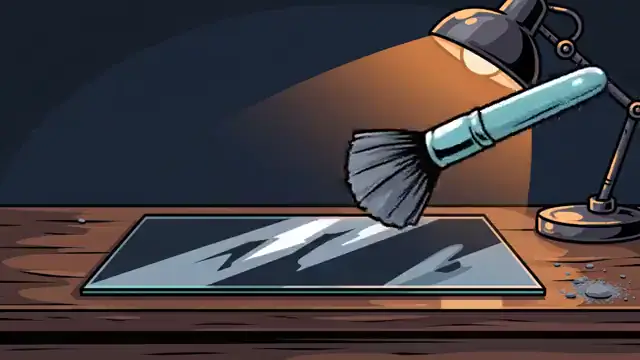 FingerprintsReveals prints on objects and surfaces at the scene.
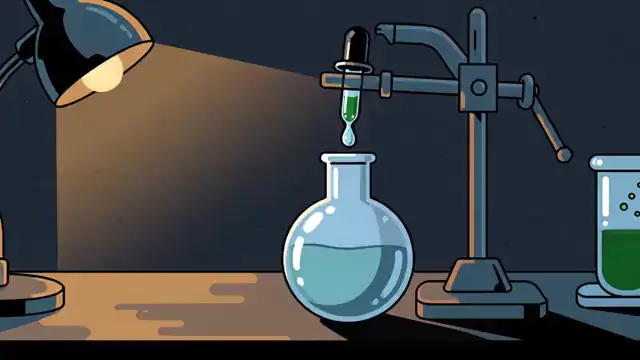 ToxicologyLooks for poisons, medicines and other substances.
 BallisticsLinks a bullet or a weapon to the shot.
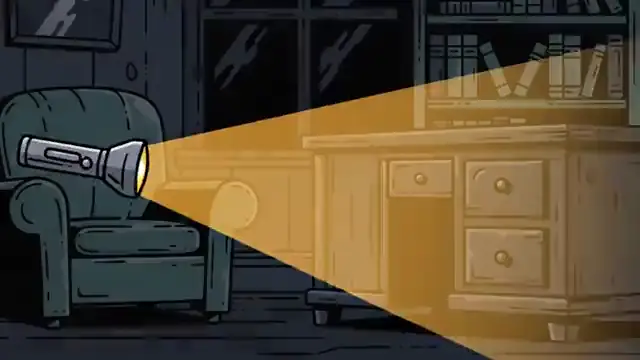 Search warrantCombs the scene for whatever was left behind.
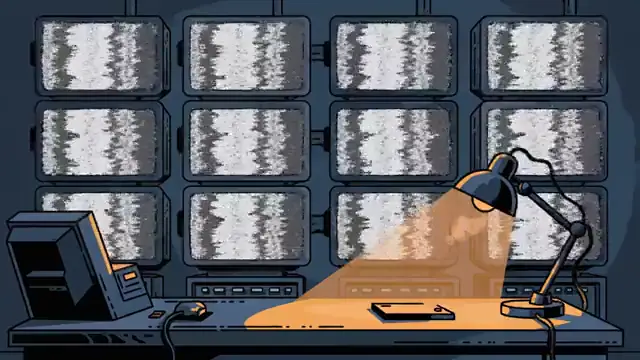 Security camerasReviews camera footage from the time of the crime.
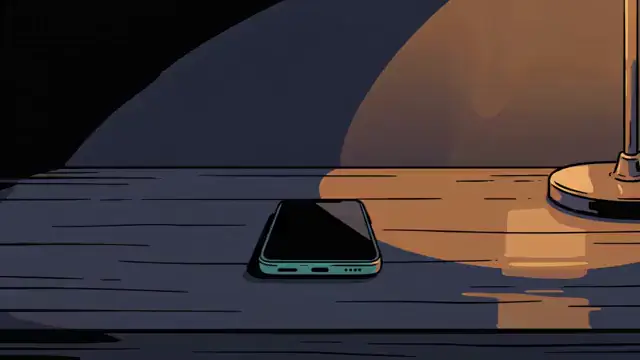 Phone recordsPulls the calls and messages of everyone who was there.
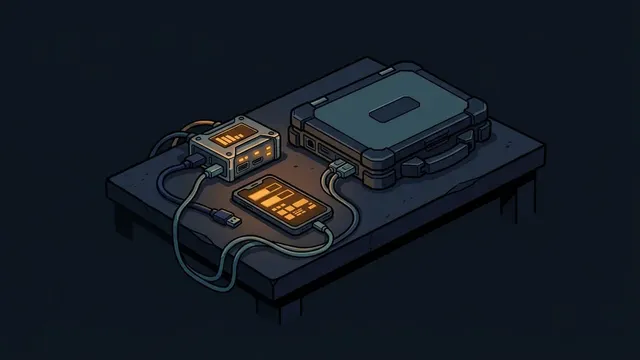 Digital forensicsUnlocks a seized phone or laptop and recovers deleted messages.
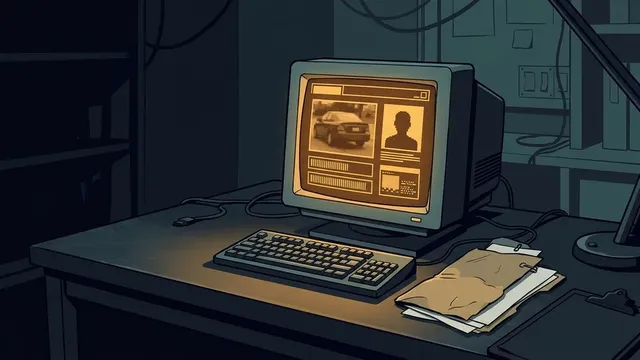 Records and platesPulls someone's record or the owner of a license plate.
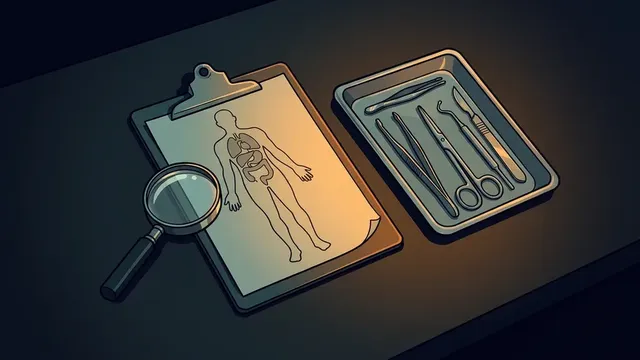 Medical examiner's reportReads the medical examiner's chart for marks the summary left out.
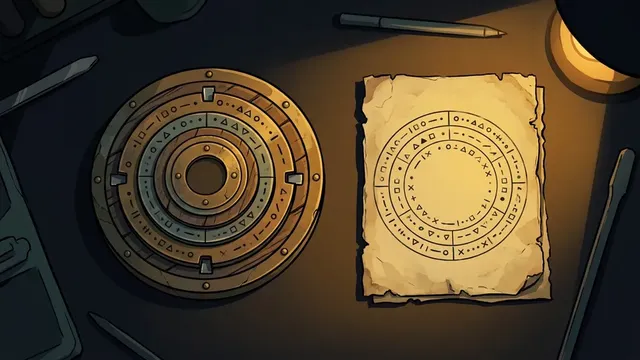 Translation or cipherTranslates or decodes a document in another language or in code.
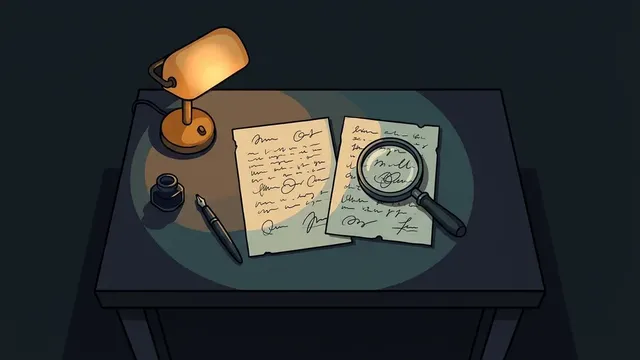 Handwriting analysisCompares the writing or signature on a document with a suspect's.
 Scene photosOpens the folder with the crime scene photos.