
Toxicology
Looks for poisons, medicines and other substances.
In the game
Toxicology in Confessd looks for poisons, medicines and other substances wherever they may have passed: the dregs of tea in a cup, an unlabeled vial, an open bottle at the bar. A real lab separates the compounds in the sample and identifies each one by its chemical behavior, but here that's already done: the game shows what will be analyzed and saves the result for the report, which only opens after the sampling.
The report is technical and to the point, stamped Positive, Negative or Inconclusive. It can confirm there was a substance in the glass, show that the suspicious vial was harmless or reach no conclusion at all. When it finds something, a new fact goes into your Clues and opens or strengthens a question. Knowing what was in the drink doesn't tell you who put it there: toxicology points the way, and the confession or the right accusation are still in your hands.
It costs 5 to 50 coins, charged once per game. Rereading the report in the same game is free; restarting the case after a loss charges the analysis again. Like every forensic test, it doesn't count toward your questions, which can make a difference when you have only a few left and still need a fact to corner someone. The report's clock only starts after the minigame: it comes out after a short wait, and you can rush it for 5 coins.
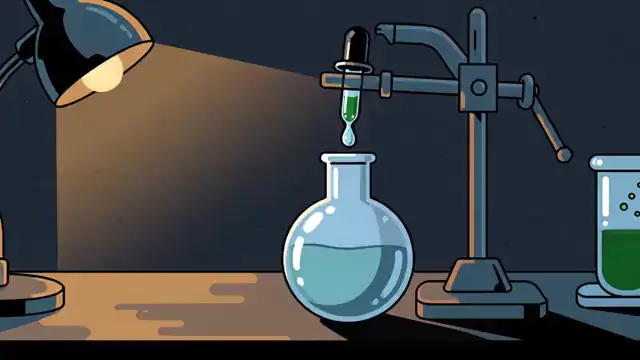
How the minigame works

The sample sits under ultraviolet light against a dark background. At the top, a tag shows the color the target substance gives off under UV this round; the color changes every game.

Drag the light and look for spots glowing in that color. Of the eight stains, five are other colors and only get in the way: tapping them gives "That's not it", with no penalty. If 20 seconds pass without a hit, the right stains start pulsing gently, even away from the light.

Once you collect the three right spots, the analysis ends: the discovery sound plays and the toxicology report appears right after.
Try it
Try the minigameIn real history
Detecting a plant-based poison was once such a challenge that a 19th-century toxicologist tested extracts on lab animals to prove a digitalin poisoning.
The poisoning doctor of Paris and digitalin

Other forensics
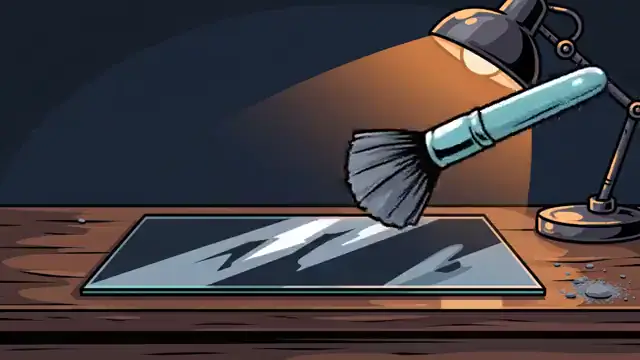 FingerprintsReveals prints on objects and surfaces at the scene.
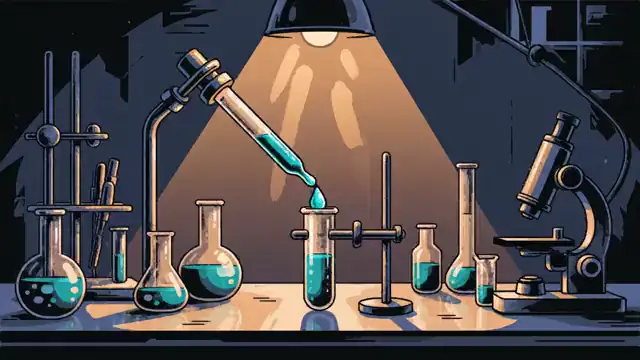 DNA testMatches genetic material from the scene against each suspect.
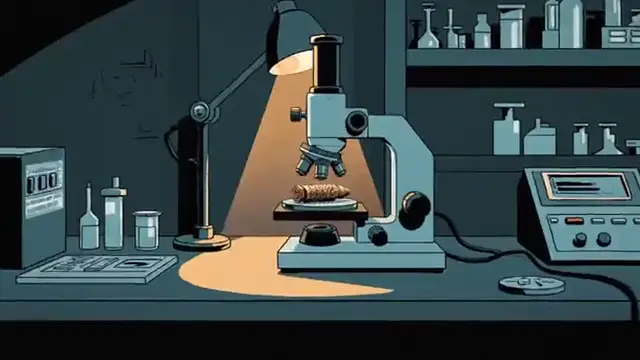 BallisticsLinks a bullet or a weapon to the shot.
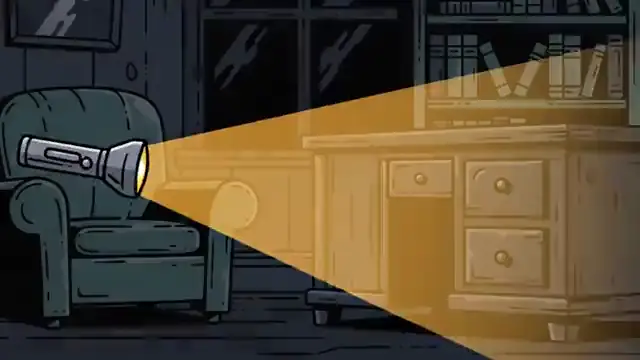 Search warrantCombs the scene for whatever was left behind.
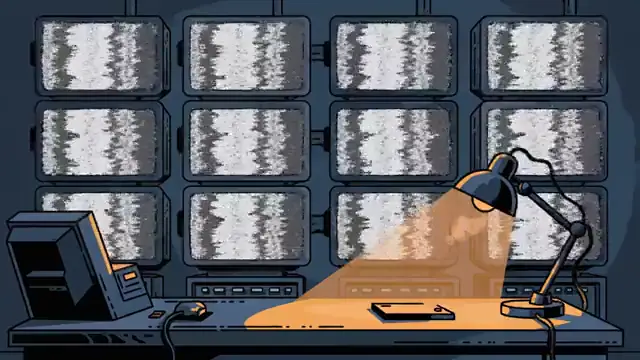 Security camerasReviews camera footage from the time of the crime.
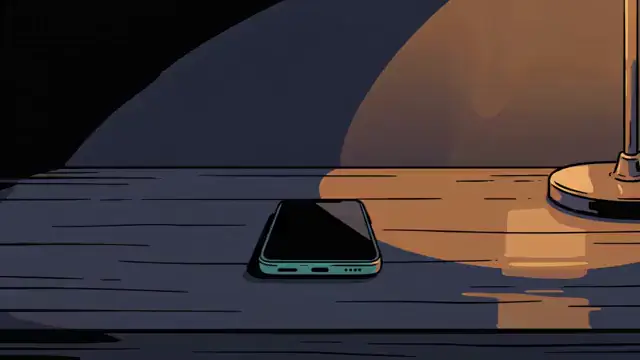 Phone recordsPulls the calls and messages of everyone who was there.
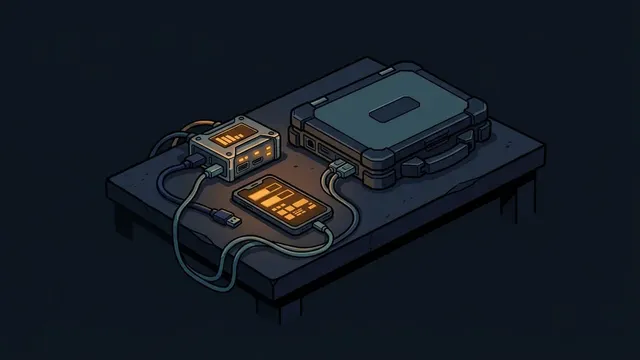 Digital forensicsUnlocks a seized phone or laptop and recovers deleted messages.
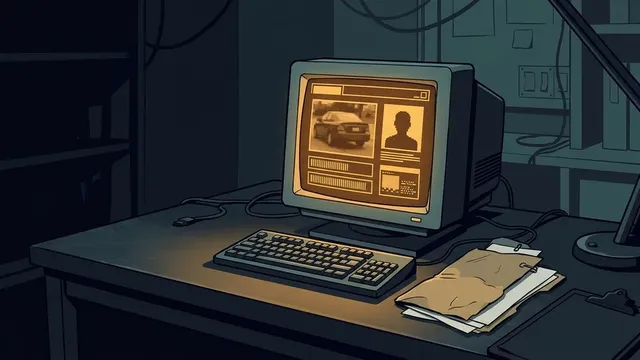 Records and platesPulls someone's record or the owner of a license plate.
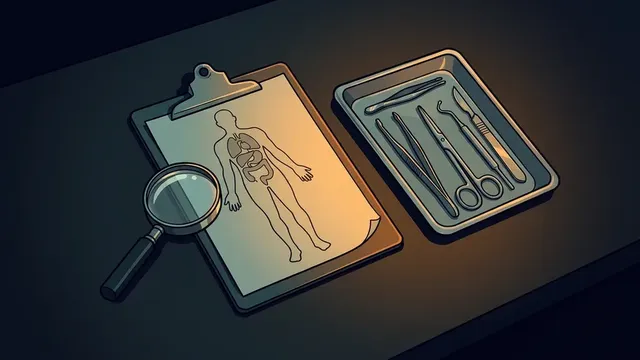 Medical examiner's reportReads the medical examiner's chart for marks the summary left out.
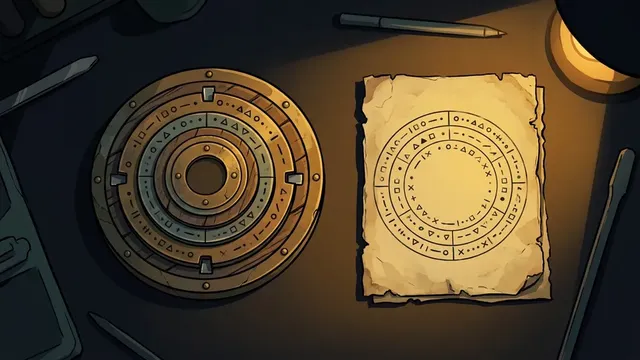 Translation or cipherTranslates or decodes a document in another language or in code.
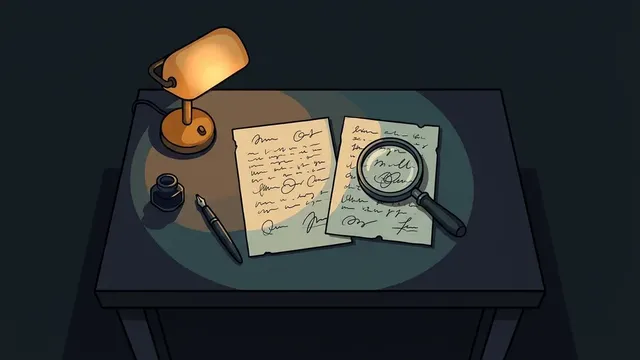 Handwriting analysisCompares the writing or signature on a document with a suspect's.
 Scene photosOpens the folder with the crime scene photos.