
Records and plates
Pulls someone's record or the owner of a license plate.
In the game
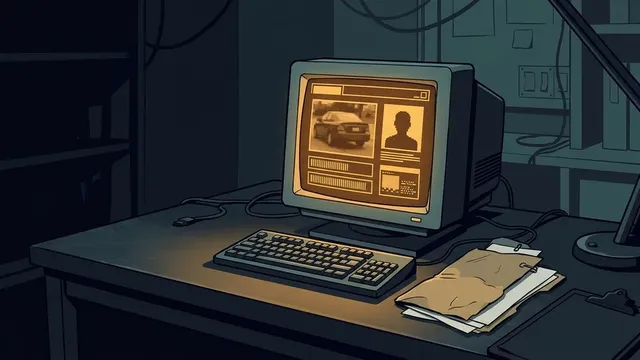
The records and plates test searches the police files: the plate of a car seen near the scene, a partner's nickname, the record of someone who swears they never had trouble with the law. In real life, a plate read from a bad image has to be cleaned up before it goes into the system. In the game, the card says what will be looked up.
The report shows the printed record, with a heading and a few lines: who owns the car, an old arrest, a connection nobody mentioned. Whatever turns up becomes a fact in your notebook and unlocks or supports a question. A record shows a history, not guilt: the test shortens the road and never hands you the final proof.
It costs 5 to 50 coins, depending on the case, and the purchase only counts for the game in progress; on a new attempt, after a loss, you pay again. The minigame happens right away; the report arrives after a while, with the option to rush it. Forensics never use up questions.
How the minigame works
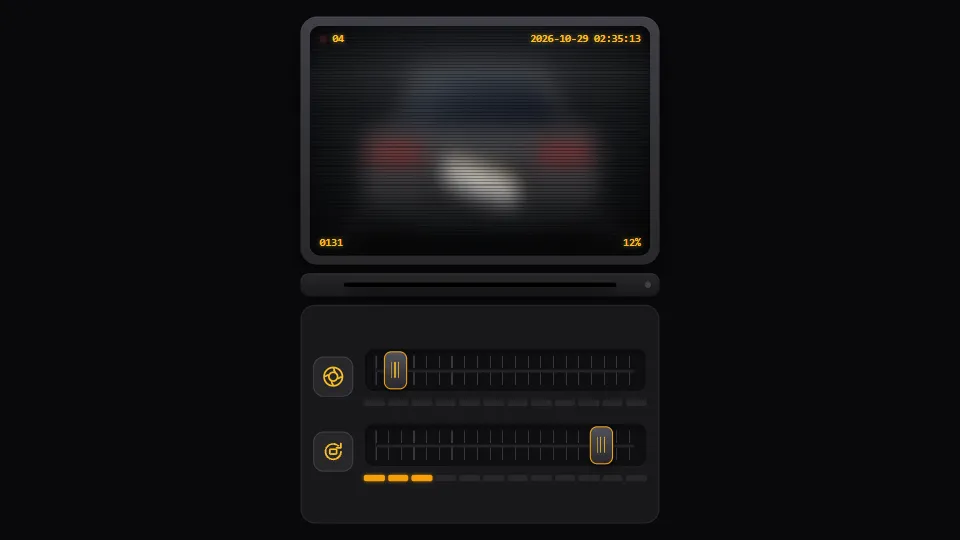
The police station monitor shows a blurry, tilted image of a license plate, with two controls: focus and angle.
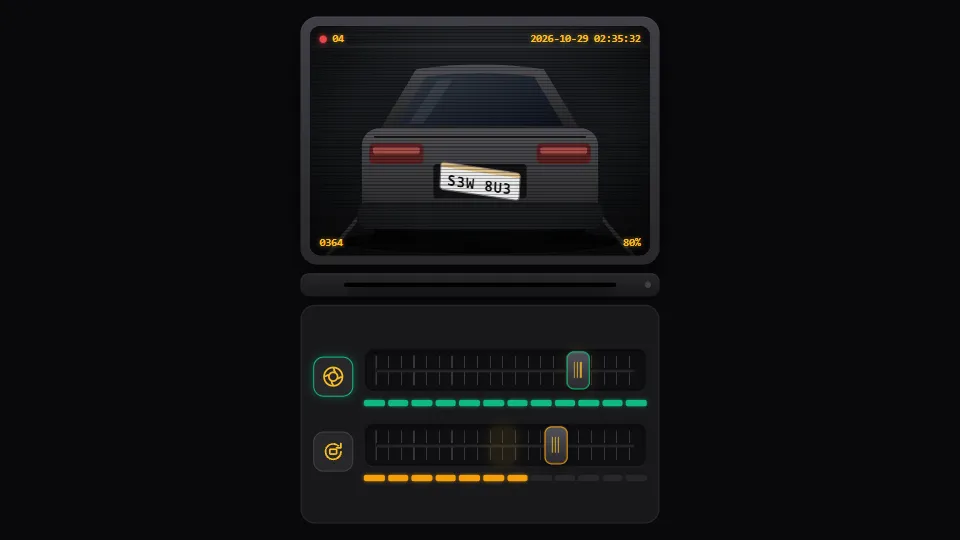
Drag both controls until the image is sharp and straight; the right characters appear as you get closer. If you take too long, an amber band marks the right spot on each control.
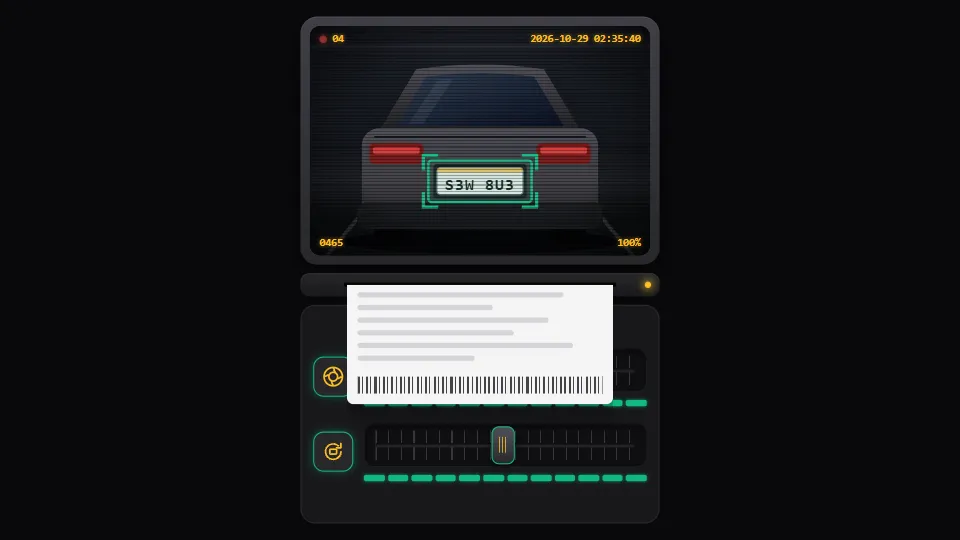
Once the plate snaps into place, the printer starts feeding out the record, stops halfway with its amber light blinking, and the report opens.
Try it
Try the minigame

Other forensics
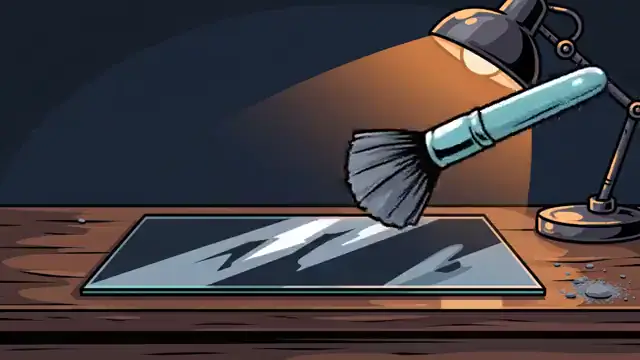 FingerprintsReveals prints on objects and surfaces at the scene.
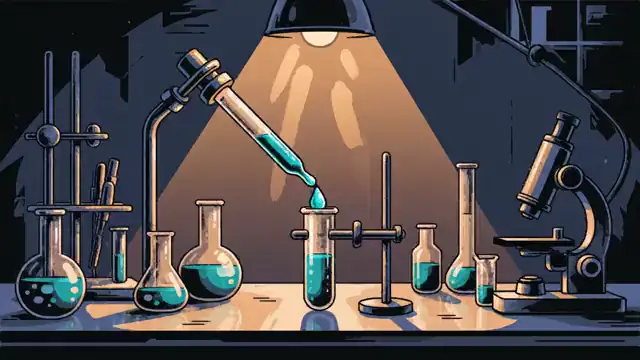 DNA testMatches genetic material from the scene against each suspect.
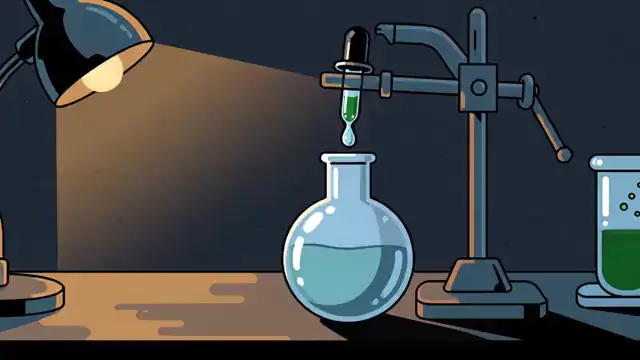 ToxicologyLooks for poisons, medicines and other substances.
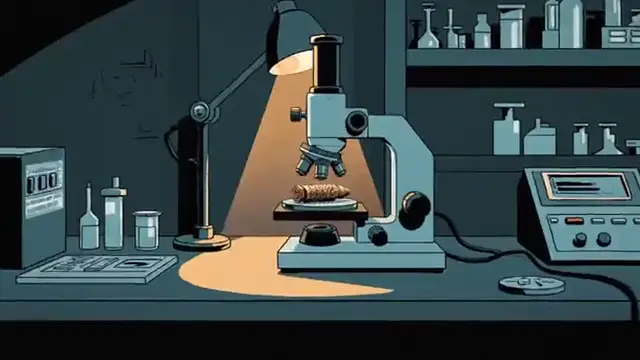 BallisticsLinks a bullet or a weapon to the shot.
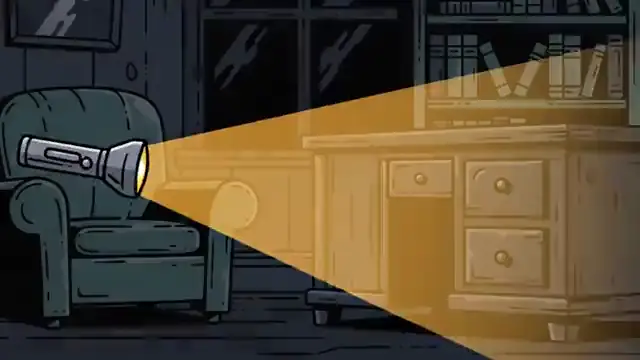 Search warrantCombs the scene for whatever was left behind.
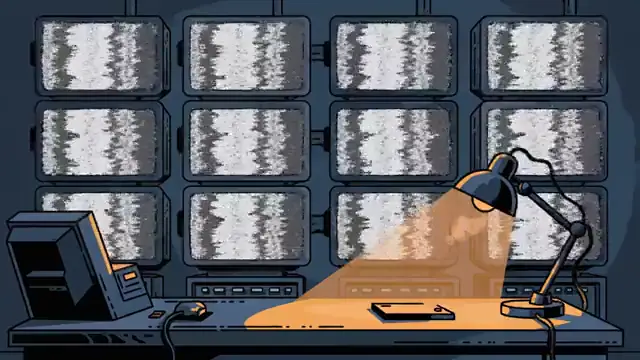 Security camerasReviews camera footage from the time of the crime.
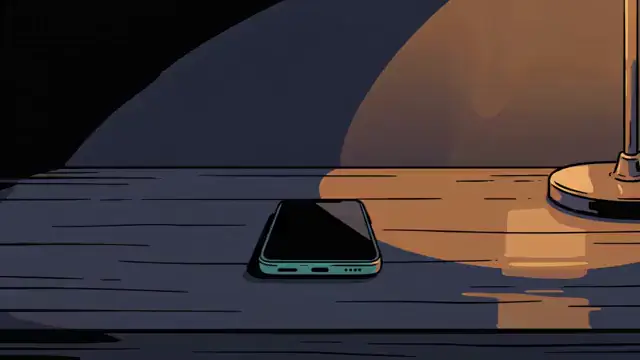 Phone recordsPulls the calls and messages of everyone who was there.
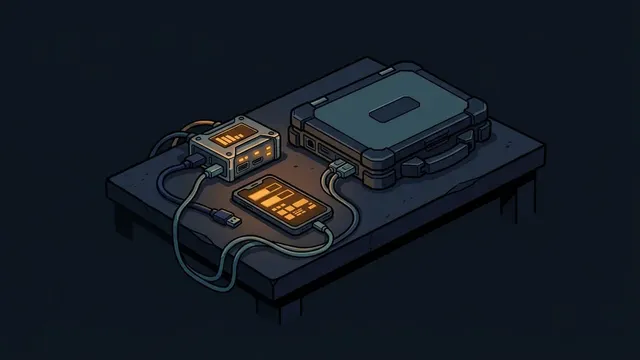 Digital forensicsUnlocks a seized phone or laptop and recovers deleted messages.
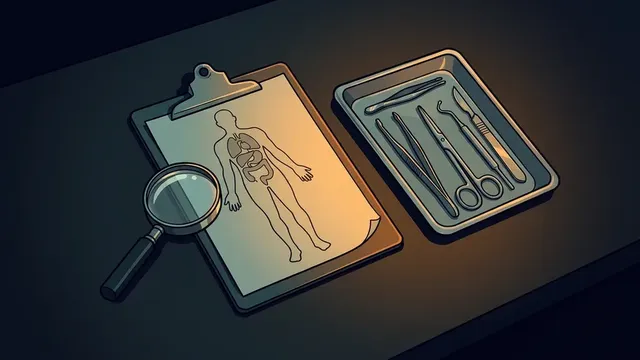 Medical examiner's reportReads the medical examiner's chart for marks the summary left out.
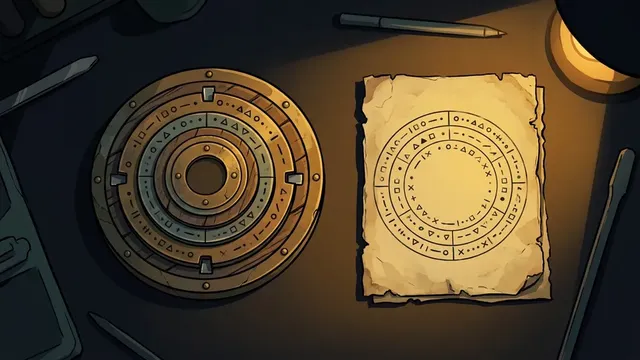 Translation or cipherTranslates or decodes a document in another language or in code.
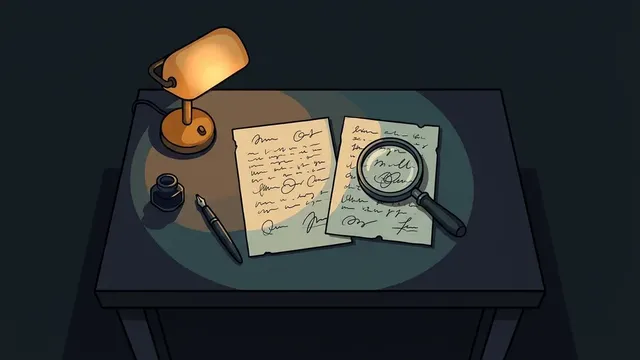 Handwriting analysisCompares the writing or signature on a document with a suspect's.
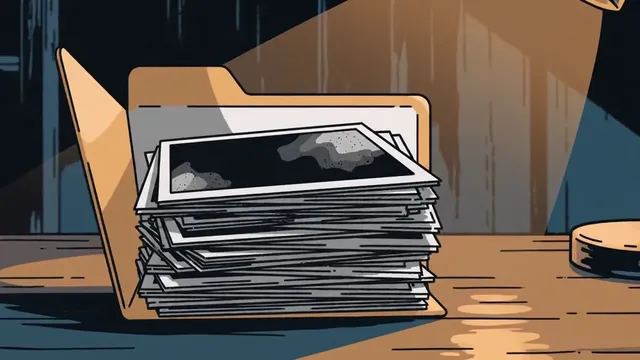 Scene photosOpens the folder with the crime scene photos.