
Phone records
Pulls the calls and messages of everyone who was there.
In the game
Phone records in Confessd pull up the calls and messages of people who were at the scene: who someone called after dinner, what message arrived shortly before the crime, which number kept calling all night. In a real investigation, the carrier's records and the contents of the device are cross-checked against the times in the statements. In the game, the card says whose phone is being examined, and what it holds is saved for the report.
The report is short and objective, stamped Positive, Negative or Inconclusive. A call at the wrong time can expose someone who swore they were asleep, and a deleted conversation can reveal a link between two suspects who pretended not to know each other. Whatever turns up becomes a fact in your Clues and unlocks or backs up a question. A record shows contact and timing, not guilt: the analysis gives you the argument, and the final evidence still comes out of the interrogation.
It costs 5 to 50 coins, depending on the case, and the purchase only lasts for the game in progress. In the same game, nothing is charged twice; in a new attempt after a loss, you pay again. Forensics don't use up questions, so the records can be the cheapest way to confirm a hunch before risking a decisive question. The report's clock only starts after the minigame: it comes out after a short wait, and you can rush it for 5 coins.
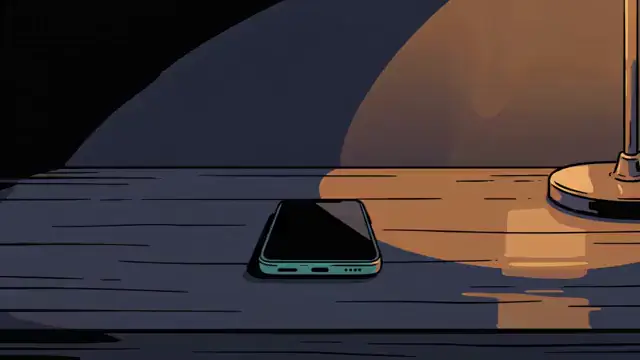
How the minigame works
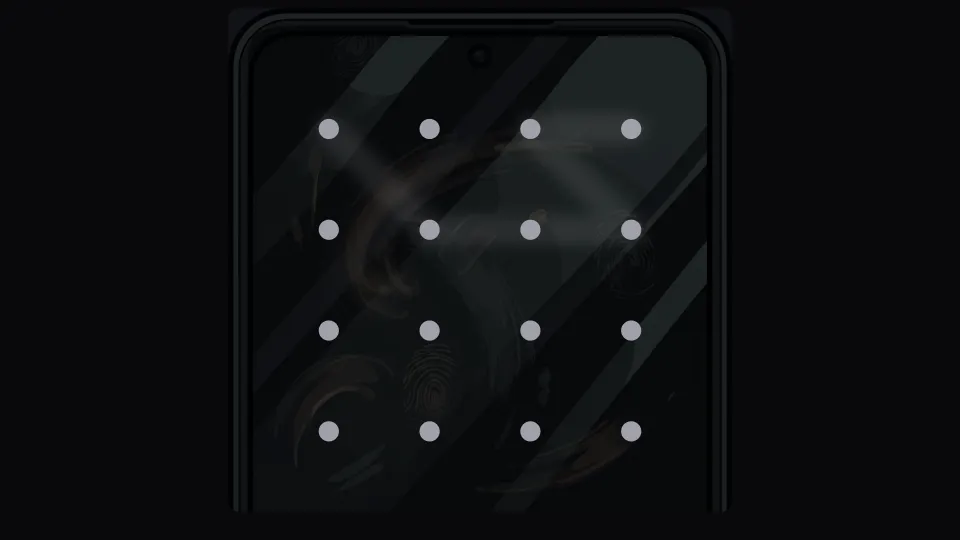
The phone appears locked, with the 16-dot grid of the unlock pattern. If you look closely, you can see a greasy trail on the screen left by the owner's finger.
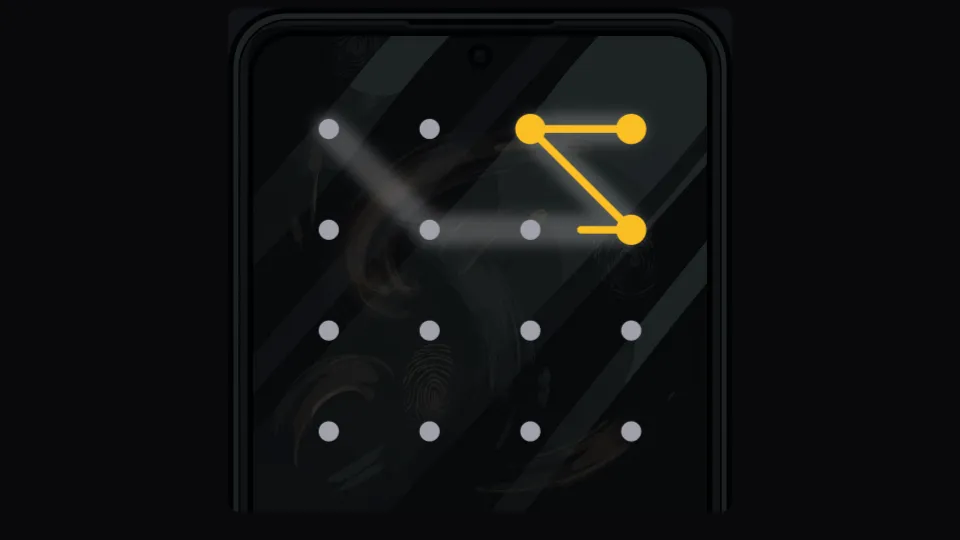
Follow the trail and draw the pattern in one go, dot by dot, without lifting your finger or mouse; going the path backwards also works. A wrong pattern shows "That's not it" and you try again. If you take too long, the trail becomes more visible and starts to pulse.
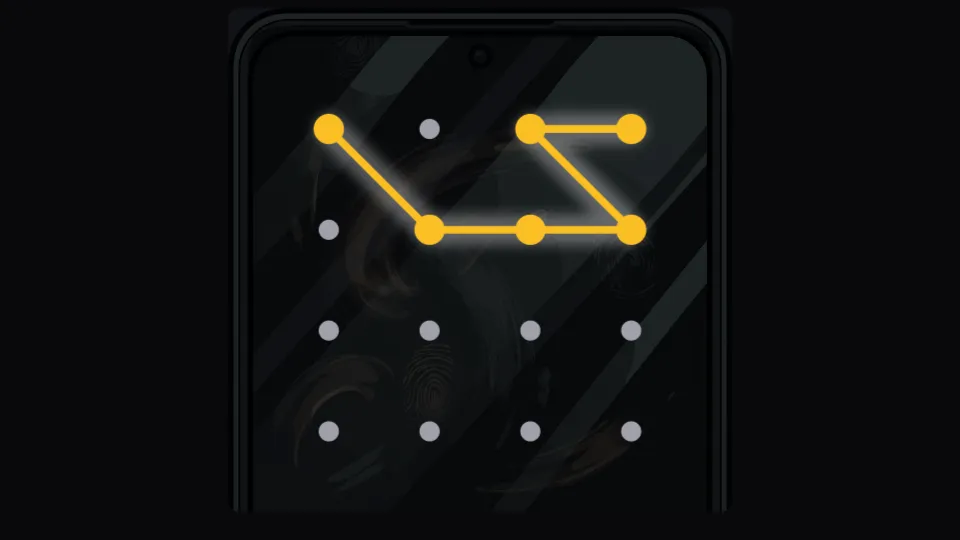
With the right pattern, the phone unlocks, the discovery sound plays and the phone records report opens.
Try it
Try the minigameIn real history
The time of a call can also bring down a sham: on British TV, paid calls were accepted after voting had closed, until the scandal came to light in 2007.
The British TV phone-in voting scandal

Other forensics
 FingerprintsReveals prints on objects and surfaces at the scene.
 DNA testMatches genetic material from the scene against each suspect.
 ToxicologyLooks for poisons, medicines and other substances.
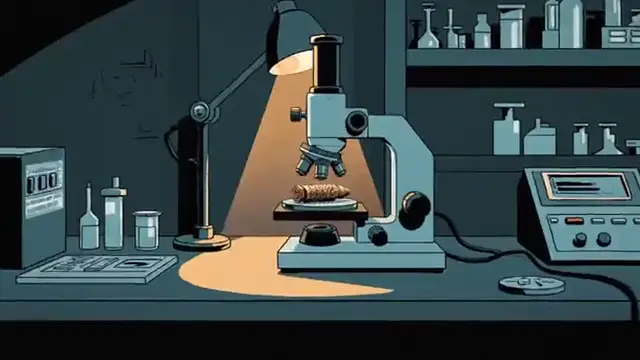 BallisticsLinks a bullet or a weapon to the shot.
 Search warrantCombs the scene for whatever was left behind.
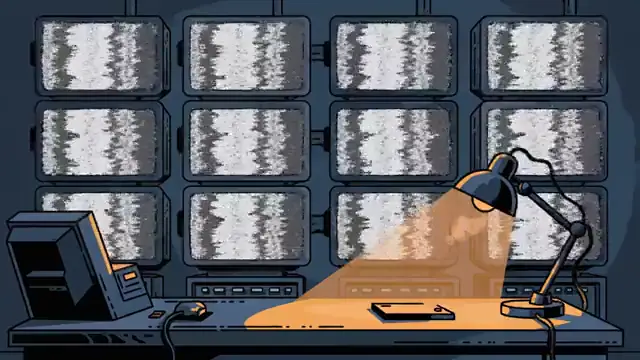 Security camerasReviews camera footage from the time of the crime.
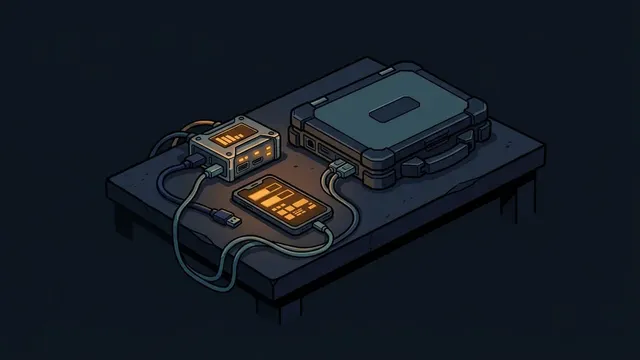 Digital forensicsUnlocks a seized phone or laptop and recovers deleted messages.
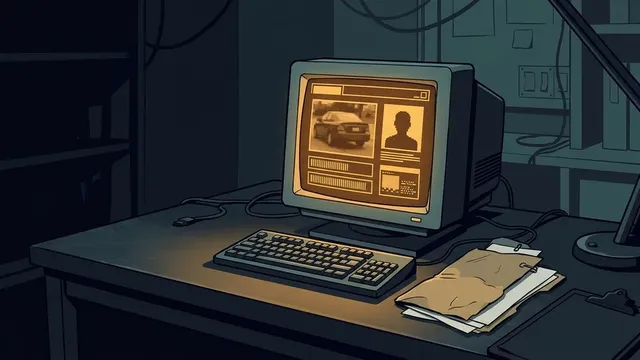 Records and platesPulls someone's record or the owner of a license plate.
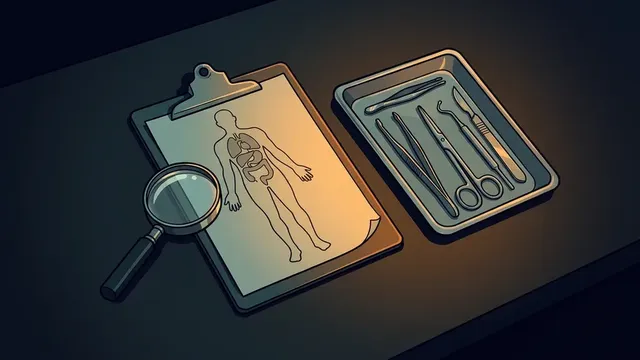 Medical examiner's reportReads the medical examiner's chart for marks the summary left out.
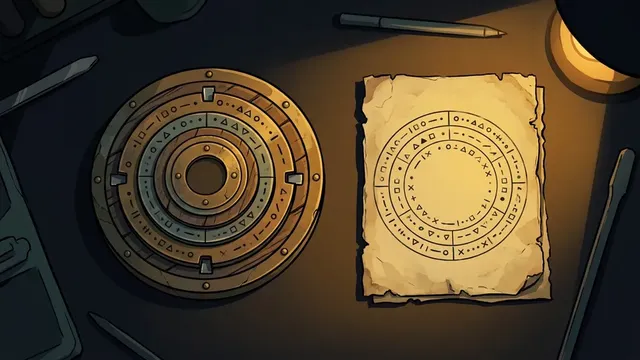 Translation or cipherTranslates or decodes a document in another language or in code.
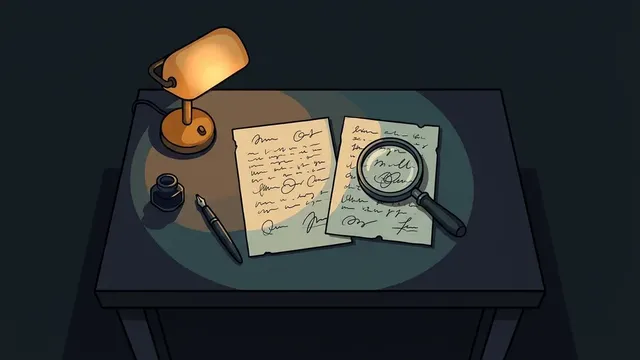 Handwriting analysisCompares the writing or signature on a document with a suspect's.
 Scene photosOpens the folder with the crime scene photos.