

Dusty Calhoun
Unemployed actor and waiter, reading room regular, 31
Dusty Calhoun is 31 and lives between casting calls and waiter shifts. Born in Knoxville, Tennessee, the son of a trucker and a choir singer, he came to California at 22 with one suitcase and the certainty that his face was destined for the big screen. He tells everything as if there were an audience, changes the story to suit whoever is listening and gives every anecdote the length of a monologue.
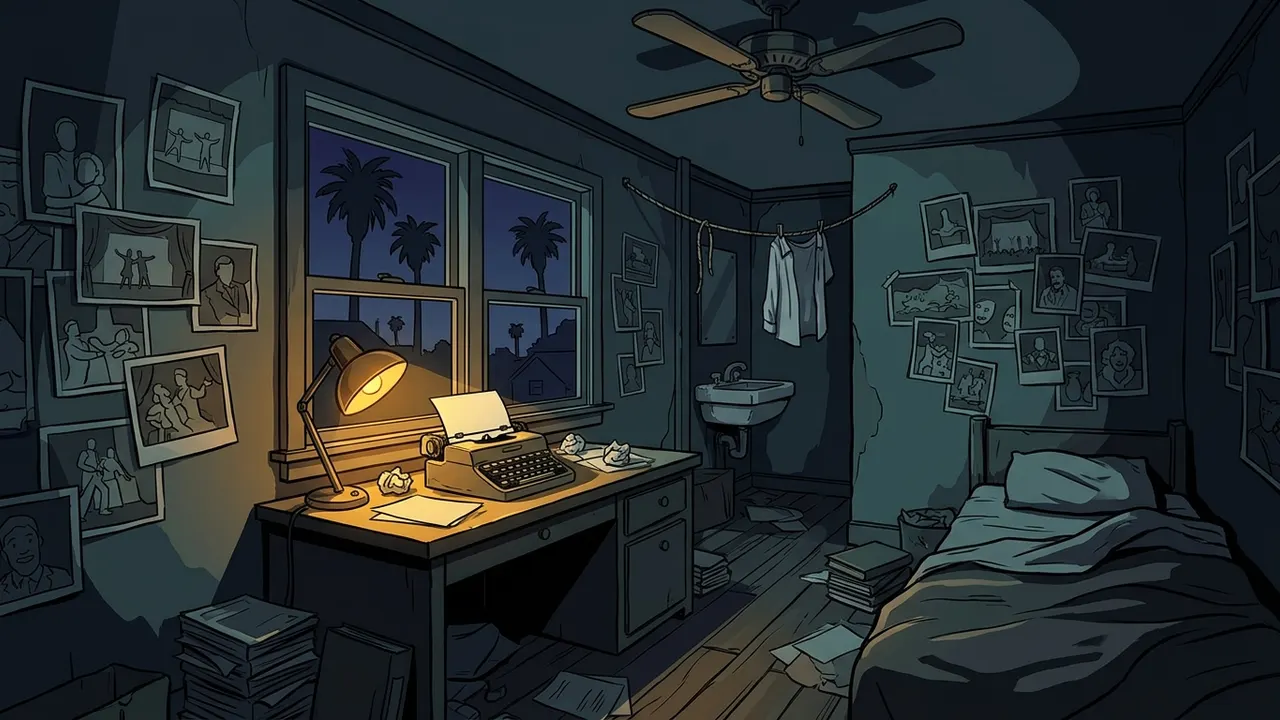
He lives in a rented room on the second floor of an old house near the boulevard, sharing the bathroom with a jazz singer and a student. The walls are covered with theater photos cut from magazines, there is a typewriter nobody uses, a slow-turning fan and a sink where he washes his work shirt every night. He pays the rent with tips, and tips depend on the mood of the customers, whom he treats like newspaper critics. At night he waits tables at an Italian restaurant and swears it's only an intermission.
He is thin and handsome in a tired way, with thick blond hair, a pompadour in front and long in back, a thin mustache and eyes that look for the camera. He wears a red leather jacket over a white T-shirt, light jeans and a rolled-up play script in his back pocket. He gestures a lot, laughs loudly and, when he feels watched, straightens his posture. He likes to be called an actor, and to be called that out loud.
About that morning, his account is that of a scholar: he has an audition on Friday for a Tennessee role, and a real actor studies the play in its original edition. The library's reading room is the only place in the city where nobody asks him to wait tables. He says that when the alarm rang he left by the staff stairs and that being asked this by someone who wants a face for the newspaper and picks the waiter's offends him. With the building full of service stairs and windowless iron corridors, nobody can say for certain where each person was at 10:52.
Dusty knows an unemployed actor with too many stories is the suspect the audience picks before the second act. When the detective calls him an arsonist after fame, he raises his voice, throws up his arms and says he nearly died in there. It could be the indignation of someone used as scenery. It could be someone who always stages indignation because he doesn't know how to speak any other way. The detective will have to decide which.
Cases unlock in order, like levels. This is case 153 of 200.
The case
The other suspects
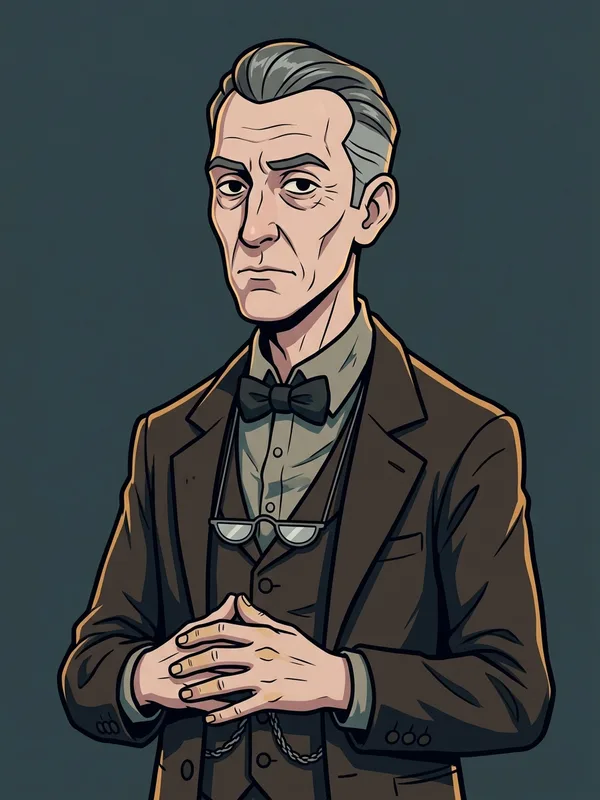 Ellsworth BrightmanHead of the rare books section at the Central Library, 58
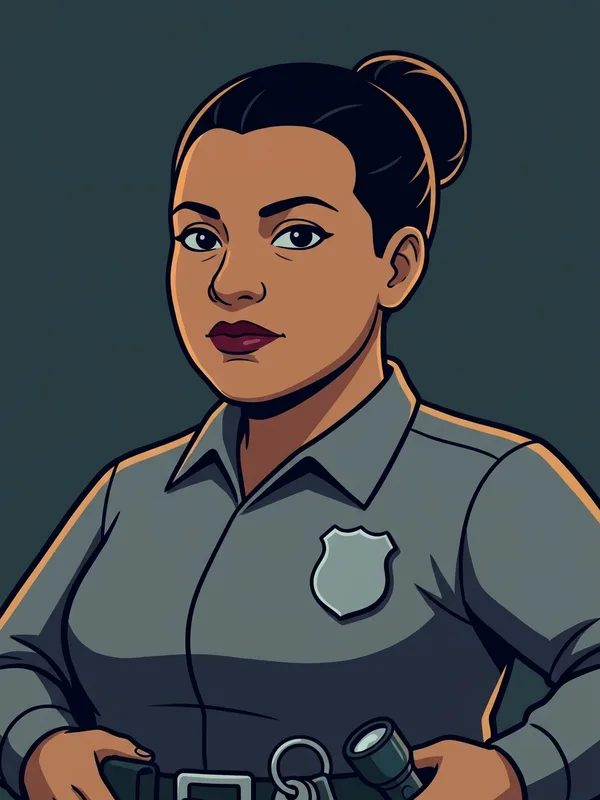 Rosalba QuiñonesGuard at the staff entrance and the basement vault, 44