

Barnaby Quint
Music hall baritone, 41
Barnaby Quint is 41 and for twenty-two years has earned his living with his own voice. He was born in Glasgow, the son of a docker and a washerwoman, joined a church choir at eight and a variety stage at eighteen. From there he moved to the baritone of comic songs, then to sentimental ballads, and today is the second name on any music hall bill that still has room for the first. He likes to say he never missed a night through hoarseness.
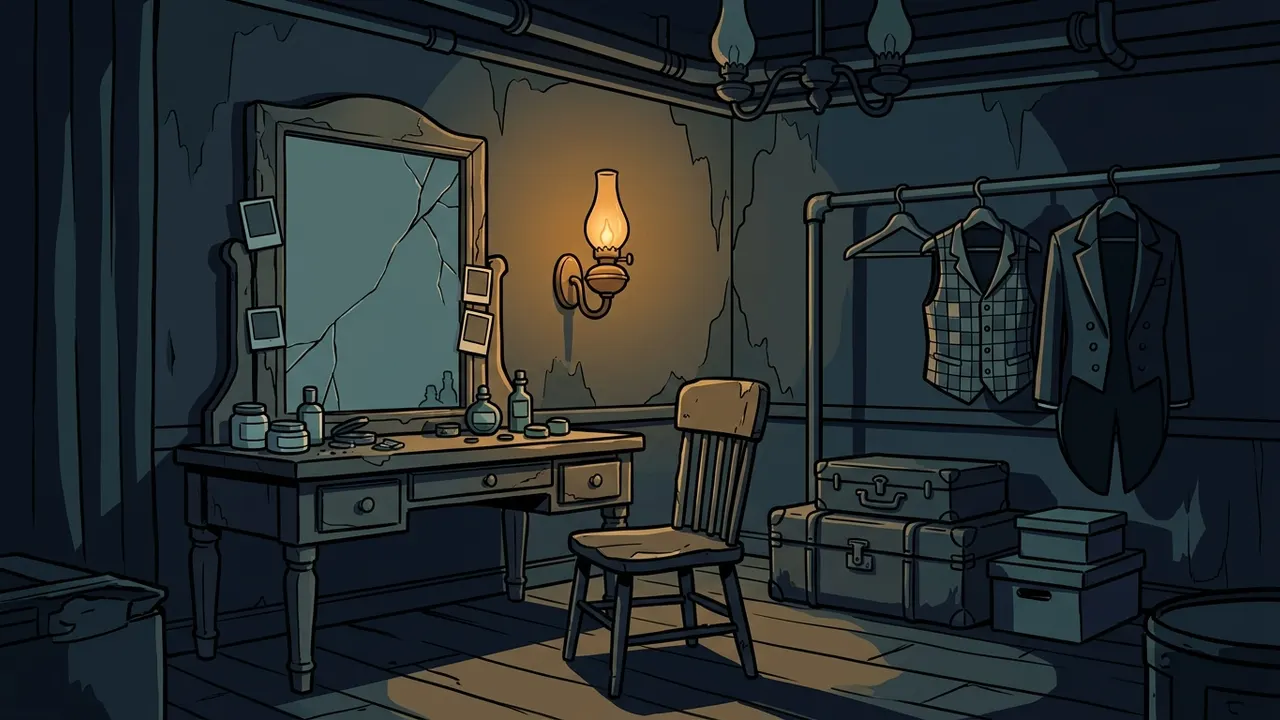
On the road, he lives in the dressing rooms of small theaters, with a dressing table with a cracked mirror, gas lamps on the ceiling, a hanger of waistcoats and tailcoats, pots of powder and brilliantine and photographs of old stages stuck to the mirror. He counts the coins after each night and spends them before daybreak. He eats late, drinks dark beer, calls waiters by their first names and tips excessively, because he says that someone who lives on applause must learn to give back.
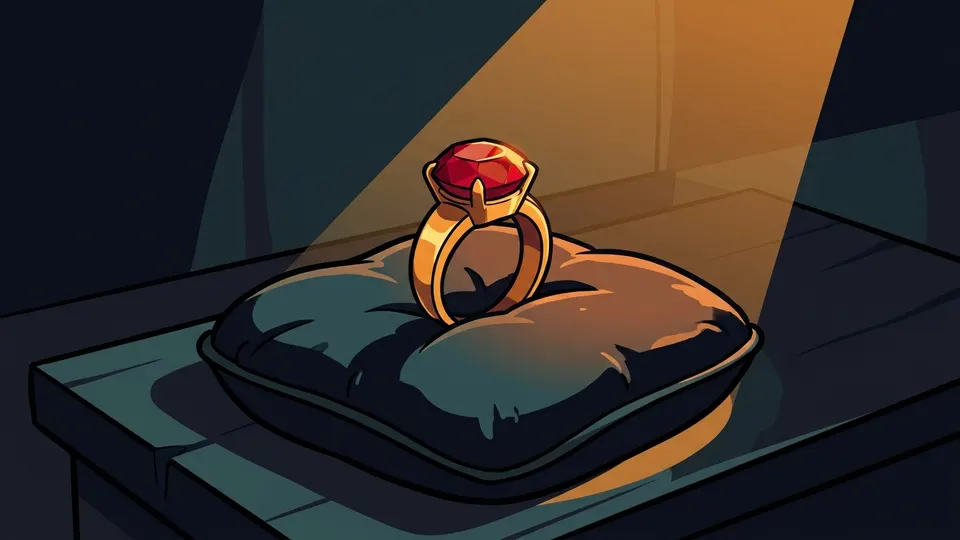
He is stout, with ruddy fair skin, a waxed red mustache with turned-up tips and red hair parted in the middle and tamed with brilliantine. He wears a showy checkered waistcoat with a gold watch chain and a jacket worn at the elbows, and on his little finger a ring with a fake stone that he shows to everyone as if it were an heirloom. He speaks in a stage voice, projected to the last row, and turns any question into an anecdote.
He says he is going to Canada to sing with an entire variety company, Montreal, Toronto and whatever else turns up, eight weeks on stage and full houses, God willing. He met Mildred Garside on the stage, they sang together for years, and he rented the upstairs room in their house until 1907. He remembers her as the owner of the best laugh in London and the worst husband. About the boy traveling with the doctor, he says bluntly that is his typist, with cropped hair and short trousers, and that half of London knows it.
Barnaby knows that a former lodger of the house, traveling on the same ship as the husband, is the kind of coincidence the newspapers love. When the detective corners him, the stage voice drops and he tells him to shout at the doctor, not at him. It may be the astonishment of an artist treated as a defendant without having done anything. It may be someone who knows that every anecdote is a way of changing the subject. The detective will have to decide which.

Cases unlock in order, like levels. This is case 133 of 200.
The case

The other suspects
 Rosalind KerrThe surgery's typist, 27
 Lionel GarsideAmerican homeopath, 48