

Margot Kell
Special effects make-up artist, 44
Margot Kell is 44 and makes faces for people who need another. She was born in Brixton, the daughter of a hairdresser and an electrician, and grew up between her mother's hair dryer and her father's fuse boxes, which she says taught her everything about patience and little about money. She studied theatrical make-up in London, worked twelve years in film studios and for five has had her own studio, in a cramped house in Soho, from which she turns down more commissions than she accepts.
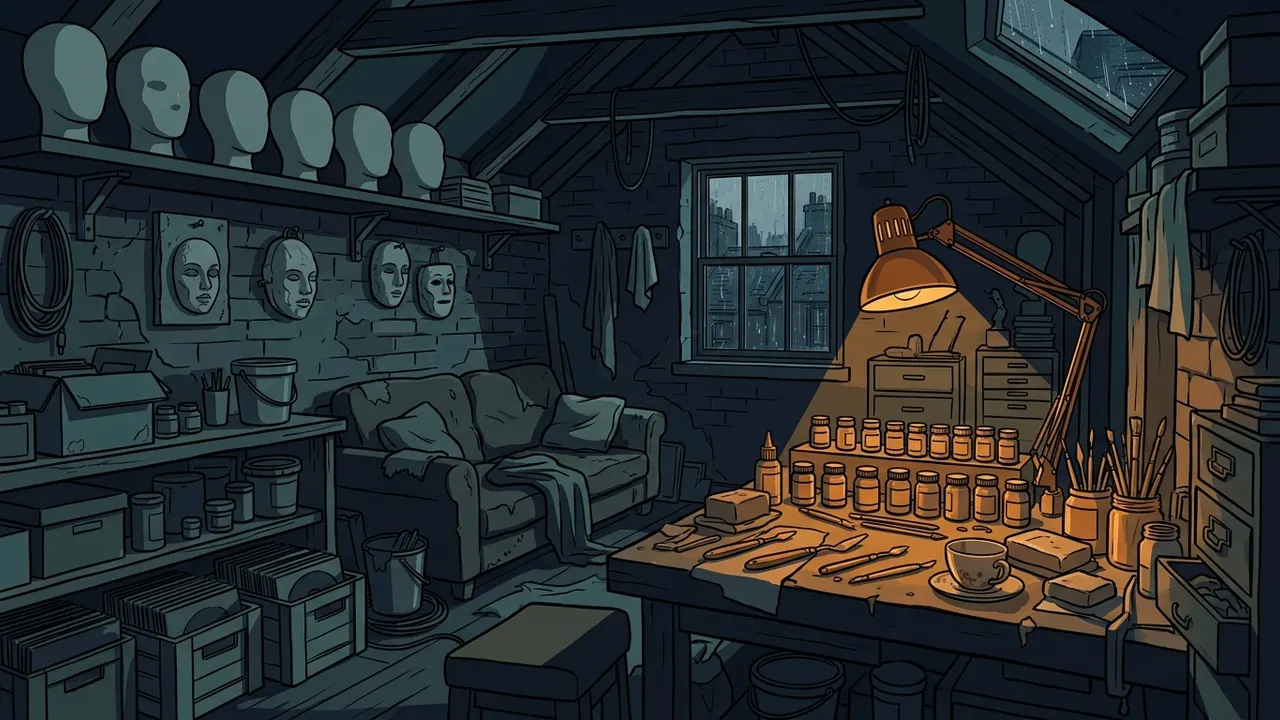
The studio occupies the first floor, above a record shop, and is at once workshop, kitchen and bedroom in the weeks of tight deadlines. There are foam heads in a row on a shelf, pots of pigment in color order, plaster molds hung on the wall and a sofa full of wig hair where she naps between one coat and the next. She lives in Camden, in an apartment she hardly sees. She drinks black tea without sugar all day and forgets every cup around the house.
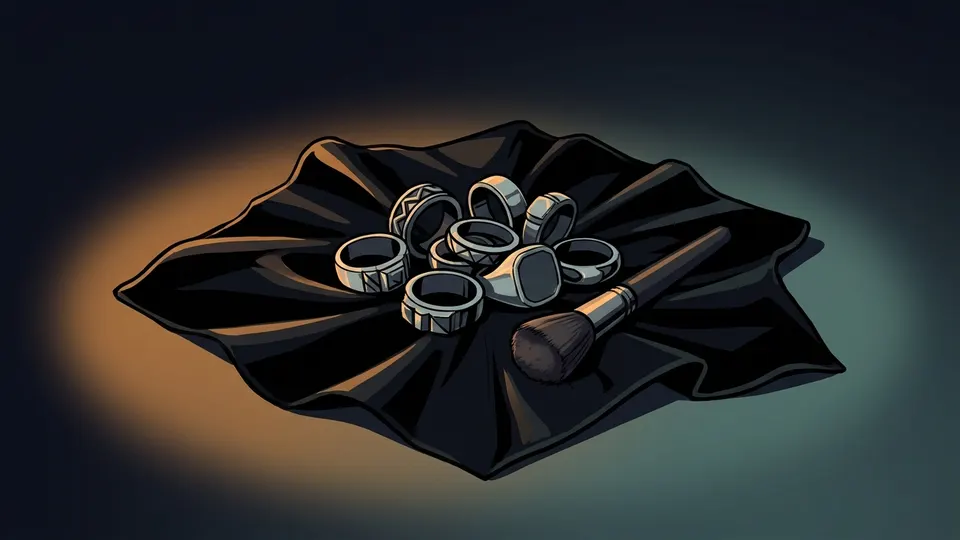
She has red hair in a loose bun with two brushes stuck in it, a face full of freckles and a bold black eyeliner she doesn't remove even to sleep. She wears a black work apron stained with skin-colored paint and silver rings on every finger, which clink against the pots when she gestures. She talks loud, laughs louder and treats her own art as sculpture: if anyone calls her work a costume, she stares at them for a long second before answering.
About the Thursday of the robbery, her account is a craftswoman's: from 8 a.m. to noon, two entire faces, with nose, chin, cheekbones, skin tone and wigs. The client booked by phone two days earlier, said it was for a music video and came to pay in cash at 1:15 p.m. Later, in the evening, she turned on the television, saw the news and turned it off. She says that order held nothing strange for someone who lives by masks, and that nobody asks the carpenter what the chair is for.
Margot knows that her work is exactly what makes a face impossible to recognize, and that this puts her in an uncomfortable place. When the detective asks if she would recognize the two without the make-up, she speaks quickly, fiddles with her rings and insists they were two ordinary men. It may be the frankness of an artist who did what she was asked. It may be someone who talks too much so as not to fall silent. The detective will have to decide which.

Cases unlock in order, like levels. This is case 122 of 200.
The case
The other suspects
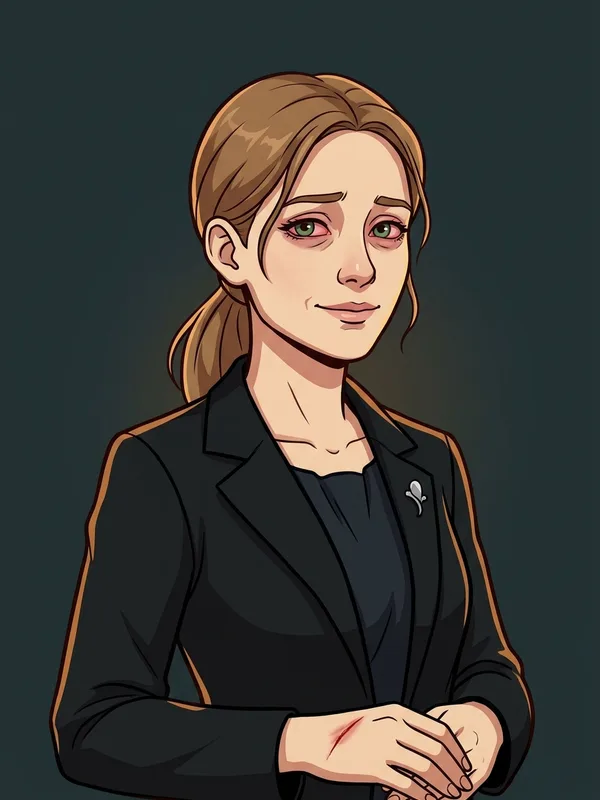 Nadia BrzeskaJewellery saleswoman, 29
 Leonard HaleJewellers' doorman, 52