

Odile Faller
Museum guard, 59
Odile Faller is 59 and for thirty years has guarded the rooms of the Museum of the Coopers' House in Colmar. She was born in Munster, in the valley, the daughter of a cheesemaker and a seamstress, and has never lived more than forty kilometers from the bed she was born in. She joined the museum as a cleaner at 29 and rose in function without ever rising in salary. She speaks of the collection as if she had inherited every painting from her parents and checks the corners of the frames with a fingertip, once an hour, eyes half closed.
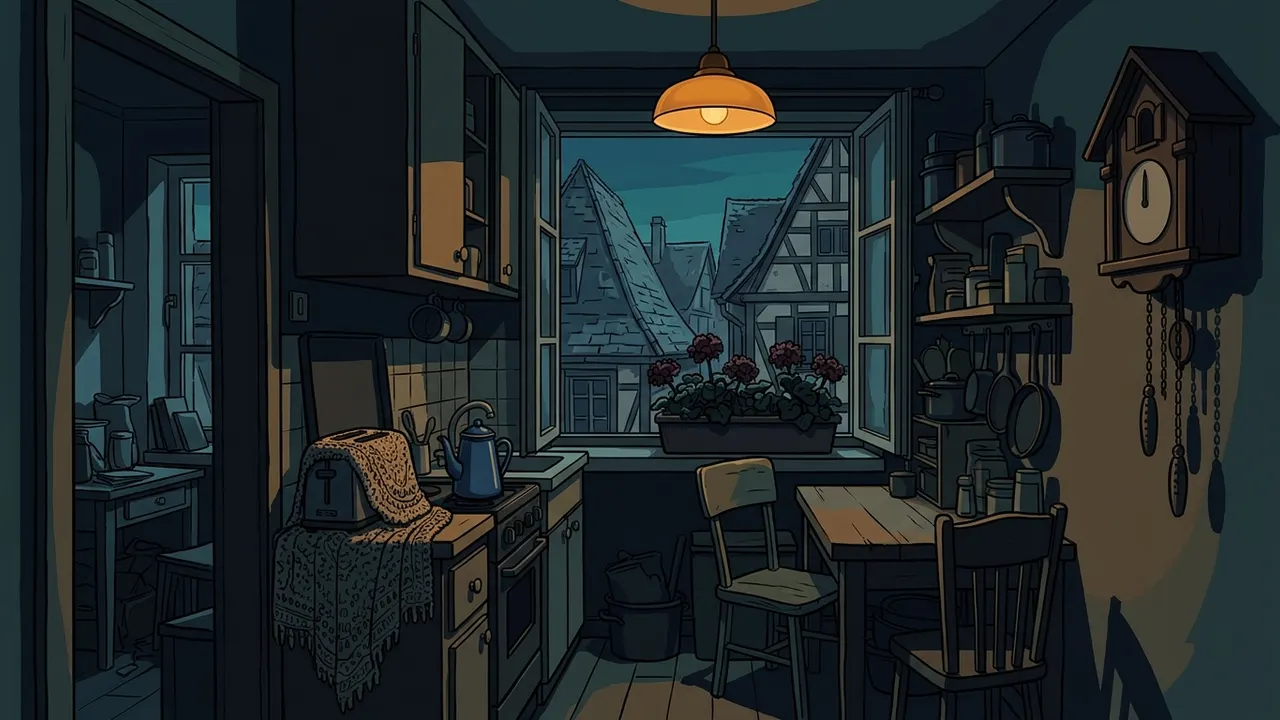
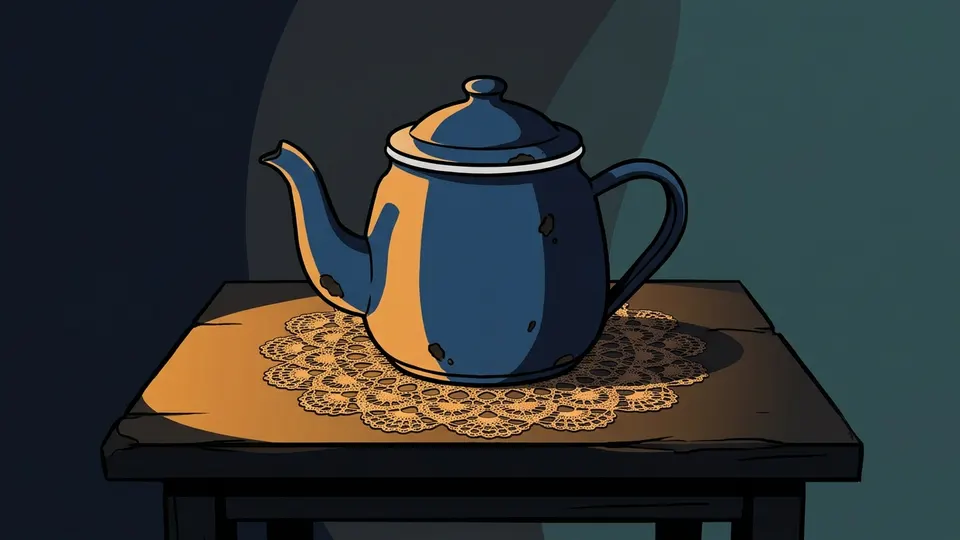
She lives in a two-room apartment above a bakery, ten minutes' walk from the museum, with a window onto the slate roof and a balcony of red geraniums that she waters every day at seven. The kitchen has a cuckoo clock that hasn't chimed since winter, a blue enamel pot and a crocheted cloth with which she covers even the toaster. On Sundays she makes tarte flambée for her widowed brother, who turns up unannounced and leaves without thanks. She has gotten used to it.
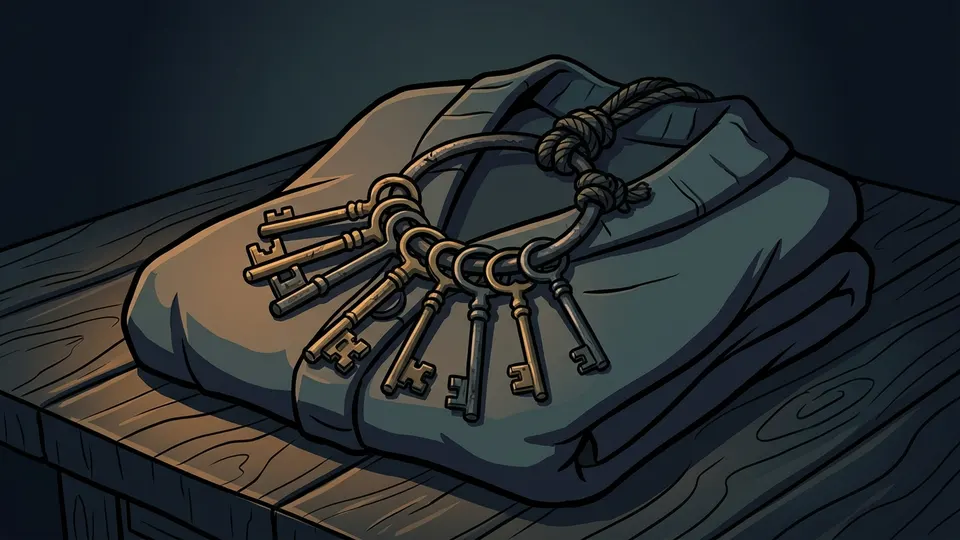
She has short, wavy gray hair, the rosy cheeks of someone who has spent her life in the cold and reading glasses balanced on the tip of her nose. She wears the navy-blue uniform with the polished gold badge, a gray cardigan over it even in June and a bunch of keys on a cord around her neck, which jingles when she walks and warns visitors that someone is watching. She is bossy without trying, speaks Alsatian when she is irritated and is truly offended when anyone doubts her vigilance.
About the Saturday of the robbery, her account fits in one sentence of pride: at lunchtime the museum is left with only her, the director arrives at two, the boy at the ticket desk lunches at home, and she does not leave the portrait room. She knows there is no camera in any room and that the entrance turnstile is the only electronic eye in the house. She says she saw everything there was to see and that what she did not see did not happen.
Odile knows that a guard who loses a painting is a guard who loses her job. When the detective doubts her vigilance, her voice rises a tone and she cites her thirty years of service and the municipal employees' union, in that order. It may be the wounded pride of someone who never let anything happen. It may be someone who prefers to argue about regulations than answer the question. The detective will have to decide which.
Cases unlock in order, like levels. This is case 121 of 200.
The case
The other suspects
 Julien ArbogastWaiter at the brasserie across from the museum, 31
 Clémence HaagAuthorized copyist at the museum, 26