

Otávio Lemos
Assistant curator of the museum, 41
Otávio Lemos is 41 and has been the museum's assistant curator for fifteen years. He was born in Campinas, the son of an agronomist and a librarian, and grew up among shelves, maps and manuals. He studied art history in São Paulo, worked at an antiques auction and returned to the museum to catalog the collection. He says he has spent his life describing walls that are not his, and that this should be enough for any man.
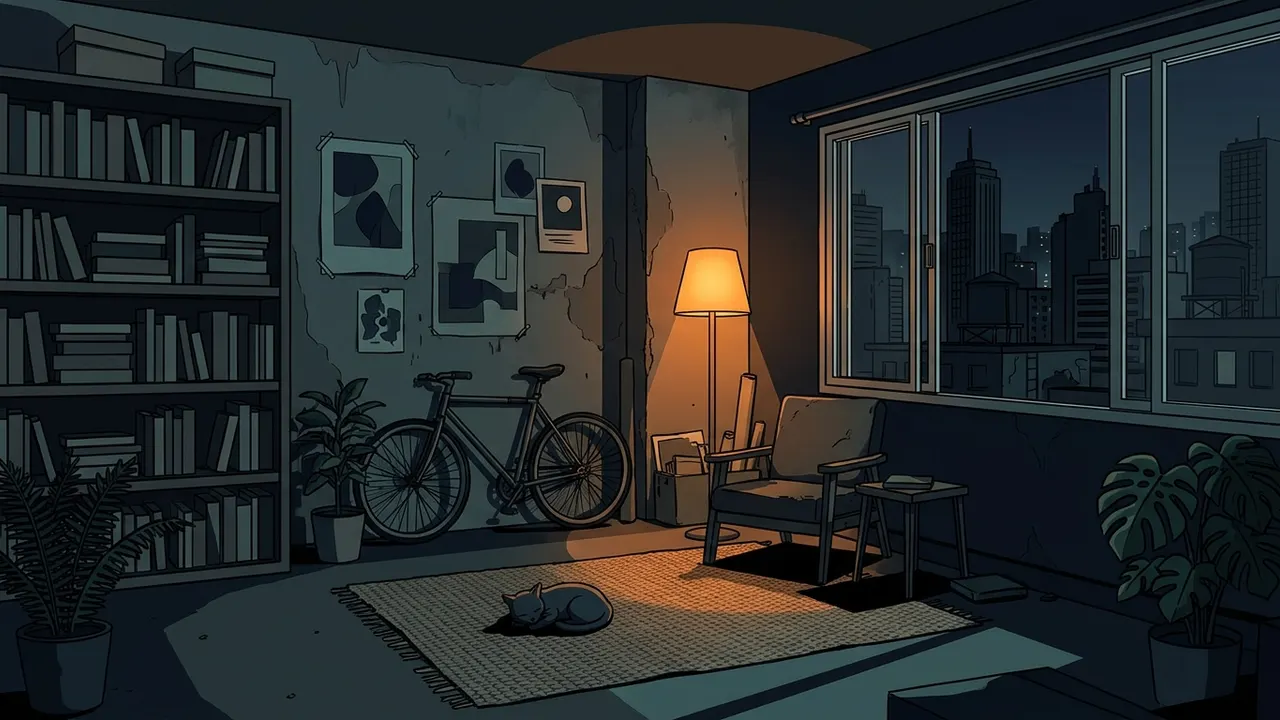
He lives in a small apartment in Vila Madalena, with a bookcase that rises to the ceiling, unframed prints by unknown artists and a sisal rug where the cat sleeps in the sun. The kitchen is the least-used room in the house, and the oven holds cardboard boxes of newspaper clippings. He cycles to work, arrives sweaty and changes his T-shirt in the museum restroom. He hates delays, queues and the smell of fresh paint.
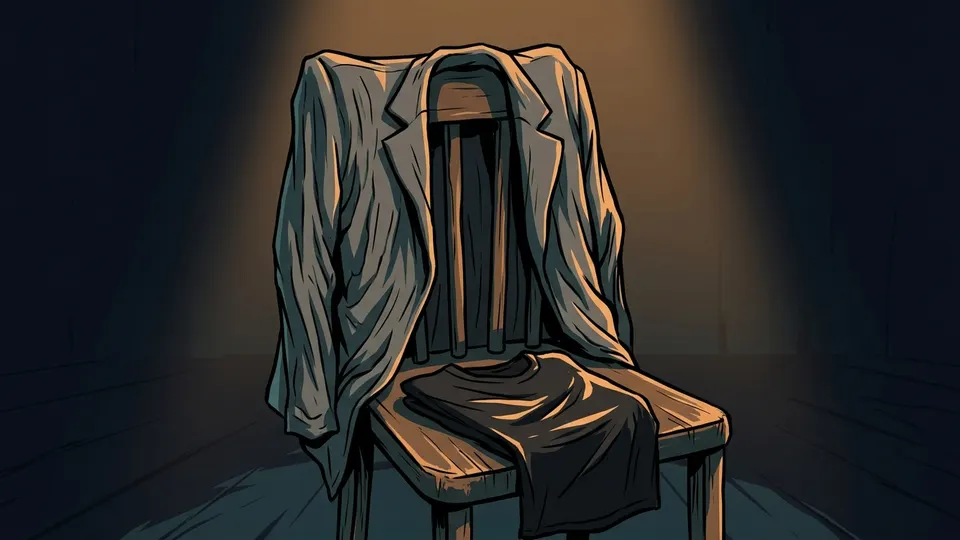
He has wavy, rather long brown hair, a well-trimmed beard and round tortoiseshell glasses that he adjusts when he is nervous, which is often. He wears a rumpled gray linen blazer over a black T-shirt and the museum badge hanging around his neck. He is cultured, anxious and talks fast, correcting others without meaning to. When he names a painter, he always insists on giving the year and the city as well.
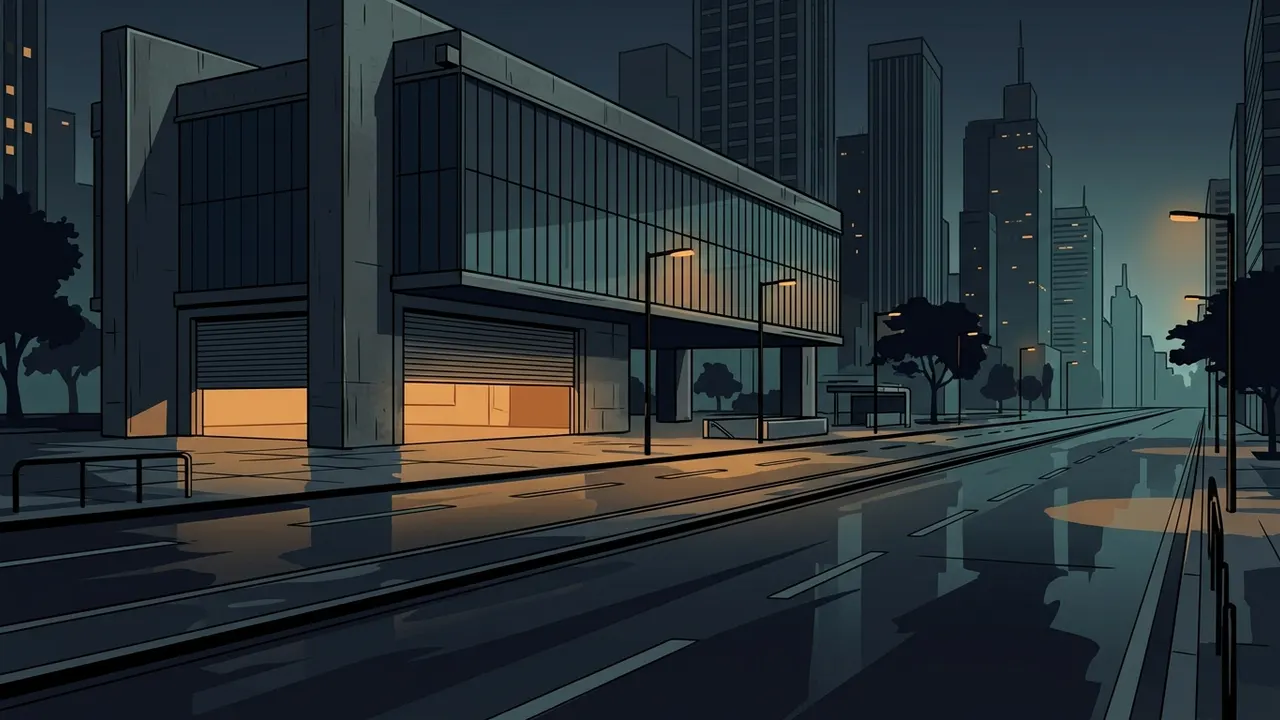
About the paintings, his account is that of someone who knows them by heart. He says on the market they are worth a fortune, but in practice they are worth nothing, because they are too well known and no serious buyer takes a canvas that has been on the front page of every newspaper. About the insurance, he explains that the annual premium costs more than the box office brings in and the board preferred to pray. He says the museum's power was cut two years ago for nonpayment. He describes precisely what the internal camera showed: three hooded men.
Otávio knows that an assistant curator knows the walls and the schedules like no one else. When the detective asks if he handed the floor plan to the thieves, his rhythm breaks: fifteen years cataloging those walls, he says, and does the detective think he would hand over his own life to three hooded thugs? It may be the indignation of a man of books offended by a crude accusation. It may be someone rushing to correct the detective before the next question comes. The detective will have to decide which.
Cases unlock in order, like levels. This is case 119 of 200.
The case
The other suspects
 Neusa PradoHead guard of the night shift, 54
 Cláudio RibeiroOutsourced maintenance metalworker, 44