
Walter Finch
Driver of the mail train, 58
Walter Finch is 58 and has driven trains since locomotives were still steam. He was born in a northern railway town, the son of a fireman, began at 15 cleaning ash out of the furnaces and rose to engine driver after the war. He refers to his locomotive by its number, the way one calls a horse by its name, and says the new diesel runs well but has no soul. He has worked the night mail line for eleven years.
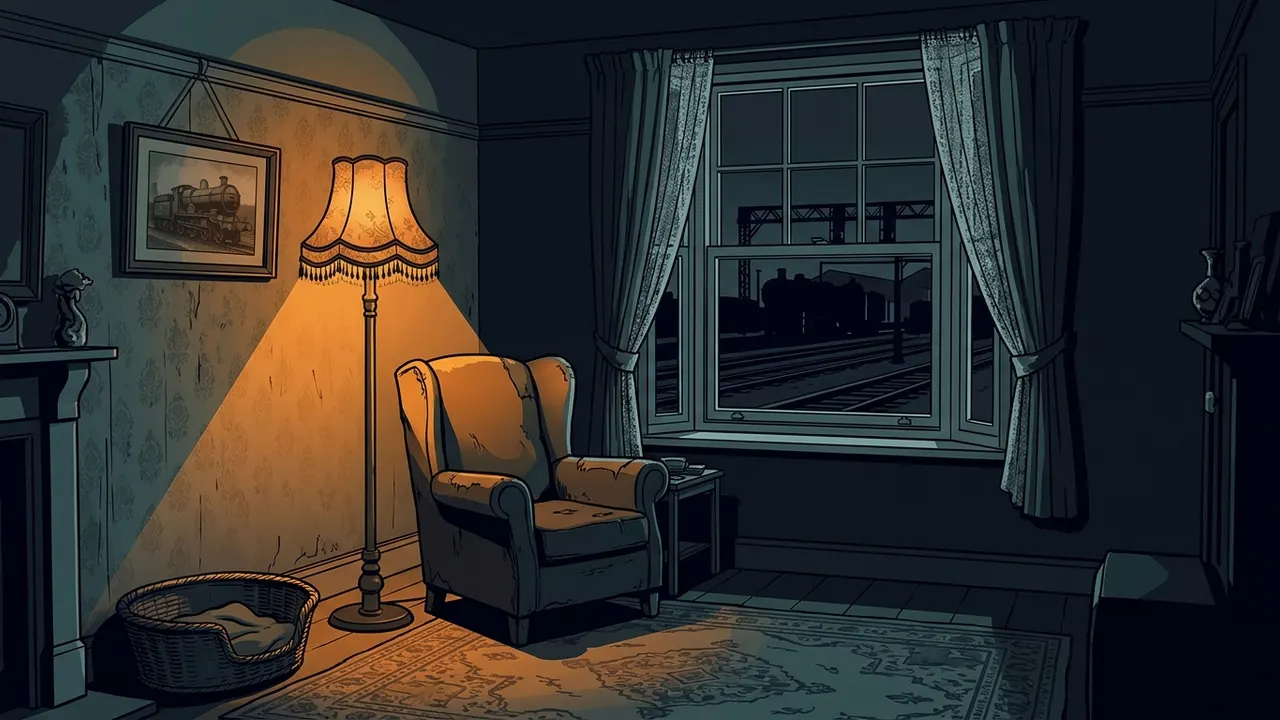
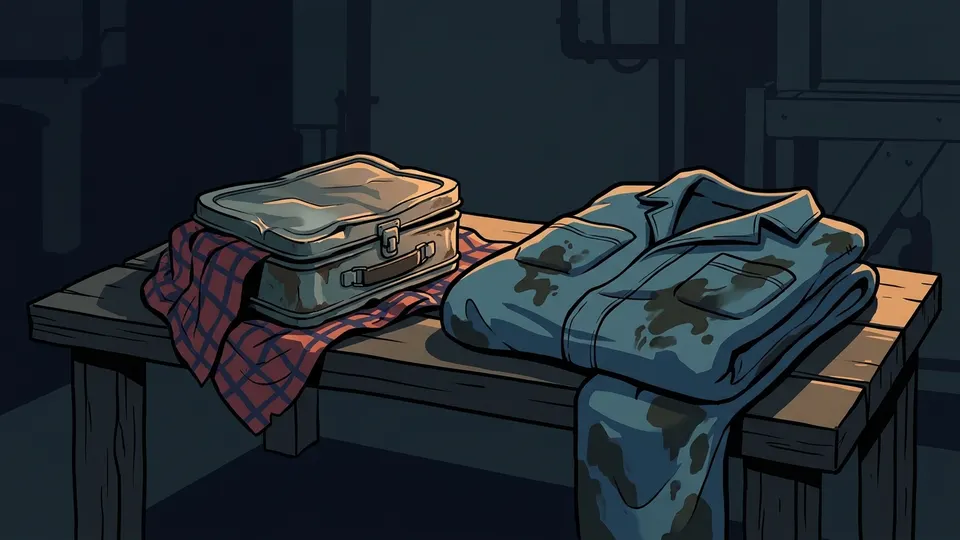
He lives in a dark brick semi-detached house near the locomotive depot, with his wife, an old cat and a back garden where he grows potatoes and runner beans. In the living room his armchair faces the window that looks onto the tracks, and on the wall hangs a single framed photograph of the first locomotive he drove. He sleeps by day, eats at night and carries his tin lunchbox wrapped in a checkered cloth.
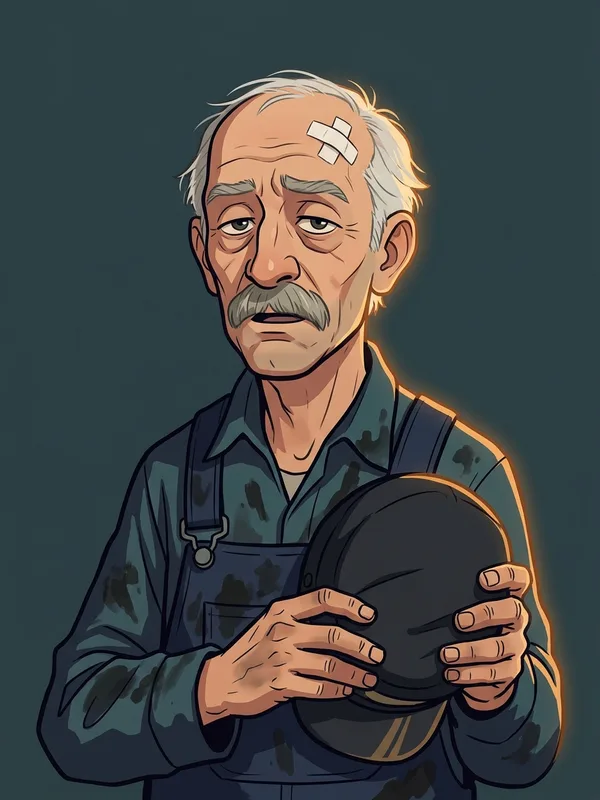
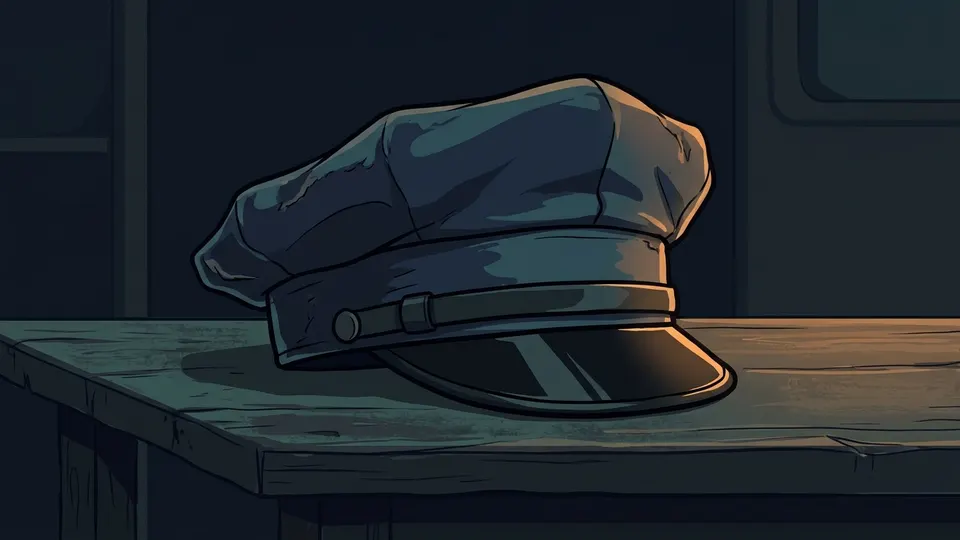
He has weathered fair skin, thin white hair and a gray mustache that he smooths when he is searching for a word. Since Thursday he has worn a white bandage on his forehead. He wears the blue railway overalls, stained with oil at the knees and cuffs, and holds his driver's cap in his hands the whole time, turning the peak. He is proud, slow to speak and takes offense when anyone doubts his courage.
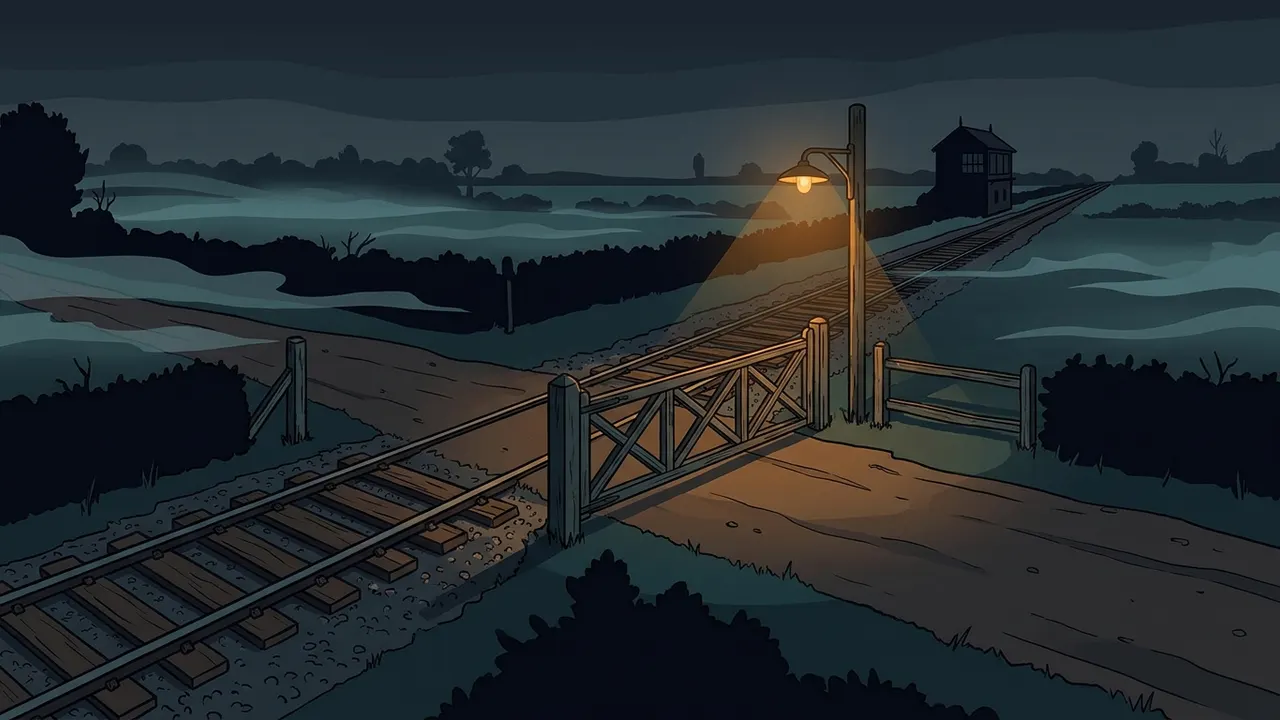
About the night of the robbery, his account is that of a man who followed the rules: he stopped because the Mill Crossing lens was red, and red is not up for debate. He sent his fireman to the trackside telephone, and the boy came back saying the wire was cut; by then it was too late. He says there were about fifteen men, in overalls and wool masks, who spoke little, like men who had rehearsed. About his head, he says it is seven stitches and a dizziness that won't go away, and that the doctor told him to lie down but he told the doctor to wait. With the countryside dark and the line deserted, no one can say for certain what each person saw that night.
Walter knows that the driver who stops a train in the middle of the countryside is the first one suspected. When the detective asks if he stopped because it was arranged with the thieves, he points to his split head and asks how a man who took an iron bar can be an accomplice. It may be the outrage of a man wounded at his own post. It may be someone who shows the bandage so as not to show something else. The detective will have to decide which.
Cases unlock in order, like levels. This is case 116 of 200.
The case
The other suspects
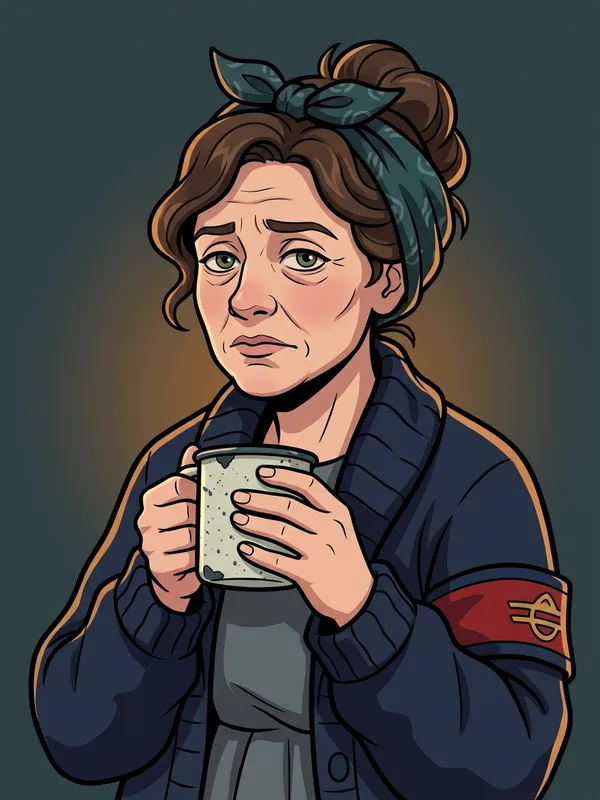 Agnes PollardSignal operator at the nearest signal box, 44
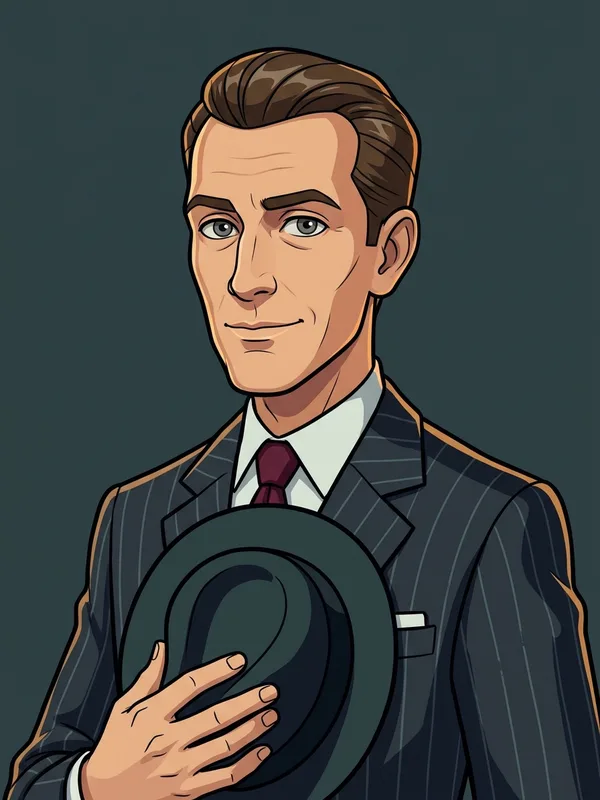 Clive HarrowPostal service security inspector, 49